Morocco Travel Guide: Moroccan Food Tourism, Traditional Dishes & Culinary Experiences
Morocco is not only a destination known for its stunning landscapes, historic cities, and rich culture, but also for its exceptional cuisine that attracts food lovers from around the world. Moroccan food tourism has become one of the fastest-growing travel experiences, offering visitors the opportunity to explore the country through its traditional dishes, street food culture, aromatic spices, and unique dining traditions.
Moroccan cuisine reflects centuries of cultural influence, combining Berber, Arab, Andalusian, and Mediterranean traditions to create rich flavors and diverse recipes. From slow-cooked tagines and traditional couscous to vibrant street food markets and authentic cooking classes, Morocco offers a complete culinary journey that connects travelers with local culture and heritage.
Food tourism in Morocco goes beyond simply tasting dishes. It allows visitors to experience local markets, learn traditional cooking techniques, and understand the social importance of food in Moroccan life. Whether exploring the busy streets of Marrakech, the cultural heritage of Fes, or the coastal flavors of Essaouira, travelers can discover authentic culinary experiences that make Morocco one of the world’s top gastronomic destinations.
In this guide, you will discover everything about Moroccan food tourism, including traditional dishes, street food experiences, best cities for food lovers, cooking classes, and practical tips for travelers seeking authentic Moroccan flavors.
What is Moroccan Food Tourism?
Moroccan food tourism is a unique and immersive way to explore Morocco through its culinary heritage. Unlike regular tourism, where travelers focus on sightseeing, food tourism emphasizes experiencing the country’s culture, history, and traditions through its cuisine. Morocco’s gastronomy reflects centuries of cultural exchange, influenced by Berber, Arab, Andalusian, Mediterranean, and French traditions. Every dish tells a story, from the selection of fresh, local ingredients to the traditional cooking methods passed down through generations.
Food tourism in Morocco includes a wide range of activities. Travelers can visit bustling local markets (souks) to discover vibrant spices, fresh produce, and specialty ingredients that define Moroccan flavors. Participating in cooking classes allows tourists to prepare traditional dishes such as tagine, couscous, pastilla, and Moroccan salads, while learning the secrets behind their unique flavors and techniques. Street food tours provide another layer of experience, where visitors taste authentic Moroccan snacks and observe daily life in cities and towns. Moreover, Moroccan food tourism offers cultural immersion, as meals are often shared with families and communities, reflecting Morocco’s strong values of hospitality, generosity, and social connection.
By engaging in Moroccan food tourism, travelers gain a deeper understanding of the country’s identity and traditions. Every spice, ingredient, and cooking technique provides insight into Morocco’s history and the diverse influences that have shaped its cuisine. This approach to travel transforms a simple meal into a cultural experience, making Morocco one of the most appealing destinations for culinary enthusiasts worldwide. Whether it’s exploring the markets of Marrakech, tasting street food in Fes, or joining a cooking class in a rural village, Moroccan food tourism ensures that every bite is an authentic taste of the country’s rich heritage.
Moroccan Street Food Experience
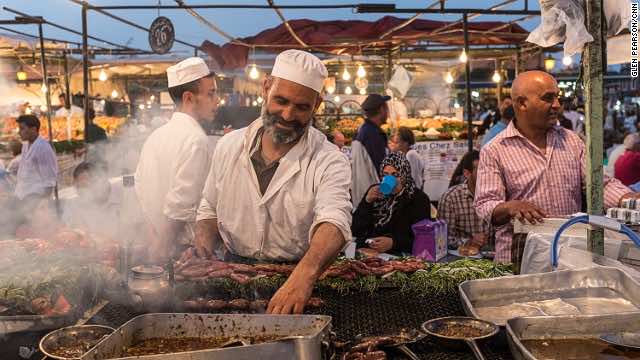
Moroccan street food is one of the most exciting aspects of food tourism in Morocco, offering travelers an authentic taste of local life, flavors, and culinary traditions. Unlike fine dining, street food allows visitors to experience everyday Moroccan meals, often prepared using time-honored techniques and fresh, local ingredients. Walking through the bustling streets of cities like Marrakech, Fes, and Casablanca, tourists are greeted by the aromas of sizzling meats, freshly baked bread, and spiced soups, creating a full sensory experience that goes beyond taste. Street food is not only delicious but also affordable, making it accessible for all types of travelers.
The variety of street food in Morocco is vast. Some of the most popular options include msemen, a flaky Moroccan pancake often filled with honey or cheese; maakouda, spiced potato fritters that are crispy on the outside and soft on the inside; bissara, a warm fava bean soup perfect for breakfast; and snail soup, known locally as Babouche, seasoned with herbs and spices. Grilled meats, called brochettes, are also a favorite, often cooked over open flames and served with fresh bread. Sweet treats like *chebakia, a honey-soaked sesame cookie, and ghriba, a type of shortbread, showcase the rich dessert culture in Morocco.
Street food is deeply tied to Moroccan culture, reflecting centuries of culinary heritage influenced by Berber, Arab, and Mediterranean traditions. Markets like Jemaa el-Fnaa in Marrakechare not just tourist attractions but living kitchens, where local chefs prepare meals in open-air stalls, demonstrating traditional techniques and cooking methods. In Fes, the streets of the Medina offer centuries-old recipes that have been passed down through generations, giving visitors a sense of historical continuity and authentic taste. Casablanca, as a modern metropolis, provides a mix of traditional street foods and contemporary flavors, often influenced by international cuisines.
Must-Try Moroccan Dishes
Moroccan cuisine is a perfect reflection of the country’s diverse culture, geography, and history. Each region offers unique flavors, ingredients, and cooking methods, making the experience of trying Moroccan dishes an essential part of any Morocco travel adventure. For food travelers, exploring these traditional dishes provides not only a taste of Morocco but also insight into the customs, hospitality, and social values that shape Moroccan life.
Tagine: Morocco’s Iconic Slow-Cooked Dish
Tagine is the most famous Moroccan dish, named after the traditional clay pot in which it is cooked. The dish combines meat, vegetables, and a variety of spices to create rich and aromatic flavors. Common types include chicken with preserved lemon and olives, lamb with prunes and almonds, and vegetable tagines for vegetarian travelers. The slow-cooking process ensures that flavors are deeply infused, and the meat becomes tender while maintaining moisture. Tagine represents Moroccan culinary philosophy combining aromatic spices, fresh ingredients, and careful preparation to create a balanced and flavorful meal. Travelers can try tagines in both traditional family kitchens and local restaurants, or even learn to make them in Moroccan cooking classes.
Couscous: A Cultural Symbol
Couscous is another staple of Moroccan cuisine, often considered the national dish. Traditionally served on Fridays after prayer, couscous consists of steamed semolina grains topped with vegetables, chickpeas, and meat. There are many variations, including vegetable couscous, chicken couscous, and couscous, which combines different meats and sometimes dried fruits. The preparation of couscous is a ritual that reflects Moroccan values of family, sharing, and hospitality. For tourists, joining a cooking session to prepare couscous offers insight into Moroccan culinary traditions and a hands-on cultural experience.
Pastilla: The Sweet and Savory Pie
Pastilla, is a traditional Moroccan pie that perfectly balances sweet and savory flavors. Made with thin layers of pastry, pigeon or chicken, almonds, cinnamon, and powdered sugar, pastilla is often served during special occasions and celebrations. The dish has Andalusian origins and is a symbol of Morocco’s rich history of cultural exchange. Pastilla showcases the Moroccan talent for combining textures and flavors in a unique and delicious way, making it a must-try dish for travelers seeking authentic experiences.
Harira: Morocco’s Comfort Soup
Harira is a traditional Moroccan soup made with tomatoes, lentils, chickpeas, meat, and a mix of herbs and spices. It is particularly popular during Ramadan, when it is served to break the fast at sunset. Harira is both nutritious and flavorful, offering a warm and comforting experience for visitors. Many food tours include Harira tasting sessions, allowing travelers to understand its significance in Moroccan daily life and religious practices.
Moroccan Mint Tea: A Symbol of Hospitality
Moroccan mint tea is more than just a beverage; it is an important part of the country’s culture and social etiquette. Made with green tea, fresh mint leaves, and sugar, the tea is poured from a height to create a frothy top, which is considered a sign of skill and respect. Offering mint tea is a traditional gesture of hospitality and is a staple in homes, restaurants, and social gatherings. For travelers, learning to prepare and serve Moroccan mint tea is an essential part of the food tourism experience.
Best Cities in Morocco for Food Tourism
Fes: Morocco’s Culinary Capital
Fes is widely considered the culinary heart of Morocco. The city is home to centuries-old recipes and traditional cooking techniques that have been preserved through generations. Its medina, , is filled with narrow alleyways leading to bustling markets where spices, fresh produce, and specialty ingredients are sold. Visitors can taste classic dishes such as pastilla, harira soup, and Fassi-style couscous, which reflect the city’s rich Andalusian influence. Fes is also famous for its sweet pastries and traditional Moroccan breads, offering food tourists a full sensory experience. Culinary tours in Fes often include cooking classes, market visits, and tastings that allow travelers to immerse themselves in local food culture.
Marrakech: A Vibrant Food Destination
Marrakech is one of Morocco’s most visited cities, known for its vibrant atmosphere, colorful markets, and lively food scene. The famous Jemaa el-Fnaa square is a hub for street food, where travelers can try dishes like grilled brochettes, snail soup (Babouche), and spiced lamb kebabs. Marrakech combines traditional Moroccan cuisine with modern dining experiences, offering both street food and fine dining options. Cooking classes, riad dining experiences, and guided food tours provide visitors with hands-on experiences in preparing tagines, Moroccan salads, and pastries. Marrakech is also a great starting point for culinary day trips to nearby regions, allowing travelers to explore rural food traditions and farm-to-table experiences.
Coastal Cities: Essaouira, Agadir, and Tangier
Morocco’s coastal cities offer a completely different flavor experience, with fresh seafood being the star of the cuisine. Essaouira, a charming Atlantic port city, is famous for its grilled fish, octopus dishes, and seafood tajines. Visitors can enjoy freshly caught fish straight from the harbor, often prepared with Moroccan spices and olive oil. Agadir offers modern seafood restaurants along its beachfront, blending traditional recipes with contemporary presentation. Tangier, located near the Mediterranean, provides a mix of Spanish, French, and Moroccan influences, with dishes such as seafood pastilla and grilled sardines. Exploring coastal cities gives travelers a taste of Morocco’s maritime culinary traditions, highlighting the diversity and richness of the country’s gastronomy.
Visiting multiple cities in Morocco allows food tourists to discover regional specialties, learn about local ingredients, and experience how history, geography, and culture shape Moroccan cuisine. Each city offers a unique culinary identity, making food tourism in Morocco an unforgettable adventure that goes beyond mere tasting it is a journey through the country’s heritage, traditions, and hospitality.
Moroccan Spices and Ingredients
Moroccan cuisine is renowned worldwide for its rich flavors, aromatic spices, and vibrant ingredients, which form the heart of the country’s culinary identity. The secret behind the distinctive taste of Moroccan dishes lies in the careful balance and combination of spices, fresh herbs, and local produce. Traveling through Morocco, food enthusiasts are immediately struck by the colorful spice markets, or souks, where mountains of saffron, cumin, paprika, cinnamon, turmeric, and the famous Ras el Hanout blend create a sensory explosion of aroma, texture, and color.
Ras el Hanout is a unique Moroccan spice blend often containing over a dozen spices, including cardamom, nutmeg, ginger, and turmeric. Each blend is different, crafted by local spice vendors to achieve a harmonious balance of flavors. This spice mix is commonly used in tagines, couscous, and stews, giving Moroccan dishes their signature taste and complexity. Other essential spices include saffron, used for both color and flavor in tagines and desserts, and cinnamon, which adds warmth to both savory and sweet dishes.
Fresh ingredients also play a critical role in Moroccan cuisine. Olive oil, preserved lemons, fresh herbs like cilantro and parsley, dried fruits such as prunes and apricots, and a variety of legumes, including chickpeas and lentils, form the foundation of most traditional meals. Moroccan chefs and home cooks alike emphasize using seasonal and locally sourced ingredients, which adds authenticity and depth to the flavors.
Visiting spice markets in cities like Marrakech, Fes, and Essaouira is a highlight for food tourists. These markets allow travelers to witness centuries-old trade traditions, smell exotic aromas, and even purchase spices to recreate Moroccan dishes at home. Learning about Moroccan spices also enhances the culinary experience, giving travelers insight into the cultural significance of ingredients and how they contribute to the country’s culinary heritage.
Understanding Moroccan spices and ingredients is essential for any food tourism experience. They not only define the flavors of the dishes but also tell a story of Morocco’s rich history, trade routes, and cultural influences. From the bustling spice souks to the fresh ingredients in rural kitchens, Moroccan cuisine reflects the harmony between nature, tradition, and culture, making it a truly unique experience for travelers.
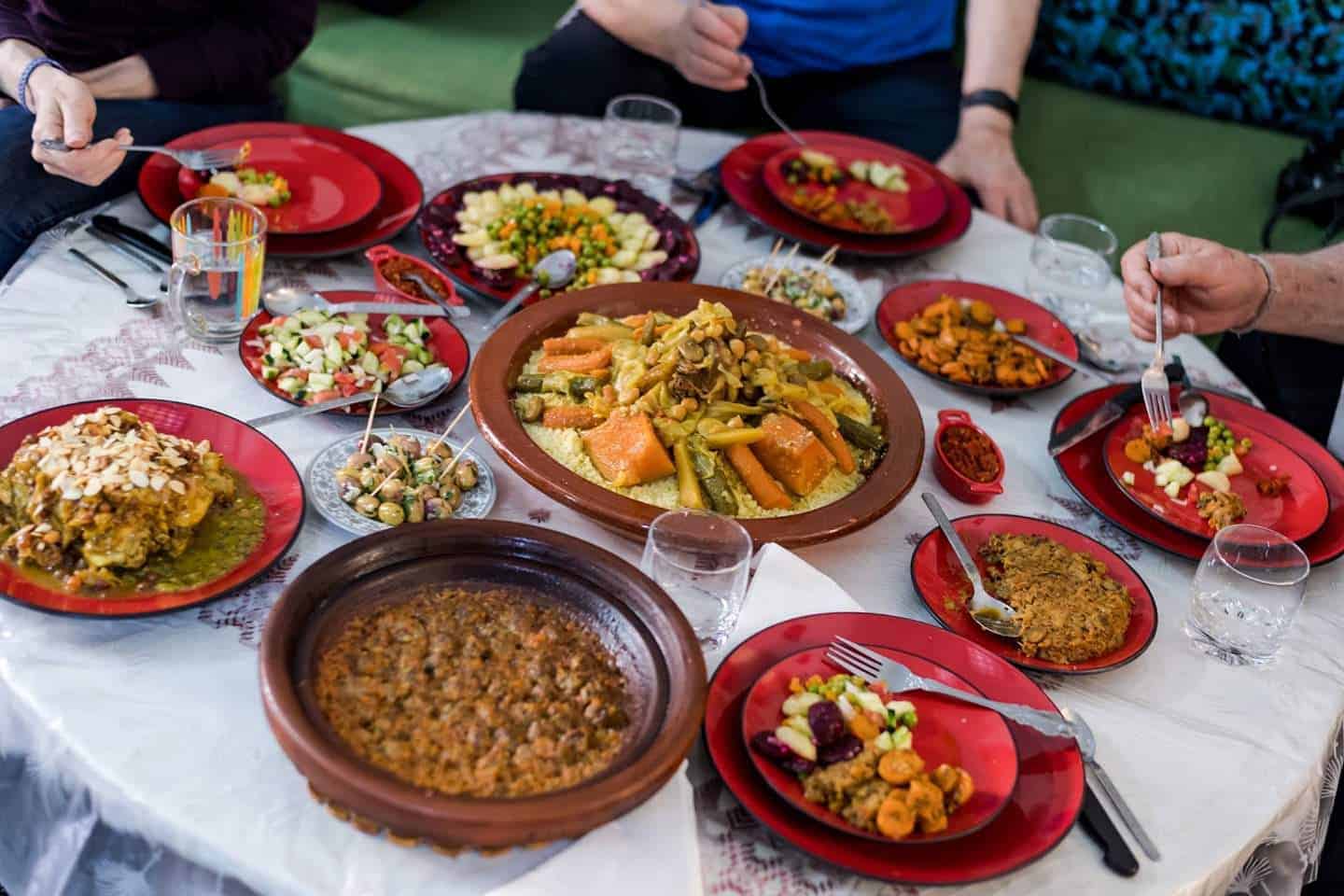
Moroccan food tourism offers travelers a unique window into the heart of Morocco’s culture, history, and traditions through its rich and diverse cuisine. From the bustling souks of Marrakech and Fes to the coastal flavors of Essaouira and Tangier, Morocco provides a complete culinary journey that goes beyond just tasting dishes. Every meal tells a story — whether it’s the slow-cooked tagines, the aromatic couscous, the sweet and savory pastilla, or the refreshing mint tea — all reflect centuries of cultural exchange and local traditions.
Engaging in Moroccan food tourism allows travelers to explore the country in a deeply immersive way. Visitors can taste regional specialties, learn traditional cooking methods through hands-on classes, and experience local dining culture that emphasizes hospitality, sharing, and social connection. Street food tours, market explorations, and cooking workshops provide authentic and memorable experiences that make Morocco one of the world’s top destinations for culinary travelers.
Moreover, Moroccan cuisine highlights the country’s agricultural diversity, the richness of its spices, and the creativity of its chefs, both professional and home cooks. Every dish is a reflection of Morocco’s heritage, blending flavors, textures, and aromas that excite the senses and create lasting memories. For travelers seeking cultural immersion, Moroccan food tourism is not just a journey through taste but a journey into the country’s soul, connecting visitors with people, history, and traditions in meaningful ways.
Ready to taste the magic of Morocco? Explore the bustling markets, savor traditional dishes, join cooking classes, and discover the flavors that make Morocco a culinary paradise. Start planning your Moroccan food tourism adventure today and experience a journey you will never forget!