
Moroccan Castles and Palaces: History, Architecture, and Cultural Heritage
Morocco is a land of history, culture, and architectural marvels, and few places capture this blend better than its castles and palaces. These remarkable structures, ranging from fortified kasbahs to opulent royal palaces, tell the story of Morocco’s rich past, its dynasties, and the skilled artisans who brought these buildings to life.
From the sun-baked walls of desert fortresses to the intricate carvings and mosaics of city palaces, Morocco’s castles and palaces showcase a unique blend of Berber, Arab, and Andalusian influences. Each site holds a story—whether of strategic defense, royal grandeur, or cultural significance—that allows travelers to step back in time and experience the splendor of Moroccan heritage.
Visiting these historic sites offers more than just sightseeing. It is an opportunity to explore the artistry, traditions, and lifestyles of the past, all while enjoying some of the most breathtaking views in the country. Whether you are a history enthusiast, architecture lover, or cultural traveler, Morocco’s castles and palaces provide unforgettable experiences that connect you directly to the country’s heritage.
The Historical Importance of Moroccan Castles
Moroccan castles, also known as kasbahs or fortresses, have played a crucial role in shaping the country’s history. They were not merely defensive structures; they were centers of governance, trade, and culture, reflecting the strategic and political importance of their locations.
From the rugged Atlas Mountains to the desert edges of the Sahara, these castles were often built on elevated terrain to protect against invasions and to control trade routes. Over centuries, they have witnessed battles, political changes, and the rise and fall of dynasties, leaving behind an enduring legacy that continues to attract historians and travelers alike.
Origins and Early Fortifications
The origins of Moroccan castles date back to the early Berber civilizations. These first fortifications were simple, using locally available materials like mud-brick and stone to create defensive walls around villages or strategic locations.
Over time, as trade routes expanded and cities developed, more sophisticated kasbahs were constructed. They served as homes for local rulers, military bases, and safe havens for surrounding communities. The architecture evolved with influences from Arab, Andalusian, and later European styles, incorporating towers, gates, and intricate decorative elements.
Role of Castles in Moroccan History
Throughout history, Moroccan castles have been at the center of political and military activity. They were used by local rulers to establish authority over territories and protect valuable resources. Many kasbahs also functioned as administrative centers, where governors collected taxes, resolved disputes, and organized local governance.
The castles’ strategic positions often made them crucial during conflicts. For example, castles along the Atlas and Rif Mountains acted as defensive strongholds against invaders and played key roles in historic battles, securing trade routes and protecting local populations.
Famous Battles and Historical Events
Several Moroccan castles have witnessed historic events that shaped the nation:
Kasbah of Ait Benhaddou: A vital defense point along caravan routes, it resisted attacks and controlled the movement of goods across the region.
Kasbah of Telouet: Served as the stronghold of the Glaoui family, who played significant roles in Moroccan politics during the early 20th century.
El Jadida Portuguese Fortress: A symbol of European influence in Morocco, it was central to conflicts between Portuguese forces and local rulers.
Architecture and Design of Moroccan Palaces
Moroccan palaces are masterpieces of architecture and artistry, showcasing the country’s rich heritage and the influence of Berber, Arab, and Andalusian cultures. Each palace is not only a residence but also a symbol of power, elegance, and refined taste, reflecting centuries of Moroccan craftsmanship.
The design of these palaces balances functionality, aesthetics, and cultural symbolism, with every element—from the layout of the courtyards to the intricate mosaics—serving a purpose and telling a story. Visitors often find themselves mesmerized by the combination of geometric patterns, carved wood, and lush gardens that define Moroccan palace architecture.
Traditional Moroccan Architectural Elements
Several features characterize traditional Moroccan palaces:
Courtyards (Riads): Open-air spaces that provide ventilation and a tranquil retreat, often surrounded by intricate arches and balconies.
Arches and Domes: Horseshoe arches, pointed arches, and domed ceilings are common, reflecting Islamic architectural influence.
Tadelakt Walls: Smooth plaster finishes used to create elegant, water-resistant interiors, often polished to a shiny surface.
These elements combine to create palaces that are not only functional but also visually stunning, with harmony between interior and exterior spaces.
Decoration, Zellige, and Carved Woodwork
Moroccan palaces are famous for their rich decorative arts:
Zellige (Mosaic Tiles): Intricate geometric tilework covering floors, walls, and fountains, showcasing skill and precision.
Carved Wood (Cedar and Thuya): Elaborate wooden ceilings, doors, and window frames, often featuring floral and geometric motifs.
Stucco and Plasterwork: Delicate patterns and inscriptions decorating walls and arches, reflecting both aesthetic and religious significance.
Every decorative element represents a blend of artistry and storytelling, making Moroccan palaces living galleries of traditional craftsmanship.
Gardens and Courtyards in Palaces
Gardens are integral to Moroccan palace design, serving both aesthetic and practical purposes:
Lush greenery and fountains: Provide shade and cooling in the hot climate.
Geometric layouts: Reflect balance, harmony, and symmetry, inspired by Andalusian garden design.
Social and ceremonial spaces: Courtyards often host gatherings, celebrations, and official receptions.
Famous Castles and Fortresses in Morocco
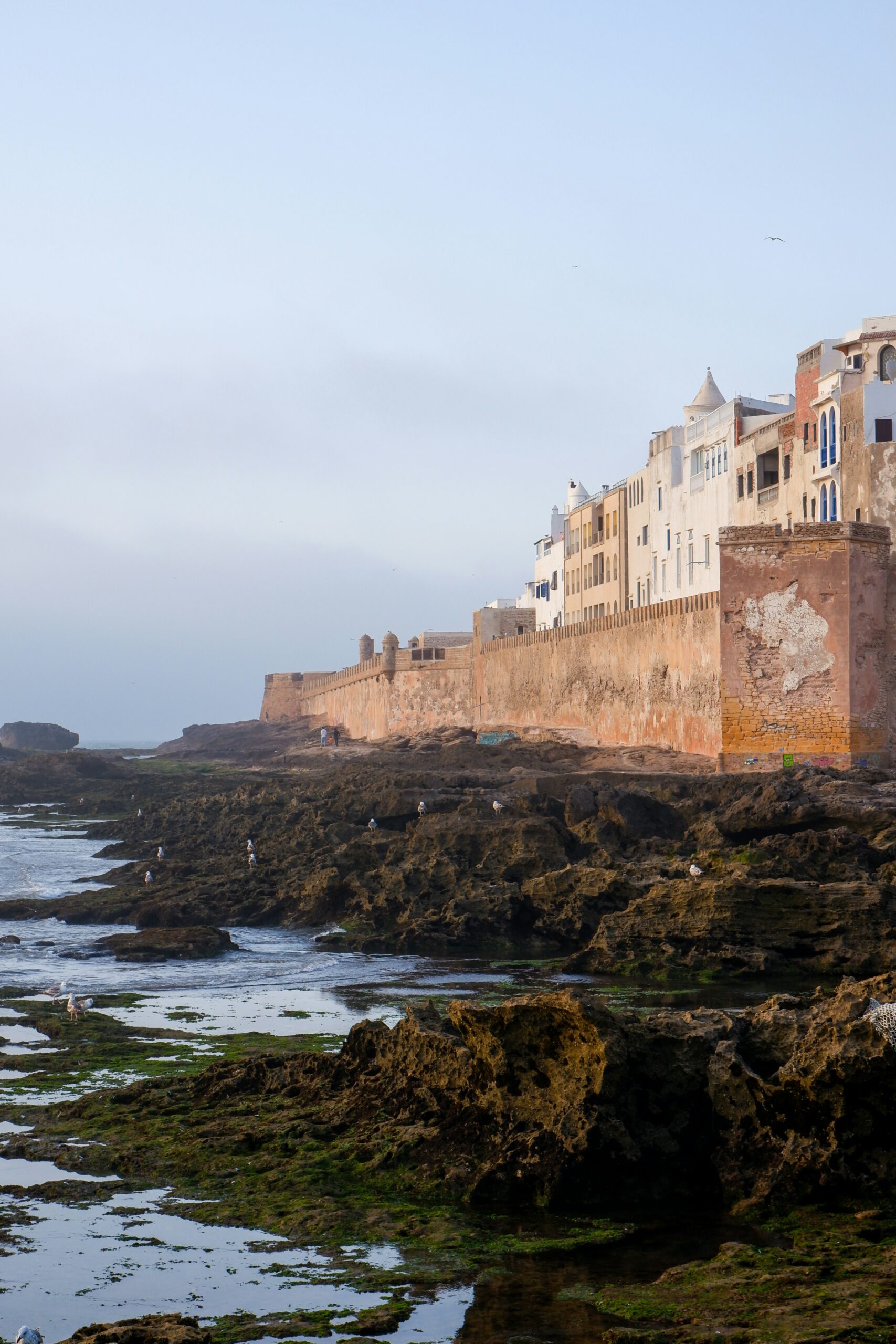
Morocco is home to numerous castles and fortresses, known locally as kasbahs, which reflect the country’s strategic, political, and cultural history. From desert strongholds to coastal fortresses, these structures are architectural marvels that attract historians, tourists, and filmmakers alike.
Kasbah of Ait Benhaddou
History and Significance
The Kasbah of Ait Benhaddou, a UNESCO World Heritage Site, is one of Morocco’s most iconic fortresses. Located along the former caravan route between the Sahara and Marrakech, it served as a key trade post and defensive stronghold.
Architecture and Design
Made from red clay bricks, Ait Benhaddou features towers, fortified walls, and narrow winding streets. Its earthen architecture blends seamlessly with the surrounding desert landscape, showcasing traditional Berber building techniques.
Cultural and Tourist Importance
Today, Ait Benhaddou is a major tourist destination and a popular filming location for movies and TV series, offering visitors a glimpse into Morocco’s historic desert life.
Kasbah of Telouet
Historical Background
Telouet Kasbah was the residence of the powerful Glaoui family, influential during the 19th and early 20th centuries. It played a significant role in Moroccan politics and regional governance.
Architectural Features
The kasbah is adorned with colorful zellige tiles, carved cedar wood, and ornate plasterwork, reflecting both Moroccan and Andalusian influences. Its grand halls and private rooms illustrate the luxury and power of its former occupants.
Tourism and Preservation
Visitors can explore the kasbah’s crumbling yet majestic interiors, learning about the history of the Glaoui dynasty and witnessing the impressive craftsmanship that has survived decades.
El Jadida Portuguese Fortress
Historical Context
Located in the coastal city of El Jadida, this fortress was built by the Portuguese in the early 16th century to defend against local and European threats. It is a rare example of European military architecture in Morocco.
Architectural Highlights
The fortress features high walls, bastions, and a cistern, showcasing both defensive design and adaptation to Moroccan climate and terrain.
Modern Significance
El Jadida Fortress is now a UNESCO World Heritage Site and a cultural attraction, hosting exhibitions, art events, and guided tours for visitors interested in Morocco’s colonial and maritime history.
Moulay Ismail’s Kasbah in Meknes
Historical Importance
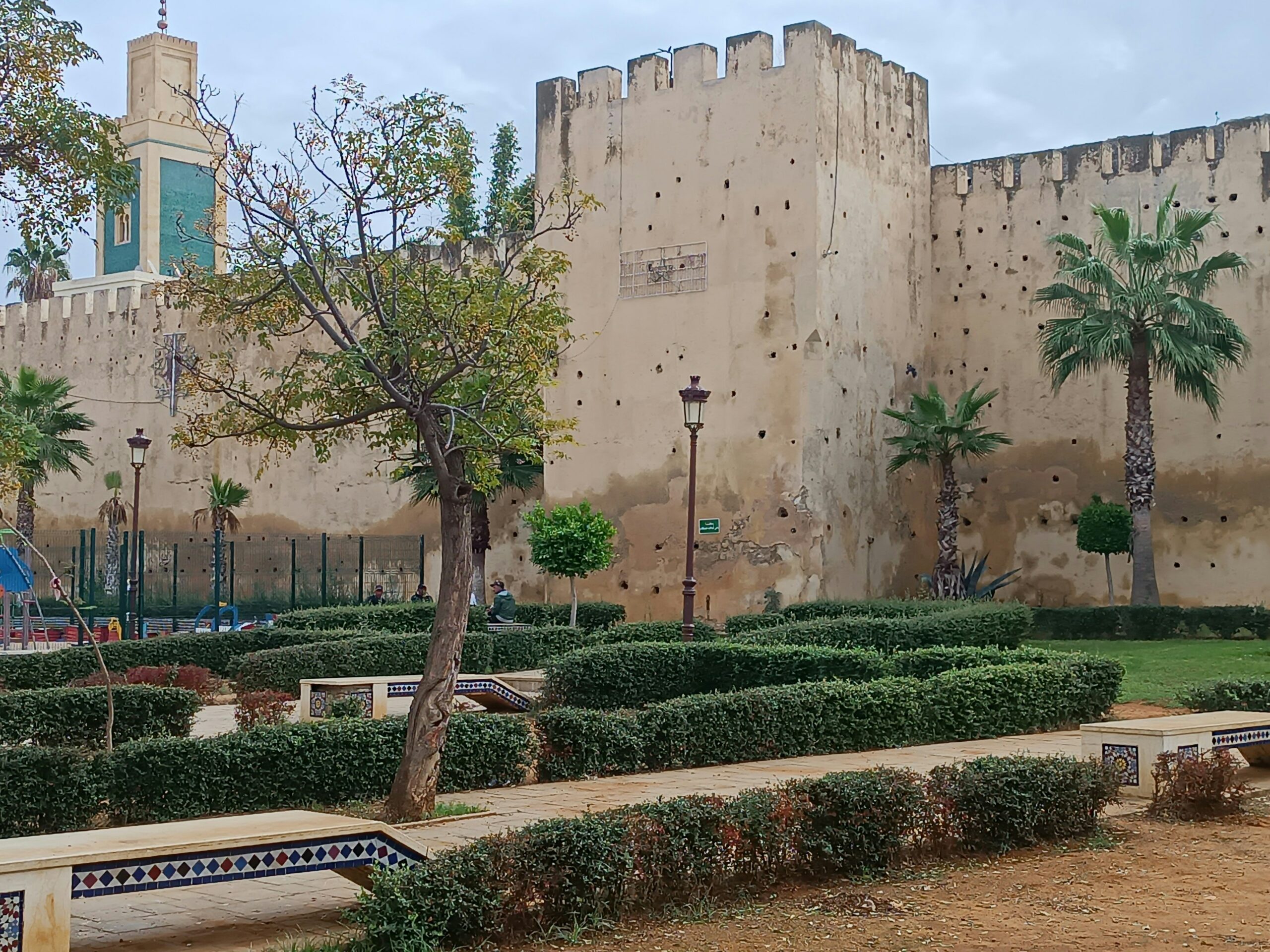
The Kasbah of Moulay Ismail in Meknes was the stronghold of one of Morocco’s most famous sultans. Built in the 17th century, it reflects the grandeur and military power of the Alaouite dynasty.
Architectural Features
This kasbah includes massive gates, extensive gardens, ceremonial halls, and fortified walls. The combination of scale, symmetry, and ornamentation demonstrates both defensive and aesthetic mastery.
Cultural and Tourist Experience
Today, the kasbah is a major attraction for tourists, offering guided tours of its historical halls, gates, and surrounding areas. Visitors can experience the blend of power, architecture, and Moroccan heritage in one location.
Renowned Moroccan Palaces
Moroccan palaces are symbols of royal heritage, architectural brilliance, and cultural sophistication. From grand royal residences to historic city palaces, they showcase the artistry and history of Morocco’s dynasties.
Royal Palace of Fez
The Royal Palace of Fez, also known as Dar al-Makhzen, has been the seat of Moroccan royalty for centuries. Located in the heart of Fez, it symbolizes political authority and cultural heritage.
The palace features majestic gates, expansive courtyards, intricate zellige tilework, carved cedar wood, and stucco decoration. Its design reflects Andalusian influence and traditional Moroccan craftsmanship.
While entry to most areas is restricted to the royal family, visitors can admire the exterior, gates, and surrounding gardens. The palace area remains a significant cultural landmark in Fez.
Bahia Palace in Marrakech
Built in the late 19th century by Si Moussa, a grand vizier, the Bahia Palace was intended to be the greatest palace of its time, showcasing wealth, power, and architectural finesse.
The palace features lavish courtyards, fountains, intricately carved ceilings, and zellige tilework. Lush gardens and ornate halls create a serene and luxurious environment.
Bahia Palace is open to visitors, offering a glimpse into Morocco’s royal lifestyle, decorative arts, and traditional architecture. It remains one of Marrakech’s most visited historical sites.
Dar Batha Palace in Fez
Originally a royal residence, Dar Batha was converted into a museum in the early 20th century, preserving Moroccan arts and crafts.
The palace includes Andalusian-style courtyards, tiled walls, carved wood, and peaceful gardens. It exemplifies Moroccan urban palace architecture.
Dar Batha Museum displays traditional arts, textiles, ceramics, and jewelry. Visitors can explore both the palace architecture and Morocco’s rich artisanal heritage.
Dar Jamai Palace in Meknes
Built in the late 19th century by the Jamai family, Dar Jamai Palace reflects the wealth and status of Meknes’ elite.
The palace features elegant courtyards, ornamental gardens, stucco and wood carvings, and decorative tilework, combining beauty with practicality.
Now a museum, Dar Jamai Palace displays Moroccan crafts and provides visitors with insights into the lifestyle and architecture of Meknes’ nobility.
Tips for Travelers Visiting Moroccan Castles and Palaces
Visiting Morocco’s castles and palaces can be a magical experience if you plan ahead. Here are some essential tips to make your trip more enjoyable and culturally respectful.
Best Time to Visit
Spring (March to May) and Autumn (September to November) are ideal, with mild temperatures and fewer crowds.
Summer can be very hot, especially in desert-adjacent kasbahs, while winter may bring rain in northern regions.
Guided Tours vs. Independent Visits
Guided Tours: Provide detailed historical context, architectural insights, and anecdotes about the dynasties and artisans. Highly recommended for first-time visitors.
Independent Visits: Offer flexibility to explore at your own pace, but may require prior research on opening hours, entrances, and site rules.
A combination of both approaches can provide a rich and immersive experience.
Photography Tips and Cultural Etiquette
Always ask permission before photographing locals or private areas.
Respect signs and barriers; some sections may be restricted for preservation.
Wear comfortable shoes for uneven terrain and walkways.
Be mindful of local customs, particularly in royal palaces where some areas are off-limits.
Morocco’s castles and palaces are living monuments that tell the story of the country’s rich history, diverse cultures, and architectural mastery. From the fortified kasbahs of the desert to the luxurious royal palaces of cities like Marrakech, Fez, and Meknes, each site offers a unique glimpse into Morocco’s past and the artistry of its people.
Exploring these sites allows travelers to step back in time, experience centuries-old craftsmanship, and connect with Morocco’s cultural heritage. Whether you are fascinated by history, architecture, or photography, Moroccan castles and palaces provide unforgettable experiences that appeal to every kind of traveler.
Plan your journey to Morocco’s most iconic castles and palaces today! Discover the stories behind ancient walls, explore stunning courtyards, and immerse yourself in the grandeur of Moroccan heritage. Don’t miss the chance to witness the beauty and history that these remarkable sites have preserved for centuries.