
Lawrence of Arabia Locations in Morocco: Iconic Deserts and Kasbahs from a Cinematic Masterpiece
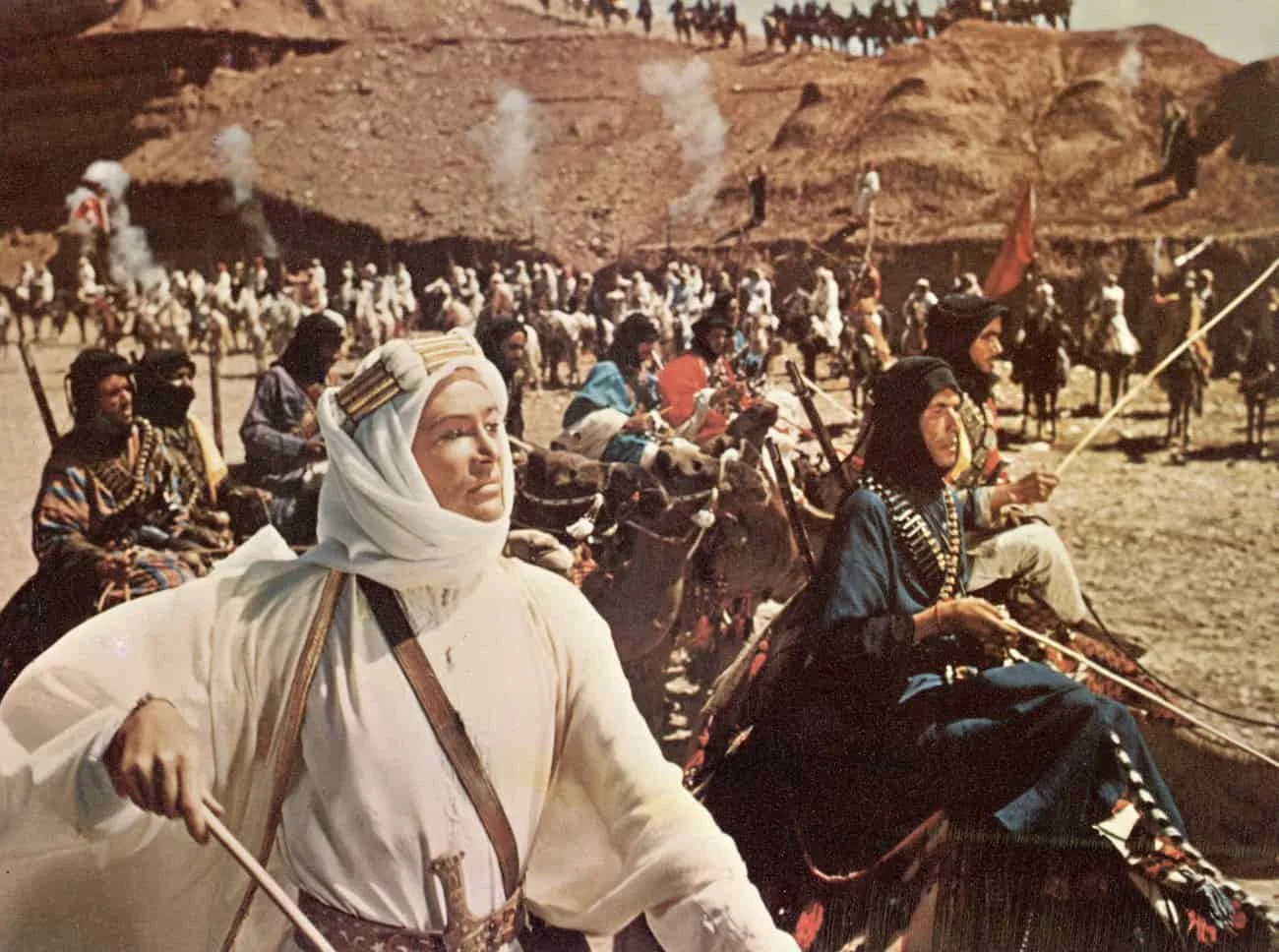
Morocco’s stunning deserts and historic architecture have long served as the perfect stand-in for exotic and ancient worlds, and few films showcase this better than David Lean’s masterpiece Lawrence of Arabia (1962). While the story unfolds across the Arabian Peninsula during World War I, much of the epic, sweeping desert drama—especially the vast dune sequences and fortified settlements—was captured in southern Morocco. Key sites like Aït Benhaddou and the expansive Sahara near Zagora, Erfoud, and Ouarzazate transformed into the harsh, timeless landscapes of Arabia, including Lawrence’s journeys, alliances, and battles. This groundbreaking production helped establish Morocco as Hollywood’s desert powerhouse for epic historical tales, paving the way for later blockbusters at Atlas Studios.
Iconic Sites from Lawrence of Arabia (1962)
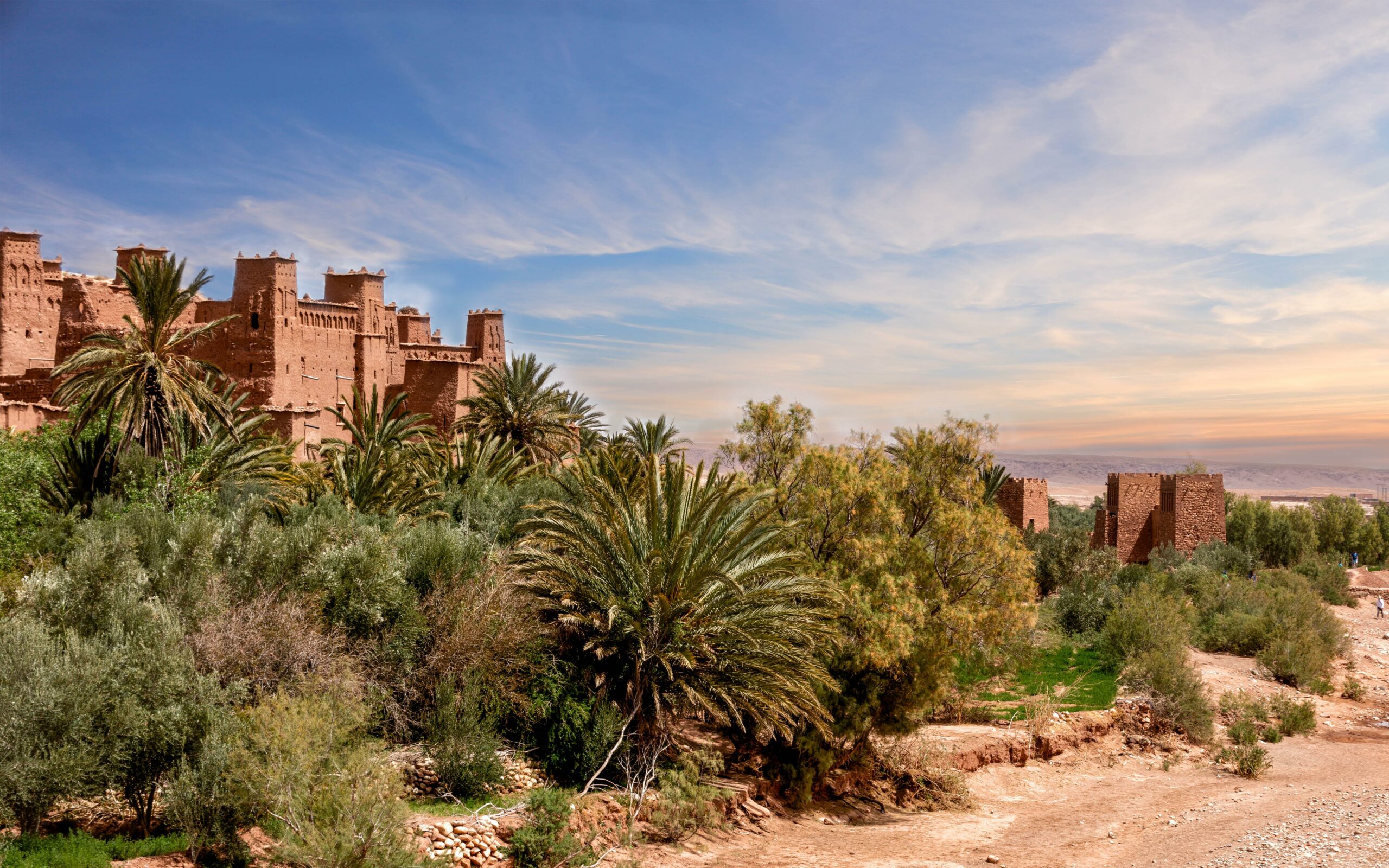
The 1962 film used Morocco to bring the Arabian deserts and settlements to life. The fortified village of Aït Benhaddou, a UNESCO World Heritage Site perched in the foothills of the High Atlas Mountains, stood in for Arab settlements and provided an authentic backdrop for scenes involving Lawrence’s alliances and dramatic sequences like the Tafas massacre. This ancient ksar, with its towering mud-brick structures, winding alleys, and timeless earthen architecture, evoked the rugged, timeless feel of the Middle East without heavy CGI, blending perfectly with the film’s grand scale.
Nearby desert expanses in the Sahara near Zagora, Erfoud, and Ouarzazate anchored the film’s most iconic sequences. Vast dunes and open sands were used for legendary camel treks, mirage shots, army marches, and sweeping wide shots that captured Lawrence’s solitary rides and epic advances. The dramatic lighting, immense scale, and natural vastness made these Lawrence of Arabia locations in Morocco ideal for the film’s ambitious, location-heavy production.
Lawrence of Arabia Locations in Morocco: David Lean’s Timeless Landscapes
David Lean chose Morocco for its unparalleled ability to double as the Arabian desert, filming key exteriors in the early 1960s across southern regions. The desert sequences relied on the endless dunes near Zagora and Erfoud for intense marches, battles, and the famous charges, with natural rocky terrain and craters enhancing the sense of isolation and epic scope. Aït Benhaddou appeared in select moments for fortified village and settlement vibes, linking to the film’s broader authenticity in portraying Arab culture and landscapes.
These enduring sites have influenced countless later productions, with nearby Ouarzazate and Atlas Studios building on this legacy. The production brought significant attention and funds to the region, underscoring why these locations continue to attract major blockbuster crews seeking grand, authentic-feeling historical epics.
Why Morocco Remains a Top Choice for Epic Films
Morocco offers incredible diversity—Sahara dunes, Atlas peaks, ancient kasbahs—at lower costs and with easier logistics than the Middle East. Sites like Aït Benhaddou and the southern deserts have hosted legends like Lawrence of Arabia, The Mummy, Gladiator, Kingdom of Heaven, and Game of Thrones, preserving their magic for reusable inspiration. Aït Benhaddou’s UNESCO-protected status draws visitors who want to walk the same paths as Peter O’Toole’s Lawrence. Guided tours let fans explore preserved structures, learn about Berber culture, and see how Hollywood blends with local heritage.
For travelers in Morocco, these sites make for unforgettable day trips from Marrakech or Ouarzazate—turning a movie pilgrimage into an adventure through history and cinema.
Behind the Scenes: How Morocco Shaped the Lawrence of Arabia Experience
The magic of these locations goes beyond mere scenery. Local Berber communities played a vital role in the film, with many residents working as extras, camel handlers, and support staff. Their knowledge of the land helped production teams navigate harsh desert conditions, extreme heat, and vast distances, while traditional skills aided in set preparations and logistics. This collaboration created an authentic atmosphere that David Lean praised, noting how the real faces, stories, and resilience of the people added depth to the on-screen drama of war, identity, and the vastness of the desert.
How to Experience the Lawrence of Arabia Magic Today
Today, these sites are more accessible than ever for fans and tourists. Aït Benhaddou offers guided walks through the ksar—climb rooftops for sweeping views, explore winding alleys, and chat with residents in this living village. In the Sahara near Zagora or Erfoud, desert tours let you ride camels across the same dunes, watch sunsets over endless sands, and camp under stars echoing the film’s iconic shots. Nearby Ouarzazate provides additional cultural immersion—visiting kasbahs, purchasing handmade souvenirs, and experiencing the Berber heritage that shaped the film’s world.
Frequently Asked Questions (FAQ)
Lawrence of Arabia Locations in Morocco?
Key parts were shot in southern Morocco, focusing on desert treks, battles, and settlements amid dramatic dunes and historic kasbahs. These include vast Sahara sequences near Zagora, Erfoud, and Ouarzazate for camel rides and marches, plus Aït Benhaddou for fortified village and massacre scenes.
Which Parts of Lawrence of Arabia Were Filmed in Morocco?
The majority of desert exteriors, including epic dune crossings, army marches, mirages, and select settlement scenes at Aït Benhaddou (for fortified aesthetics), with the southern Sahara providing the raw, expansive landscapes central to the film’s visual poetry.
Where Was the Film Lawrence of Arabia Filmed?
Desert and Arabian scenes in Morocco (Aït Benhaddou, Zagora, Erfoud, Ouarzazate, Sahara dunes) for vast exteriors and settlements; Jordan (Wadi Rum) for additional iconic dunes; Spain (Seville, Almería) for urban, train, and some massacre sequences; UK studios for interiors.
Where Are Films Shot in Morocco?
Primarily Ouarzazate (Atlas Studios and deserts for epics like Lawrence of Arabia), Aït Benhaddou (kasbahs for ancient settlements), Marrakech (medinas and souks), and desert/coastal areas like Erfoud, Zagora, and Essaouira—perfect for deserts, mountains, and historic cities across films from Lawrence of Arabia to Game of Thrones.
Morocco’s landscapes continue to inspire filmmakers and travelers alike, blending cinematic history with real cultural treasures. Have you crossed the same endless dunes near Zagora that Peter O’Toole rode, stood in the ancient alleys of Aït Benhaddou, or felt the epic silence of the Sahara at sunset? Drop your favorite moment, travel tip, or epic photo in the comments below—we’d love to hear your stories and celebrate this incredible Lawrence of Arabia adventure together! Your positive experiences and glowing reviews really help other fans plan their own unforgettable journey.