The Mummy Filming Locations in Morocco: From Bustling Medina Streets to Desert Ruins
Morocco’s stunning deserts and historic architecture have long served as the perfect stand-in for ancient worlds, and few films showcase this better than Stephen Sommers’ The Mummy (1999). While the story unfolds in 1920s Egypt with curses and lost tombs, much of the thrilling, sand-swept action—especially the exotic city scenes and the legendary City of the Dead—was captured in southern and southeastern Morocco. Key sites like Marrakech’s vibrant medina and the dramatic Gara Medouar crater near Erfoud transformed into Cairo’s chaotic streets and the cursed burial grounds of Hamunaptra. With its vast landscapes and reusable potential, Morocco remains Hollywood’s desert powerhouse for epic adventure tales.
Iconic Sites from The Mummy (1999)
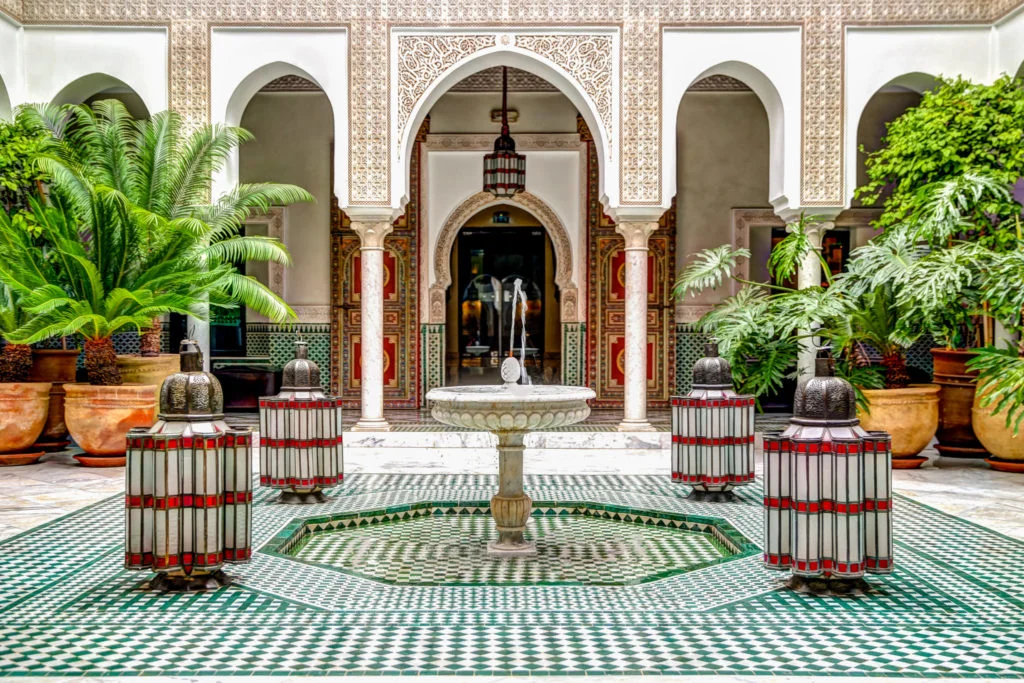
The 1999 film used Morocco to bring ancient Egyptian settings and exotic locales to life. Marrakech’s historic medina, including Djemaa el Fna square and the luxurious La Mamounia hotel, stood in for 1920s Cairo—the bustling port city where Rick O’Connell, Evelyn, and Jonathan begin their quest. The medina’s narrow alleys, souks, and grand architecture provided an authentic backdrop for street chases, market chaos, and the iconic hotel fountain that runs red with blood after the curse awakens Imhotep. These urban elements captured the film’s early energy without heavy CGI, blending seamlessly with period details and props.
Nearby desert exteriors anchored the film’s most memorable sequences. The lost city of Hamunaptra was filmed at Gara Medouar (a striking horseshoe-shaped erosion crater resembling a dormant volcano) near Erfoud in the Tafilalt region. The production built elaborate tomb entrances, temples, and ruins inside the natural bowl, using the site’s dramatic cliffs and vast dunes for camel treks, sandstorms, scarab attacks, and climactic battles. The natural scale and lighting made these The Mummy filming locations in Morocco ideal for large-scale action and adventure production.
The Mummy Filming Locations in Morocco: Stephen Sommers’ Timeless Landscapes
Stephen Sommers chose Morocco for its ability to double as ancient Egypt, filming key city and desert exteriors in 1998. The Hamunaptra sequences relied on Gara Medouar for tomb explorations, mummy awakenings, and intense fights, with the crater’s enclosed shape enhancing the isolated, cursed necropolis feel. Marrakech’s medina supported urban scenes like arrivals, confrontations, and the curse’s outbreak, while desert expanses near Erfoud handled caravan journeys and wide shots. These enduring landscapes have influenced later films, with nearby areas tying into Morocco’s growing film infrastructure.
Nearby sites like Aït Benhaddou influenced the aesthetic for ancient fortified vibes in the broader production context. The shoot brought significant economic benefits to the region, highlighting why these locations continue to draw major blockbuster crews seeking adventurous, authentic-feeling historical fantasies.
Why Morocco Remains a Top Choice for Epic Films
Morocco offers incredible diversity—Sahara dunes, Atlas peaks, ancient kasbahs—at lower costs and with easier logistics than Egypt or the Middle East. Locations like Gara Medouar and Marrakech’s medina preserve their magic, drawing visitors who want to explore the same sands as Rick and Evie. Guided tours let fans learn about Berber culture, see Hollywood’s integration with local heritage, and experience the scale firsthand.
For travelers in Morocco, these sites make for unforgettable day trips from Marrakech or Erfoud—turning a movie pilgrimage into an adventure through history and cinema.
Behind the Scenes: How Morocco Shaped the Mummy Experience
The magic of these locations goes beyond mere scenery. Local Berber communities played a vital role in the film, with many residents working as extras, craftsmen, and support staff. Their knowledge of the land helped production teams navigate harsh desert conditions, sandstorms, and even rebellious camels, while traditional building techniques were used to construct and enhance sets like the Hamunaptra ruins. This collaboration created an authentic atmosphere that director Stephen Sommers praised, noting how the real faces and stories of the people added depth to the on-screen drama of curses, adventure, and ancient Egypt.
How to Experience the Mummy Magic Today
Today, these sites are more accessible than ever for fans and tourists. In Marrakech, walk the medina’s souks and Djemaa el Fna square—visit La Mamounia for a luxurious touch echoing the film’s hotel scenes. Near Erfoud, guided Sahara tours take you to Gara Medouar—climb the crater rims for sweeping views, ride camels across dunes, and explore the rocky formations that became Hamunaptra. Nearby Aït Benhaddou and other kasbahs provide additional cultural immersion—climbing rooftops, chatting with residents, and purchasing handmade souvenirs that echo the film’s ancient aesthetic.
Frequently Asked Questions (FAQ)
The Mummy Filming Locations in Morocco?
Key parts were shot in Marrakech (medina for Cairo scenes) and near Erfoud (Gara Medouar crater for Hamunaptra), focusing on city streets, tomb explorations, and desert action amid dramatic landscapes and built sets. These include bustling markets and hotel scenes in Marrakech, plus the cursed city ruins, sandstorms, and battles in the volcanic crater.
Which Parts of The Mummy Were Filmed in Morocco?
The majority of exterior sequences, including 1920s Cairo streets, markets, and hotel in Marrakech (medina alleys, Djemaa el Fna, La Mamounia), the lost city of Hamunaptra at Gara Medouar near Erfoud (tomb entrances, ruins, scarab swarms, and climactic fights), desert caravans, and wide dune shots.
Where Was the Film The Mummy Filmed?
Egyptian and desert scenes in Marrakech and Erfoud/Gara Medouar (Morocco) for Cairo, Hamunaptra, and action; UK sites (Buckinghamshire, Kent, Surrey) for some interiors, ports, and enhancements.
Where Are Films Shot in Morocco?
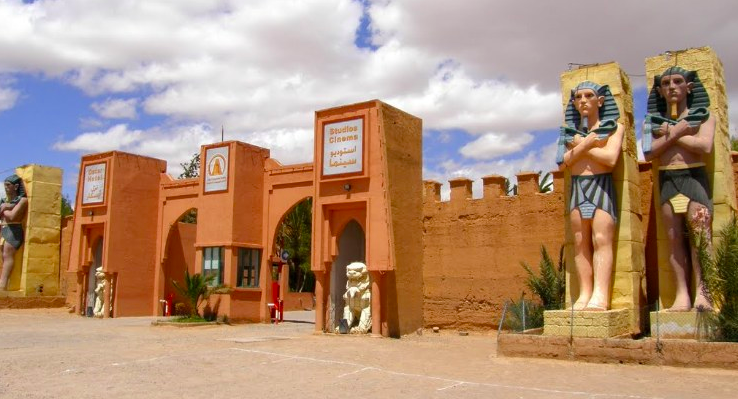
Primarily Marrakech (medinas and souks for city scenes), Erfoud and desert areas (craters and dunes for adventures like The Mummy), Ouarzazate (Atlas Studios for epics), Aït Benhaddou (kasbahs for ancient cities), and coastal spots like Essaouira—perfect for deserts, mountains, and historic settings across films from Lawrence of Arabia to Game of Thrones.
Morocco’s landscapes continue to inspire filmmakers and travelers alike, blending cinematic history with real cultural treasures. Have you wandered Marrakech’s medina like Rick O’Connell, stood inside the dramatic Gara Medouar crater that became Hamunaptra, or felt the thrill of the Sahara dunes? Drop your favorite moment, travel tip, or epic photo in the comments below—we’d love to hear your stories and celebrate this incredible The Mummy adventure together! Your positive experiences and glowing reviews really help other fans plan their own unforgettable journey.