Moroccan Natural Products: Traditional Treasures, Argan Oil, Spices & Artisan Beauty Secrets
Morocco is known not only for its vibrant cities and breathtaking landscapes but also for its rich heritage of natural products deeply rooted in tradition. From the world-famous argan oil to aromatic spices and traditional beauty treatments, Moroccan natural products reflect centuries of cultural knowledge, local craftsmanship, and sustainable practices.
For travelers seeking authentic experiences, discovering these traditional treasures offers a deeper connection to Moroccan culture and daily life. Visiting local markets, exploring traditional cooperatives, and learning about ancient beauty rituals provide unique insights into the country’s heritage.
In this article, you will explore Morocco’s most famous natural products, their cultural significance, and where to experience them during your journey.
Why Moroccan Natural Products Are Famous Worldwide
Moroccan natural products are renowned worldwide because of their authenticity, traditional production methods, and strong connection to local culture. For centuries, communities across Morocco have relied on nature to create beauty products, culinary ingredients, and herbal remedies using techniques passed down through generations.
One of the main reasons behind their global popularity is the use of organic and sustainable practices. Many Moroccan products are handmade in small cooperatives where traditional knowledge is preserved. These methods ensure high quality while respecting the environment and supporting local communities, especially women’s cooperatives in rural regions.
Another important factor is the purity of Moroccan natural ingredients. Whether it is plant-based oils, mineral-rich clays, or aromatic spices, these products are known for their effectiveness and natural composition. Travelers often appreciate that Moroccan products contain minimal chemical processing, making them appealing for health-conscious consumers.
Cultural heritage also plays a major role in their reputation. Natural products in Morocco are not simply commercial goods they are part of daily life, beauty rituals, and social traditions. From skincare treatments in traditional hammams to the use of spices in Moroccan cuisine, these products reflect a lifestyle shaped by history and nature.
For visitors, discovering Moroccan natural products offers more than shopping opportunities. It provides a meaningful cultural experience that connects them with local traditions, craftsmanship, and the country’s rich heritage.
Argan Oil — Morocco’s Liquid Gold
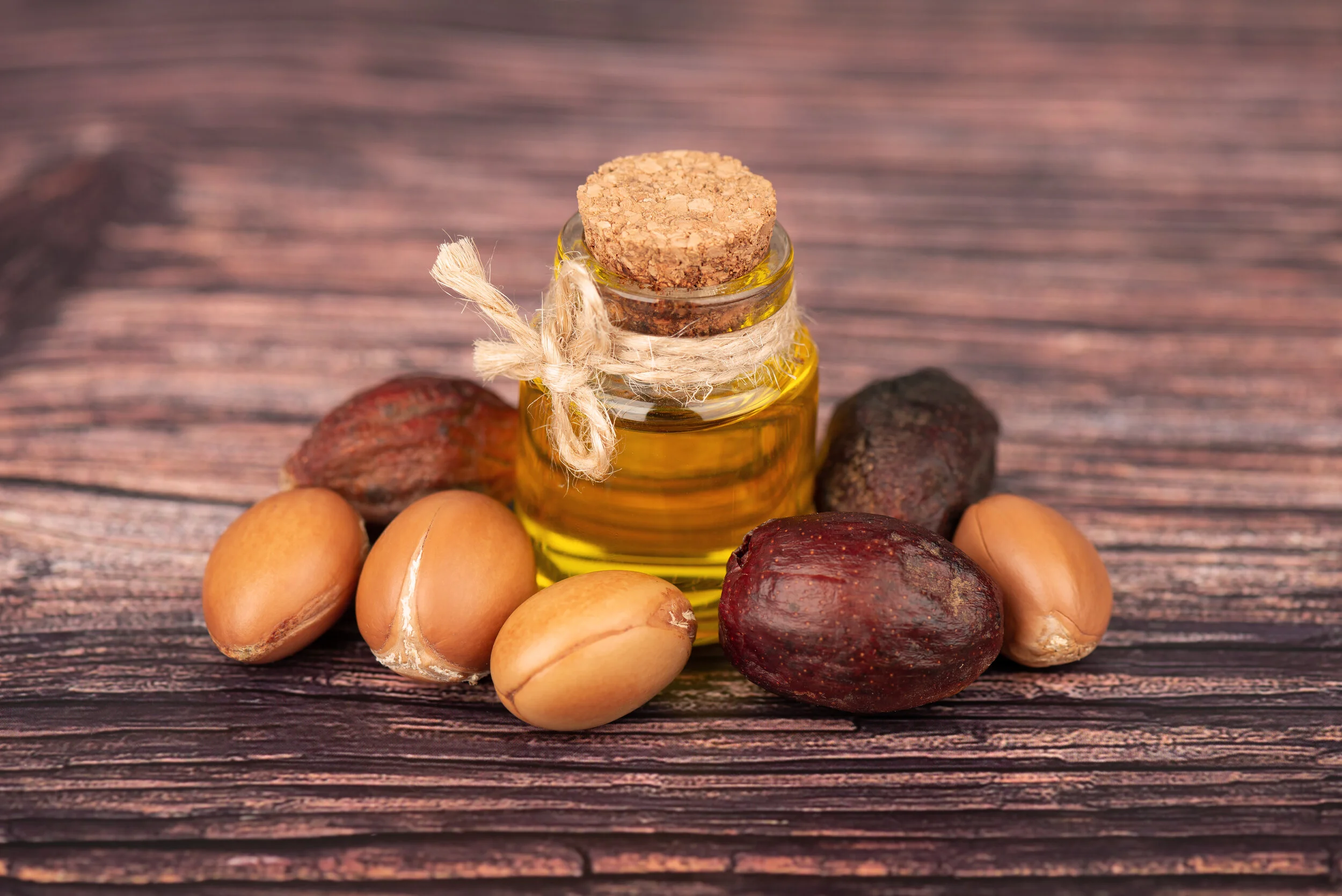
Argan oil is one of the most valuable and internationally recognized natural products from Morocco. Often called “liquid gold,” this precious oil is extracted from the kernels of the argan tree, which grows mainly in the southwestern regions of the country. For centuries, local communities have used argan oil for culinary, cosmetic, and medicinal purposes.
The production process of argan oil is unique and deeply rooted in traditional craftsmanship. The oil is typically produced by women’s cooperatives, where kernels are carefully extracted by hand and pressed using traditional methods. This process preserves the oil’s purity while supporting local economies and empowering rural communities.
Argan oil is widely appreciated for its exceptional benefits. In skincare, it is known for its moisturizing and anti-aging properties thanks to its richness in vitamin E and essential fatty acids. It helps nourish the skin, improve elasticity, and protect against environmental damage. For hair care, argan oil strengthens hair, adds shine, and reduces dryness and frizz, making it a popular ingredient in global beauty products.
In addition to cosmetic use, culinary argan oil is an important part of Moroccan gastronomy. With its nutty flavor, it is often used in traditional dishes or served with bread as a healthy and delicious accompaniment.
For travelers, discovering authentic argan oil offers a unique cultural experience. Visiting local cooperatives, learning about traditional extraction methods, and understanding its role in Moroccan daily life allows visitors to connect more deeply with the country’s heritage and natural richness.
Natural Beauty Products from Morocco
Natural beauty products from Morocco are known worldwide for their purity, effectiveness, and traditional production methods. For centuries, Moroccan communities have relied on natural ingredients for skincare, hair care, and wellness rituals, using knowledge passed down through generations. These products are deeply connected to the country’s environment, culture, and holistic lifestyle.
One of Morocco’s most famous natural products is argan oil, often called “liquid gold.” Extracted from the kernels of the argan tree, this oil is widely used for moisturizing skin, nourishing hair, and improving overall skin health. Rich in vitamin E and antioxidants, argan oil helps hydrate, repair, and protect. Visitors can discover authentic argan oil production, especially near Essaouira, where women’s cooperatives traditionally produce the oil using artisanal methods.
Another essential Moroccan beauty product is rhassoul clay (also known as ghassoul), a natural mineral clay from the Atlas Mountains. It has been used for centuries in traditional hammam rituals to cleanse the skin and hair deeply. When mixed with water, rhassoul gently removes impurities, absorbs excess oil, and leaves the skin soft and refreshed without harsh chemicals.
Rose water is also widely used in Moroccan beauty traditions. Made from distilled rose petals, it serves as a natural toner that refreshes and soothes the skin. It is particularly valued for its calming properties and delicate fragrance, often used in both beauty routines and cultural ceremonies.
In addition, black soap (Savon Noir) plays an important role in Moroccan skincare. Made from olive oil and natural ingredients, this soft soap is used during hammam treatments to exfoliate and purify the skin, leaving it smooth and revitalized.
For travelers, exploring Morocco’s natural beauty products offers more than shopping opportunities it provides insight into traditional wellness practices and sustainable craftsmanship. Visiting local cooperatives, traditional markets, or experiencing a Moroccan hammam allows visitors to connect with authentic self-care rituals that have defined Moroccan culture for generations.
Traditional Herbal Remedies in Morocco
Traditional herbal remedies are an important part of daily life in Morocco, reflecting centuries of natural healing knowledge and cultural tradition. Long before modern medicine became widespread, Moroccan communities relied on plants, herbs, and natural ingredients to treat common health concerns, promote wellness, and maintain balance in the body.
These remedies are rooted in a holistic approach to health, where physical well-being is closely connected to lifestyle, diet, and natural treatments. Herbal medicine continues to play a significant role in Moroccan culture, especially in rural areas where traditional practices are carefully preserved and passed down through generations.
Popular Medicinal Herbs in Morocco
Morocco’s diverse climate and landscapes allow a wide variety of medicinal plants to grow naturally, particularly in mountain and desert regions. Some of the most commonly used herbs include:
Mint (Naanaa) – Widely used not only in tea but also for digestive health. It helps soothe stomach discomfort, improve digestion, and relieve headaches.
Wormwood (Chiba) – Known for its strong medicinal properties, it is often used to support digestion and boost immunity, especially during colder months.
Thyme (Zaatar) – Used as a natural remedy for respiratory problems, sore throat, and infections due to its antibacterial properties.
Sage (Salmiya) – Traditionally used to ease inflammation, improve digestion, and support overall health.
These herbs are often prepared as teas, infusions, or natural treatments that support everyday wellness.
Herbal Markets and Traditional Knowledge
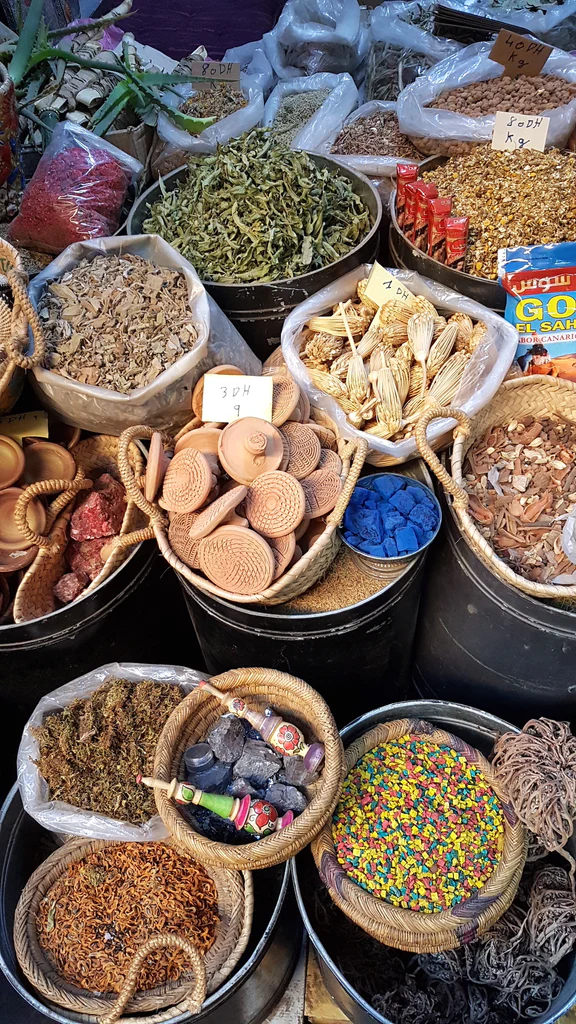
In Moroccan cities and villages, herbal remedies are commonly found in traditional markets (souks), where herbalists sell dried plants, oils, and natural mixtures. These specialists possess extensive knowledge about plant properties, preparation methods, and health benefits.
Visiting these markets offers travelers a unique cultural experience, allowing them to discover how traditional healing practices remain an active part of Moroccan life. The experience also reflects Morocco’s strong connection to nature and its long-standing tradition of natural medicine.
Wellness and Cultural Experience for Travelers
For visitors, exploring Moroccan herbal traditions provides insight into the country’s holistic approach to health and well-being. Many travelers experience these remedies through herbal teas, traditional hammam rituals, or wellness treatments using natural ingredients.
Discovering traditional herbal remedies is not only about health benefits — it also offers a deeper understanding of Moroccan culture, sustainability, and respect for nature’s healing power.
Where to Buy Authentic Moroccan Natural Products
Finding authentic natural products in Morocco is an exciting experience for travelers. From traditional oils and herbs to handmade beauty products and spices, Morocco offers many places where visitors can purchase genuine items while supporting local artisans and communities. However, knowing where to shop is essential to ensure quality and authenticity.
Traditional Souks and Local Markets
Morocco’s traditional markets (souks) are among the best places to discover natural products. Cities like Marrakech, Fez, and Agadir offer vibrant marketplaces where travelers can find spices, herbal remedies, essential oils, and natural cosmetics.
Souks provide a unique shopping experience where visitors can interact directly with local sellers, learn about product origins, and observe traditional preparation methods. However, quality can vary, so it is important to compare products, ask questions, and choose trusted vendors.
Women’s Cooperatives
One of the most reliable ways to buy authentic Moroccan natural products is through women’s cooperatives. These organizations produce traditional items using ancestral techniques while supporting local communities.
For example, argan oil cooperatives—especially in regions like Essaouira and Agadir—allow visitors to see how products are made and purchase directly from producers. Buying from cooperatives increases the chance of authenticity and supports fair-trade practices.
Herbal Shops and Herboristeries
Traditional herbal shops, known as herboristeries, specialize in medicinal plants, dried herbs, essential oils, and natural beauty treatments. These shops are common in historic medinas and often sell remedies used in Moroccan traditional medicine.
In cities like Fez, herboristeries offer products such as rose water, ghassoul clay, saffron, and herbal mixtures prepared using traditional knowledge.
Pharmacies and Organic Stores
For travelers seeking certified and high-quality products, pharmacies and specialized organic shops provide a safer option. These stores typically sell properly labeled natural cosmetics and oils with clear ingredients and hygiene standards.
Authentic products usually include quality certifications, proper packaging, and detailed ingredient lists. Experts recommend checking labels carefully and avoiding products with unclear composition or unusually low prices.
Tips for Ensuring Authenticity
When purchasing Moroccan natural products, travelers should:
Choose reputable sellers or cooperatives
Check ingredients and certifications
Avoid extremely cheap prices, which may indicate low quality
Observe product texture, smell, and packaging
Ask about the origin and production process
Pure products like argan oil require labor-intensive production, so very low prices often signal dilution or imitation.
Natural Products as Unique Moroccan Souvenirs
Moroccan natural products are more than simple purchases — they represent culture, tradition, and authentic travel memories. For many visitors to Morocco, these products become meaningful souvenirs that reflect the country’s rich heritage, craftsmanship, and natural resources.
Authentic Cultural Keepsakes
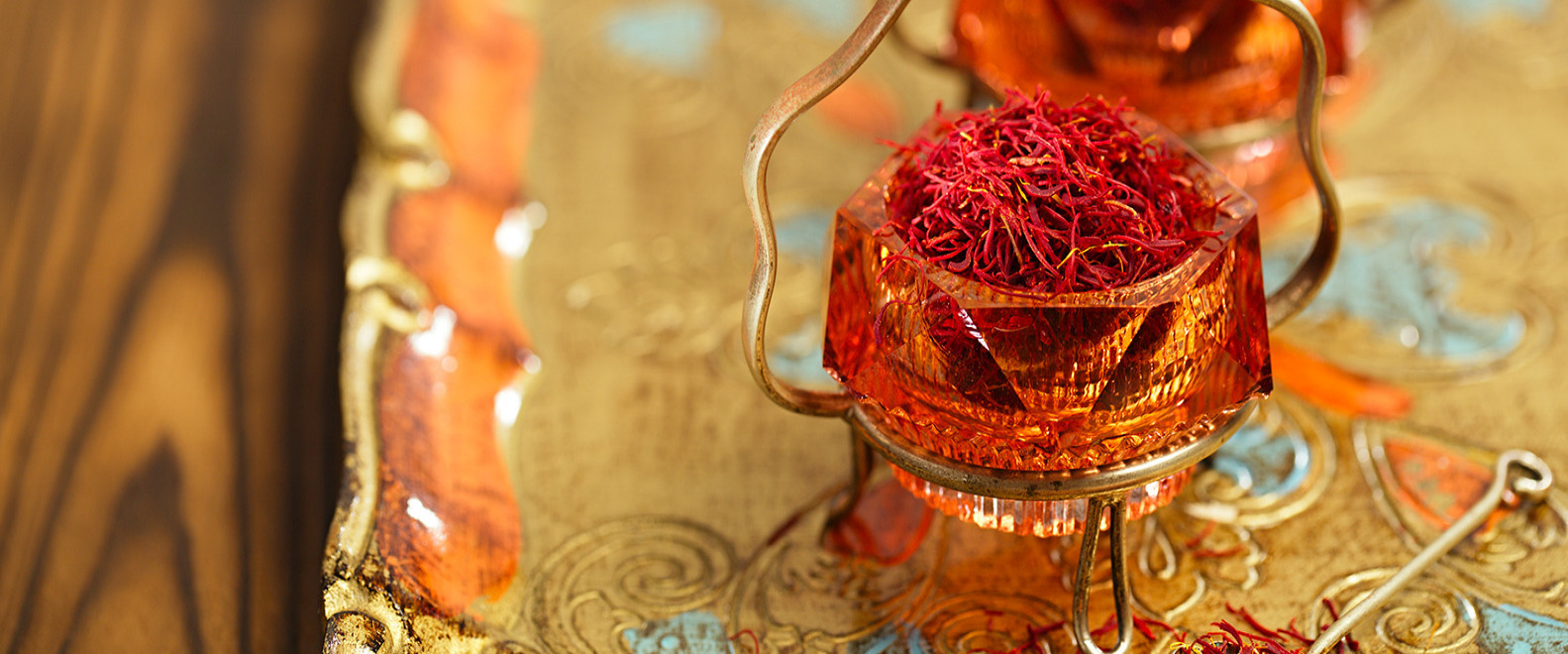
Natural Moroccan products are deeply connected to local traditions and daily life. Items like argan oil, saffron, rose water, and ghassoul clay are produced using ancestral methods passed down through generations. Bringing these products home allows travelers to keep a piece of Moroccan culture and share their travel experience with others.
Unlike mass-produced souvenirs, natural products offer authenticity and cultural value, making them more meaningful and memorable.
Handmade and Locally Produced
Many Moroccan natural products are handmade by local artisans and women’s cooperatives. Whether purchased in the medinas of Marrakech, Fez, or coastal regions like Essaouira, these items often support local communities and traditional craftsmanship.
This makes them not only unique gifts but also responsible souvenirs that contribute to sustainable tourism and local economic development.
Practical and Long-Lasting Gifts
Natural Moroccan souvenirs are practical and useful in everyday life. Travelers can bring home:
Natural beauty products like argan oil and rose water
Traditional spices such as saffron and ras el hanout
Herbal teas and medicinal plants
Natural skincare products like black soap and ghassoul clay
These items allow visitors to relive their Moroccan experience through scents, flavors, and wellness rituals long after their trip ends.
Eco-Friendly and Sustainable Choices
Many Moroccan natural products are environmentally friendly, made with organic ingredients and minimal industrial processing. For modern travelers seeking sustainable and ethical souvenirs, these products provide a responsible alternative to synthetic goods.
Choosing natural Moroccan souvenirs also supports eco-conscious tourism and preserves traditional production methods.
Morocco’s natural products offer more than just souvenirs — they are a window into the country’s rich culture, traditions, and craftsmanship. From the nourishing argan oil and aromatic spices to herbal remedies and beauty rituals, each product tells a story of Moroccan heritage. Exploring these treasures allows travelers to connect deeply with local communities, experience authentic Moroccan life, and bring home meaningful memories that last long after their trip.
Whether you are tasting spices in a vibrant souk, visiting an argan oil cooperative, or discovering traditional herbal remedies, Morocco’s natural products create unforgettable experiences for every traveler.
Ready to experience Morocco’s authentic natural treasures for yourself? Book your personalized tour with MT Morocco Travel today and explore local markets, cooperatives, and cultural experiences that will make your journey unforgettable!