Morocco Language Spoken: What Languages Do People Speak in Morocco?
If you are wondering what language is spoken in Morocco, the short answer is: Morocco is multilingual. The country has two official languages, Arabic and Amazigh, while Moroccan Arabic (Darija) is the main language heard in everyday conversations. French is also widely used, and Spanish is particularly common in parts of northern Morocco and some southern areas.
For travelers, this means you can usually communicate without speaking Arabic fluently. In major tourist destinations such as Marrakech, Fez, Casablanca, Rabat, Tangier and Agadir, you will often encounter people who speak French, English or Spanish, especially in hotels, restaurants, tour companies and other tourism-related businesses. Still, learning a few words of Moroccan Darija can make everyday interactions much easier and help you connect with local people.
What Language Is Spoken in Morocco?
The main languages spoken in Morocco are Arabic, Amazigh, Darija, French and Spanish, with English becoming increasingly useful in tourism and among younger Moroccans.
Arabic and Amazigh are the country’s two official languages. This status is recognized in Morocco’s constitutional framework, while the country’s linguistic identity also reflects Arab-Islamic, Amazigh and Saharan-Hassani heritage.
However, knowing the official languages does not necessarily tell you what you will hear when walking through a Moroccan city. In everyday life, many conversations take place in Darija, the Moroccan variety of Arabic. The Moroccan National Tourist Office describes Darija as the oral language used by Moroccans and notes that it has been influenced by Arabic, Amazigh, French and Spanish.
So, if someone asks, “What language do they speak in Morocco?”, the most practical answer is that Morocco has several commonly used languages, and Darija is one of the most important for daily communication.
What Is the Official Language of Morocco?
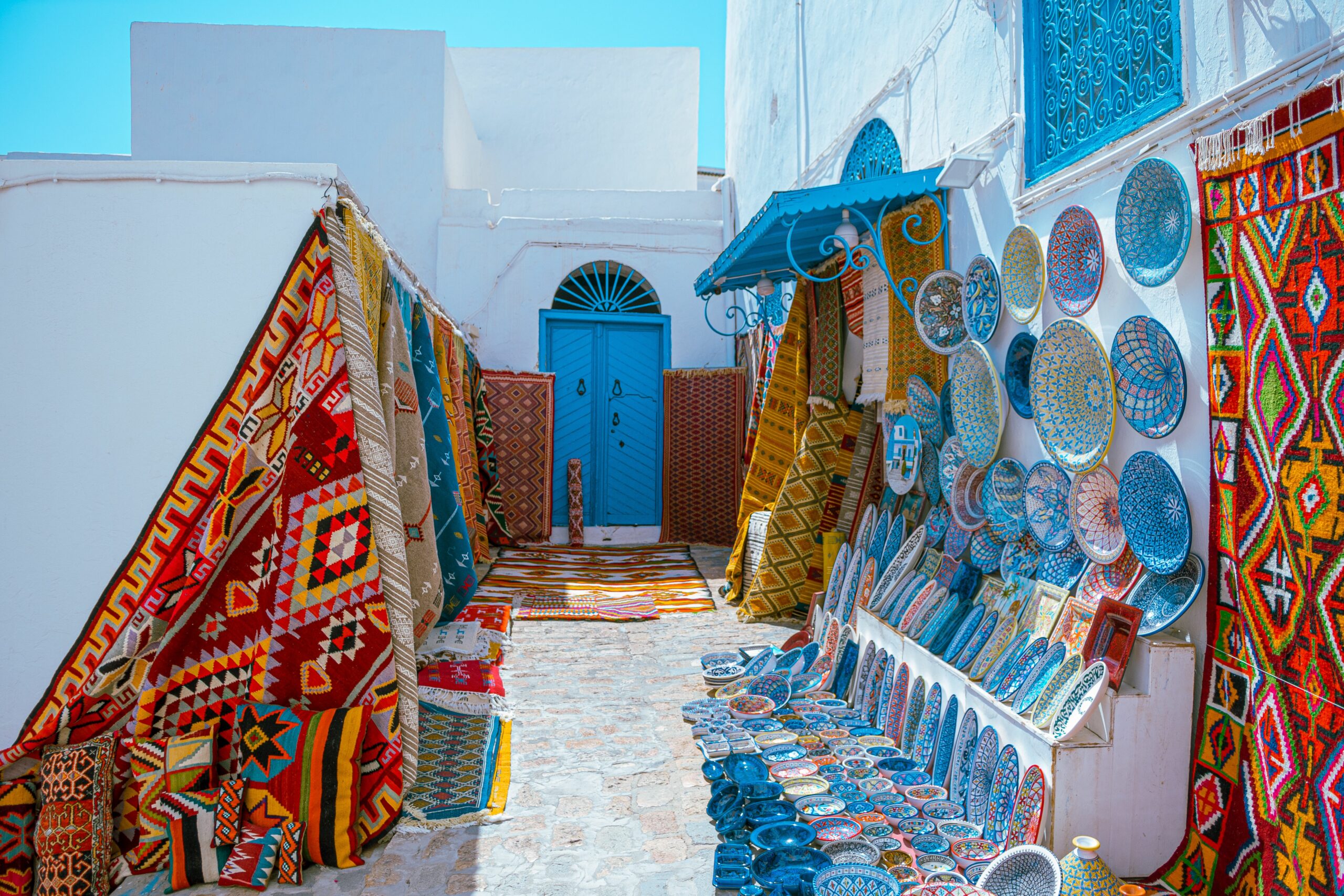
Morocco has two official languages: Arabic and Amazigh.
Arabic has a major role in government, administration, education, media and religious and cultural contexts. Modern Standard Arabic, sometimes called Classical or Literary Arabic depending on the context, is different from the Moroccan Arabic people commonly use in casual conversation.
Amazigh, also known as Berber, is the other official language. It represents an important part of Morocco’s cultural and historical identity and is written officially using the Tifinagh alphabet. Amazigh languages are spoken particularly among communities in the Atlas Mountains, the Rif and southern parts of the country, although Amazigh heritage is present throughout Morocco.
For visitors, the distinction is useful: you may see Arabic and Tifinagh on official signs, cultural materials and public information, while hearing Darija, Amazigh, French or another language during everyday interactions.
What Is Moroccan Darija?
Darija is Moroccan Arabic, the variety of Arabic commonly used in everyday conversation across much of Morocco.
It can sound quite different from Modern Standard Arabic and from other Arabic dialects spoken elsewhere in North Africa and the Middle East. Darija has developed through centuries of cultural and linguistic contact, incorporating vocabulary and influences from Amazigh, French and Spanish.
You will hear Darija in markets, cafés, taxis, shops, homes and casual conversations. If you travel through different regions, you may also notice variations in pronunciation and vocabulary.
For tourists, Darija is worth learning even if you only memorize a handful of expressions. Saying salam, shukran or beslama can immediately make an interaction feel more natural.
Is Arabic Spoken in Morocco?
Yes. Arabic is widely spoken in Morocco, but it is important to distinguish between different forms of Arabic.
Modern Standard Arabic is used in formal settings, including official communication, administration, education, media and other formal contexts. Darija is much more common in informal, everyday conversations.
This is why travelers who have studied Standard Arabic may recognize some words in Morocco but still find everyday conversations difficult at first. Moroccan Darija has its own pronunciation, vocabulary and expressions.
You do not need to learn formal Arabic before visiting Morocco. For most travelers, learning a few practical Darija phrases is a more useful way to prepare for daily interactions.
Do People Speak French in Morocco?
Yes, French is widely spoken and understood in Morocco. It is particularly useful in cities, business environments, tourism, restaurants, hotels and other services.
The Moroccan National Tourist Office states that French is spoken and understood by almost all Moroccans, while the country’s official language information also describes French as the country’s main foreign language.
French is a legacy of Morocco’s modern history and continues to have an important role in professional and everyday life. You may see French alongside Arabic on menus, signs, websites, advertisements and official or commercial documents.
For travelers from France or other French-speaking countries, this makes Morocco particularly easy to navigate. Even when a person does not speak English, there is a good chance that French can help you communicate.
If you are planning a trip and want to explore beyond the major cities, you can also browse [Morocco tours from Marrakech] or choose a route departing from another major destination.
Is Spanish Spoken in Morocco?
Spanish is spoken particularly in northern Morocco, where historical and geographical connections with Spain have influenced language use. Spanish can also be found in some areas farther south.
Cities and areas in northern Morocco, including Tangier, Tetouan and Chefchaouen, have strong historical connections with Spain, so Spanish can be especially useful there. Morocco’s proximity to Spain across the Strait of Gibraltar has also contributed to continued cultural and linguistic exchange.
If your itinerary includes northern Morocco, knowing Spanish can therefore be an advantage. Travelers can explore the north through [tours from Tangier] while experiencing a part of the country where several languages may be heard in the same day.
Do People Speak English in Morocco?
English is increasingly useful in Morocco, particularly in international tourism and among younger people. You are most likely to encounter English speakers in hotels, riads, restaurants, tourist attractions, tour companies and popular destinations.
However, English should not be treated as the country’s main everyday language. Depending on where you travel, Darija, French or Amazigh may be much more common.
In smaller towns and rural areas, communication can be more dependent on local languages and gestures. A few Darija expressions can therefore be extremely helpful, especially when ordering food, shopping, asking for directions or greeting someone.
If you are visiting Morocco for the first time, learning a small set of phrases is usually more valuable than trying to become fluent before your trip.
Useful Moroccan Darija Phrases for Travelers
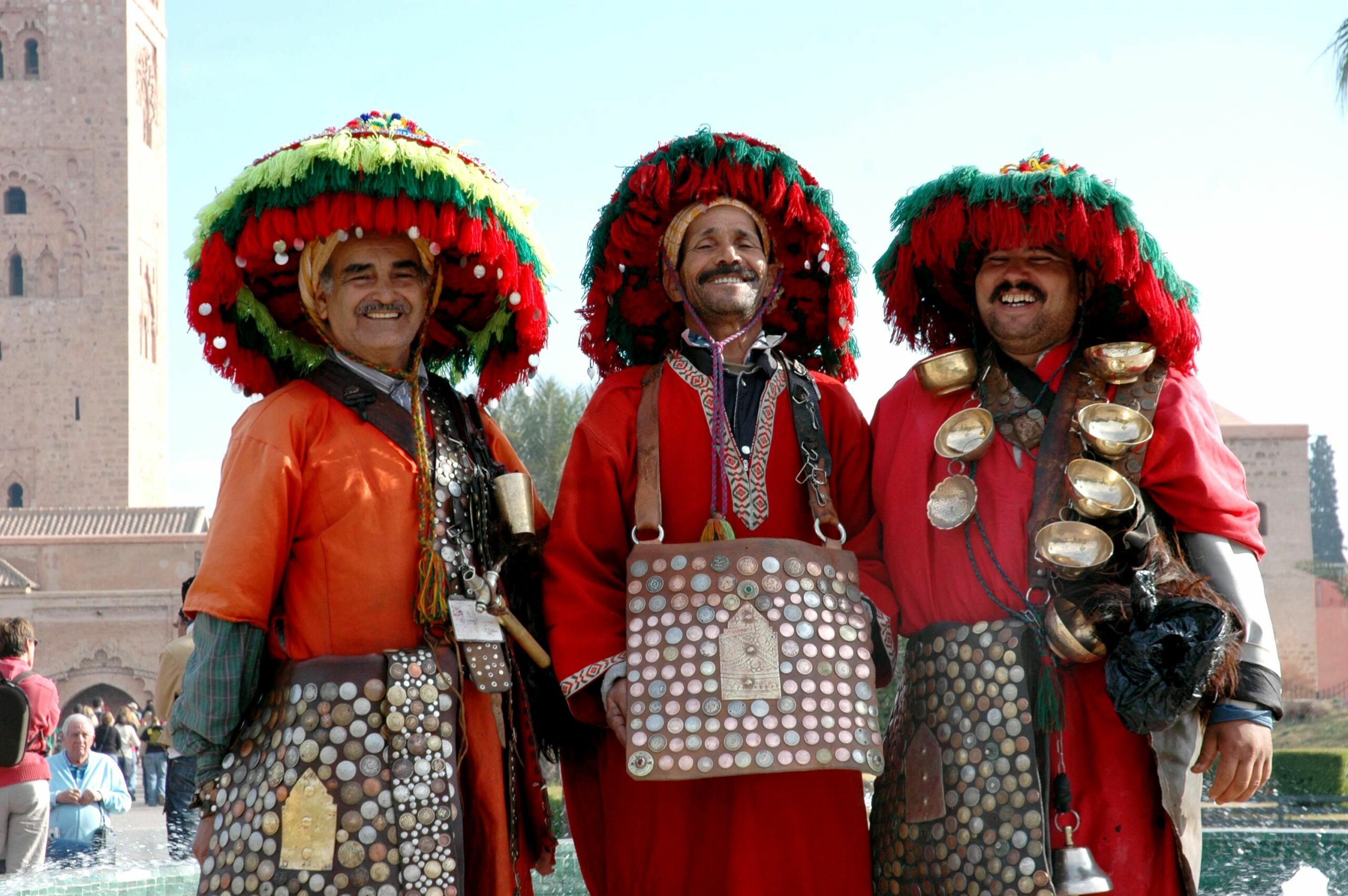
You do not need a full language course to communicate basic ideas in Morocco. Learning a few everyday expressions can help you greet people, ask simple questions and show respect for the local culture.
Here are some useful Moroccan Arabic phrases:
- Salam — Hello
- Msa l-khir — Good evening
- Labas? — How are you? / Are you well?
- Labas, hamdullah — Fine, thank God
- Shukran — Thank you
- Beslama — Goodbye
- Marhba — Welcome
- Smah li — Excuse me / Sorry
- Afak — Please
- Iyah / Ah — Yes
- La — No
- Bshhal? — How much?
- Ghali bezaf — Very expensive
- Chno smitek? — What is your name?
- Ma fhemtsh — I don’t understand
- Fin kayn…? — Where is…?
- Atini atay — Give me tea / I’d like tea
The exact pronunciation can vary depending on the speaker and region, and transliterations from Arabic do not have one universally standardized spelling. The important thing is to listen carefully and use the expressions naturally rather than worrying about perfect pronunciation.
The Moroccan National Tourist Office also provides a practical vocabulary list covering greetings, shopping and everyday expressions.
Which Language Should Tourists Learn in Morocco?
For a short vacation, Moroccan Darija is the most useful language to learn for everyday local interactions. You do not need to study grammar extensively. Learning greetings, numbers, directions, prices and basic expressions will give you a practical foundation.
French is especially useful if you plan to communicate with hotels, restaurants, drivers, guides and businesses. English can also be sufficient in many tourist-oriented environments, particularly in major cities.
Your best approach depends on your itinerary. Someone spending a week in Marrakech may rely heavily on English or French, while a traveler visiting rural villages in the Atlas Mountains may benefit much more from a few Darija expressions and the help of a local guide.
If you are planning a multi-city trip, you can also look at [tours from Fez] or [tours from Casablanca] to see how different routes can connect Morocco’s major destinations.
Languages Spoken in Different Parts of Morocco
The language you hear can change depending on the region you visit.
Marrakech
Marrakech is one of Morocco’s busiest tourist destinations, so visitors commonly encounter Darija, French and English, particularly in hotels, restaurants, souks and tourism businesses. You may also meet people who speak Spanish or other international languages.
Fez and Meknes
In Fez and Meknes, Darija is central to everyday communication, while French is widely useful in tourism and professional settings. These cities are also excellent places to experience traditional Moroccan culture and hear local conversations outside the most tourist-focused areas.
Tangier and Northern Morocco
Spanish has a stronger presence in northern Morocco, particularly around Tangier and Tetouan, alongside Darija and French. The region’s history and proximity to Spain help explain this distinctive multilingual environment.
The Atlas Mountains
Amazigh languages are particularly important in many communities in the Atlas Mountains. Travelers trekking through mountain villages may hear Amazigh alongside Darija, and local guides can help bridge communication when needed.
Southern Morocco and the Sahara
In southern Morocco, travelers may encounter Darija, Amazigh and regional linguistic traditions. In areas associated with the Sahara, Hassani language and cultural heritage are also part of Morocco’s broader linguistic identity. Morocco’s constitutional framework specifically recognizes the importance of protecting Hassani language and heritage.
Is Morocco a Multilingual Country?
Absolutely. Morocco is one of the more linguistically diverse destinations in North Africa, and multilingualism is a normal part of daily life.
A Moroccan might use Darija with family or friends, French in a professional or commercial setting, Standard Arabic in formal contexts and another language depending on their region, education or personal background. Amazigh languages remain an important part of the country’s cultural landscape, while Spanish has a particular presence in the north.
This multilingual environment is one reason travelers can often move between different types of communication during a single trip. A conversation at a traditional market might happen mostly in Darija, a hotel reception may use French or English, and a road sign may include Arabic and French.
Do You Need to Speak Arabic to Travel Around Morocco?
No, you do not need to speak Arabic to visit Morocco.
Tourist destinations are accustomed to international visitors, and many people working in tourism can communicate in French and/or English. In some parts of Morocco, Spanish is also useful.
That said, relying exclusively on English can make certain situations more difficult, particularly in local markets, small towns or rural areas. Learning even five or ten Darija expressions can make a noticeable difference.
The most useful strategy is to combine languages rather than depend on just one. Use English when it works, French when appropriate, and Darija for simple greetings, shopping and everyday interactions.
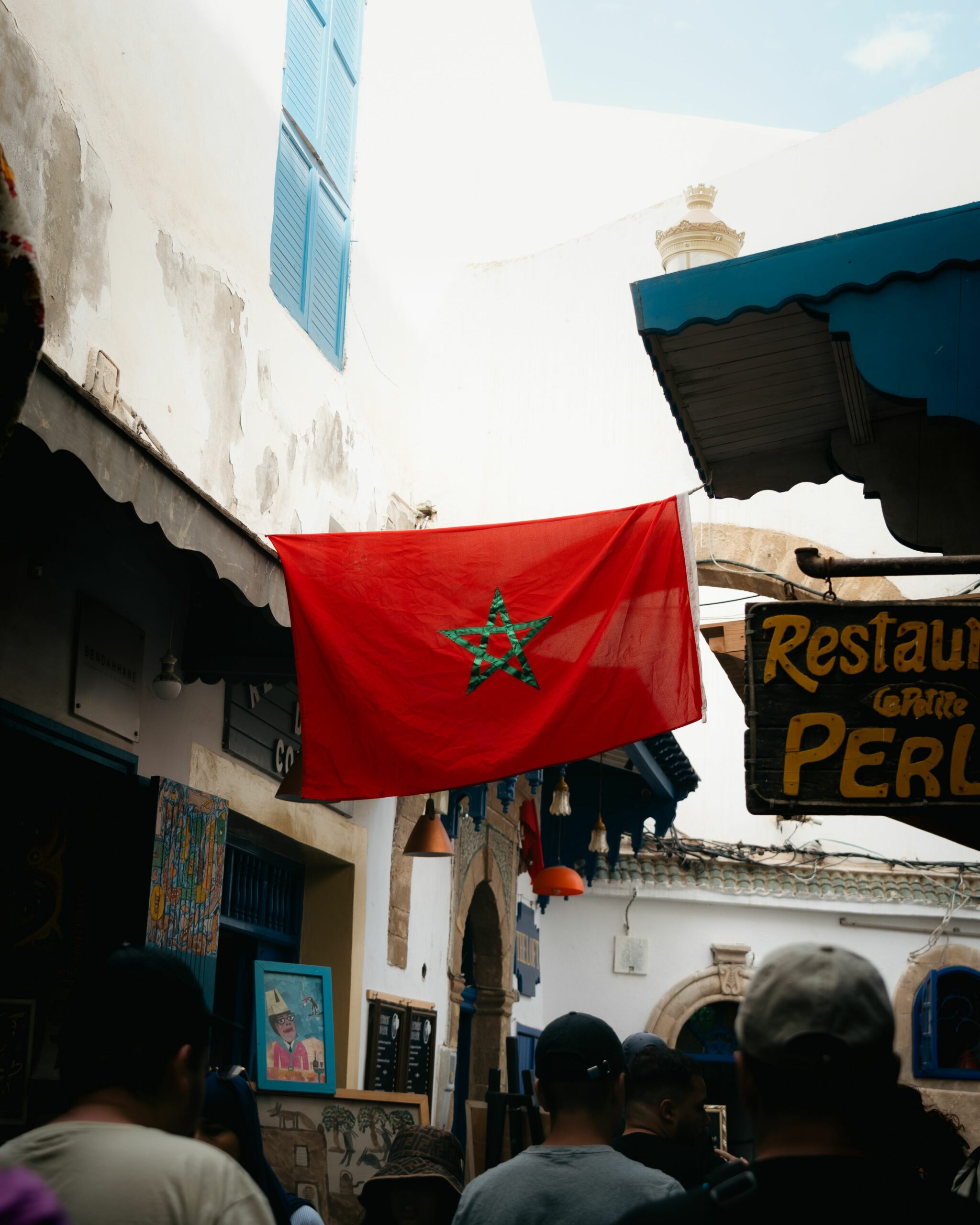
Why Learn a Few Moroccan Words Before Your Trip?
Learning a few words of the local language is not essential, but it can make your Moroccan experience more enjoyable.
A simple salam when entering a shop, shukran after receiving something or beslama when leaving can make interactions feel warmer. It also shows that you have made an effort to engage with the local culture.
Language can be especially useful when visiting souks. Knowing how to ask bshhal? (“how much?”) or recognize expressions relating to prices can make basic shopping conversations easier. The Moroccan National Tourist Office specifically recommends learning practical Darija vocabulary for interacting with locals and navigating markets.
For travelers interested in experiencing more than the major tourist sights, language is also a gateway to local culture. Exploring Morocco’s markets, villages, historic medinas and mountain communities becomes more rewarding when you can exchange even a few words with the people you meet.
Ready to Discover Morocco?
Experience Morocco beyond the language, from historic medinas and mountain villages to the Sahara Desert. Book your Morocco tour and discover the country with a local team.
Frequently Asked Questions
What is the main language spoken in Morocco?
Moroccan Darija is the main language used in everyday informal conversations, while Arabic and Amazigh are Morocco’s two official languages. French is also widely spoken and understood, and Spanish is particularly common in northern Morocco.
What are the two official languages of Morocco?
The two official languages are Arabic and Amazigh. Amazigh has official status alongside Arabic and is written using the Tifinagh alphabet.
Is Moroccan Arabic the same as standard Arabic?
No. Moroccan Arabic, known as Darija, is the everyday spoken variety used in Morocco. It differs from Modern Standard Arabic in pronunciation, vocabulary and some grammatical features.
Is French widely spoken in Morocco?
Yes. French is widely spoken and understood throughout Morocco and is especially useful in cities, tourism, business and professional environments.
Can I travel around Morocco speaking only English?
Yes, particularly if you stay in major tourist destinations and use hotels, restaurants and organized tours. However, English is not the main everyday language, so knowing some French or basic Darija can make communication easier.
What language should I learn before visiting Morocco?
For everyday interactions, Moroccan Darija is the best local language to learn. If you want a broader communication tool for hotels, restaurants and businesses, French is also highly useful.
So, what language is spoken in Morocco? The answer is more interesting than simply saying “Arabic.” Morocco has two official languages, Arabic and Amazigh, while Darija is widely used for everyday conversation. French is extensively used across the country, Spanish has a strong presence in northern Morocco and some southern areas, and English is increasingly useful in international tourism.
You do not need to master any of these languages before your trip. Learn a few Darija expressions, keep a translation app available when necessary, and do not be afraid to communicate with gestures or simple words. Whether you are exploring the medinas of Fez and Marrakech, traveling through the Atlas Mountains or heading toward the Sahara, a little local vocabulary can make your Moroccan journey feel more personal and memorable.