Mountain Travel Morocco: A Complete Guide to Morocco’s Mountains
Morocco is famous for its Sahara dunes, historic medinas, and Atlantic coast, but its mountains offer a completely different side of the country. Mountain travel Morocco takes you through dramatic valleys, Amazigh villages, high mountain passes, green terraces, rocky trails, and snow-covered peaks. From an easy day trip near Marrakech to a multi-day trek in the High Atlas, there are mountain experiences for different fitness levels and travel styles.
The High Atlas is the main destination for trekking, with Mount Toubkal reaching 4,167 meters above sea level. Yet you do not need to climb Morocco’s highest peak to enjoy the mountains. Places such as Imlil, Ourika Valley, and the surrounding Amazigh villages offer shorter walks, local food, beautiful viewpoints, and opportunities to experience mountain life without committing to a demanding expedition.
For travelers who want to combine hiking with a wider Morocco itinerary, mountain routes can also connect naturally with Marrakech, Ouarzazate, Fes, Tangier, and the Sahara. This makes mountain travel an excellent part of both short excursions and longer private Morocco tours.
Why Choose Mountain Travel in Morocco?
Mountain travel in Morocco is about much more than reaching a viewpoint. The landscape changes quickly as you leave the cities and climb into the Atlas foothills. Around Imlil, for example, you can walk between stone houses, walnut trees, terraced fields, and small streams while high peaks rise above the valley. In spring, the lower valleys can be green and covered with flowering trees, while winter can bring snow to the higher slopes.
The cultural side is just as important. Many Atlas villages are home to Amazigh communities whose daily life has developed around agriculture, livestock, and the mountain environment. During a hike, you may see farmers working terraced fields, donkeys carrying supplies, or villagers preparing traditional bread. A stop for mint tea or a homemade meal can turn a simple walk into a much more personal experience.
Food is another part of the mountain journey. After several hours on a trail, a hot vegetable or chicken tagine, couscous, Moroccan salad, fresh bread, and mint tea can feel very different from eating the same dishes in a city restaurant. Mountain lunches are often simple, but the setting matters: a terrace overlooking a valley or a small village house can make the meal memorable.
The mountains are also surprisingly accessible from Marrakech. If you arrive in Marrakech around noon, you can have lunch in the city, leave in the early afternoon, and reach the Imlil area later that day, depending on traffic and road conditions. For travelers with more time, a dedicated 5-day Atlas Mountains hiking tour provides several days to explore the landscape on foot rather than simply passing through it.
Exploring the High Atlas Mountains
Ready to Explore the Atlas Mountains?
Discover Morocco beyond the cities with scenic trails, Amazigh villages, mountain valleys, and unforgettable High Atlas landscapes. Choose an Atlas Mountains hiking experience that fits your time and travel style.
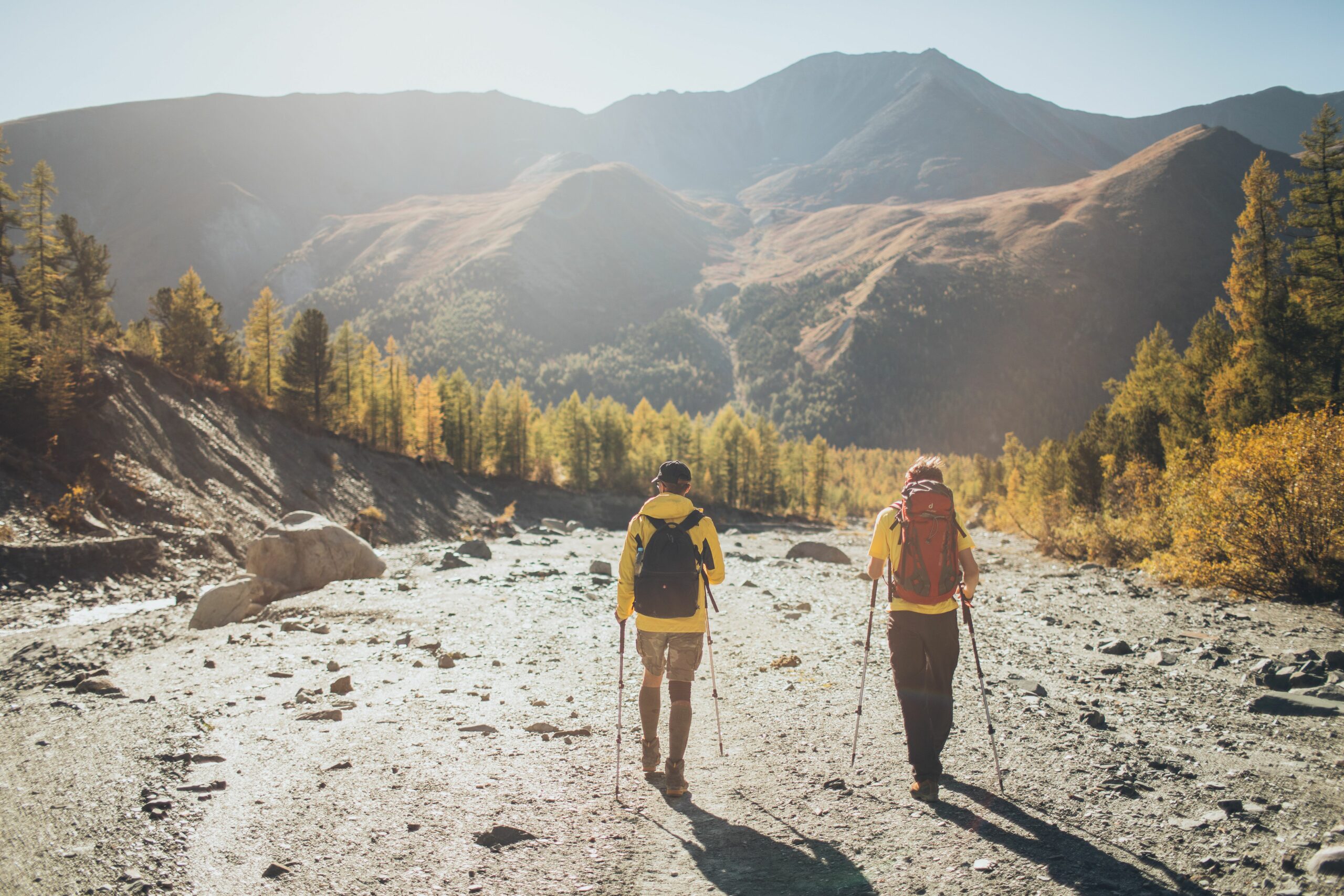
The High Atlas is the center of mountain travel in Morocco and contains the country’s highest peaks. Mount Toubkal stands at approximately 4,167 meters, making it the highest mountain in North Africa. The surrounding region includes deep valleys, mountain passes, rocky slopes, and traditional villages, with the landscape becoming increasingly rugged as the altitude rises.
Imlil is one of the most popular starting points for hiking in the area. Located roughly 65–70 kilometers from Marrakech by road and at an elevation of around 1,740 meters, the village is surrounded by walking routes leading toward Aroumd and other mountain communities. Shorter hikes can take two to five hours, while longer routes may involve significant elevation gain and several days of trekking.
You should consider altitude as carefully as distance. A 10-kilometer route with a steep climb can be much harder than a longer walk through a relatively flat valley. Weather also changes quickly in the mountains, and temperatures can drop considerably as you gain elevation. A route that feels comfortable in the morning may become more demanding later in the day.
These are useful general categories when choosing a mountain experience:
Difficulty | Duration | Approx. altitude | Suitable for |
Easy | 2–5 hours | 1,500–2,000 m | Beginners, families |
Moderate | 5–7 hours | 1,700–2,800 m | Regular hikers |
Multi-day | 3–8 days | 1,700–4,167 m | Experienced hikers |
If you want more time in the High Atlas, a 6-day Atlas Mountains hiking tour can provide a slower pace and more time for villages and mountain trails. Travelers who want a broader trekking experience can also explore the 5-day hiking tour in Morocco, depending on their preferred route and itinerary.
Imlil and Ourika Valley: Mountain Experiences Near Marrakech
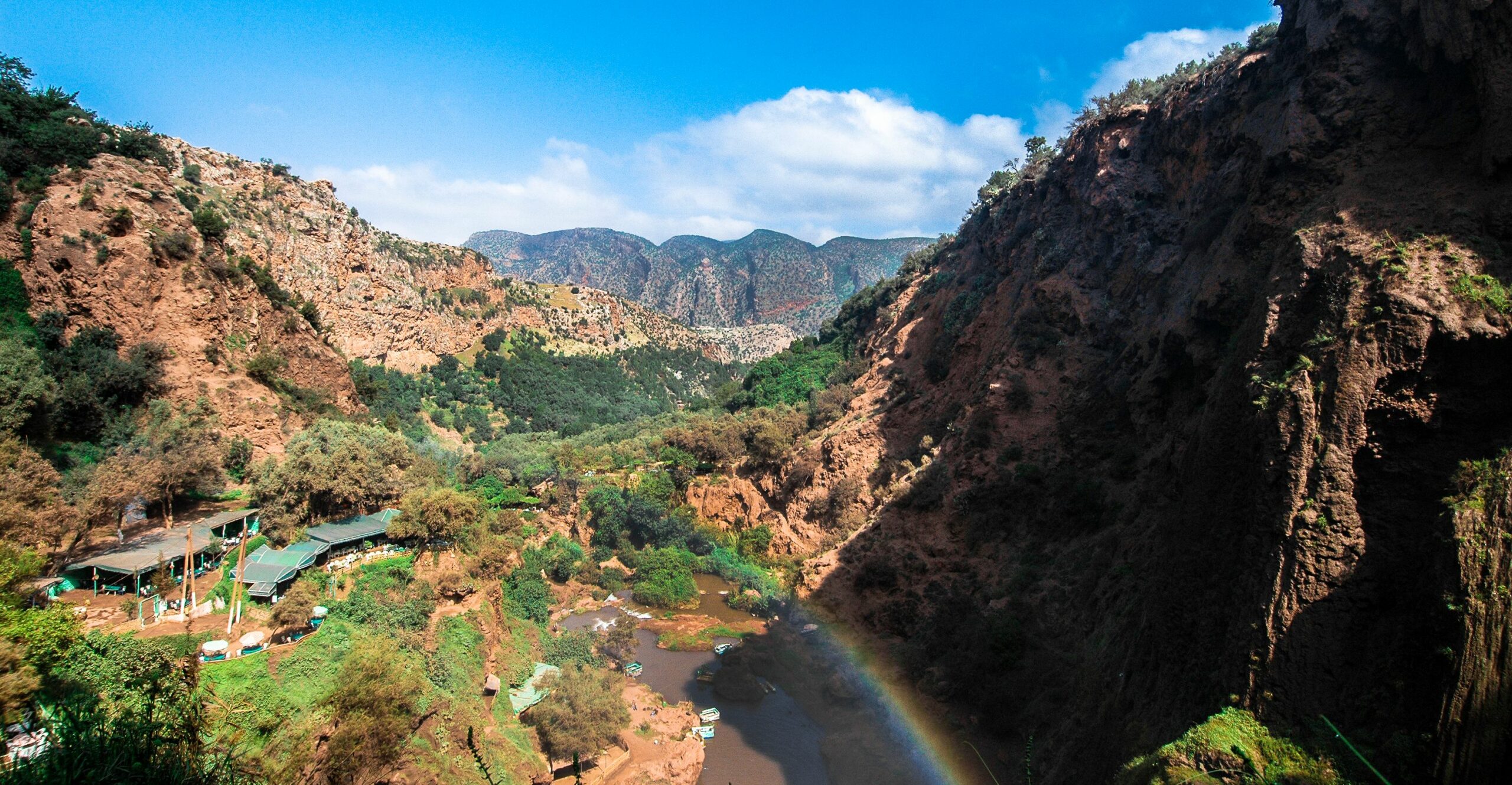
One of the biggest advantages of mountain travel Morocco is that you do not always need to spend several days away from the cities. The High Atlas begins relatively close to Marrakech, making places such as Imlil and the Ourika Valley practical for day trips and short mountain breaks.
Imlil is particularly well known among hikers because it provides access to several trails and mountain villages. The village itself sits at around 1,740 meters, so the climate can already feel noticeably cooler than Marrakech. From Imlil, travelers can walk through Aroumd and surrounding valleys, passing walnut trees, terraced fields, streams, and traditional stone houses.
The Ourika Valley offers a different experience. Located southeast of Marrakech, the valley follows the Ourika River and contains small villages, agricultural areas, mountain slopes, and walking routes. Setti Fatma is one of the best-known stops in the valley, particularly for travelers interested in short hikes and waterfalls. A day trip to the Ourika Valley from Marrakech works well if you want mountain scenery without dedicating several days to trekking.
Another option is to experience the mountains as part of the journey toward southern Morocco. The road from Marrakech to Ouarzazate crosses the High Atlas via the Tizi n’Tichka pass, which reaches more than 2,200 meters above sea level. The Marrakech to Ouarzazate day trip is therefore useful for travelers who want mountain scenery, high passes, and changing landscapes without a multi-day hiking commitment.
Hiking and Trekking in Morocco
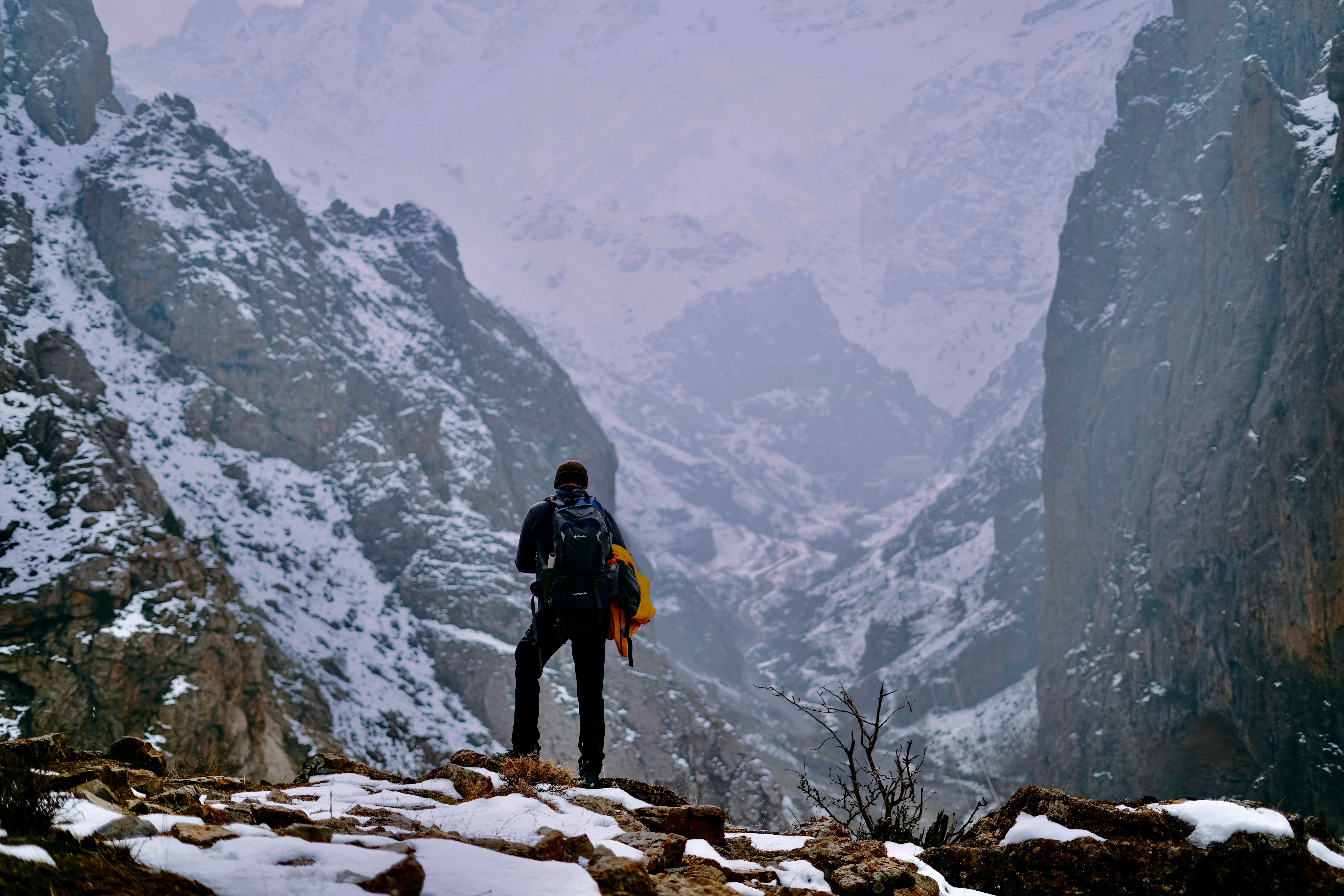
Hiking in Morocco ranges from short village walks to demanding multi-day treks. This variety means beginners can enjoy the mountains without attempting a high-altitude summit, while experienced hikers can choose routes involving longer walking days and substantial elevation gain.
A typical moderate hiking day can involve four to seven hours of walking. The trail may pass through several villages, climb a valley, cross a mountain path, and finish at a guesthouse or mountain lodge. Along the way, there are usually opportunities to stop for tea, take photographs, eat lunch, and speak with local people.
Multi-day trekking gives you a much deeper experience because you spend several nights in the mountain environment. Instead of returning to Marrakech every evening, you wake up in a village or lodge and continue walking the following morning. A 6-day hiking tour in Morocco can suit travelers who want several days on the trails, while a 7-day hiking tour in Morocco or 8-day hiking tour in Morocco allows even more time for mountain landscapes and rural communities.
Imagine arriving in Marrakech after spending several days exploring the medina. The next morning, instead of walking through another busy neighborhood, you leave early for the Atlas, start hiking around Imlil, eat lunch overlooking the valley, and spend the afternoon following a quiet mountain trail. Within a few hours, the environment has changed completely, which is one of the strongest reasons to include the mountains in a Morocco itinerary.
When Is the Best Time for Mountain Travel in Morocco?
The best time for mountain travel depends on altitude and the type of activity you want to do. Spring and autumn are generally comfortable for many hiking routes, while summer can be hot in lower valleys but pleasant at higher elevations. Winter brings snow and freezing temperatures to the highest parts of the Atlas, creating beautiful conditions but also more demanding trekking.
Season | Typical conditions | Best for |
Spring | Mild, greener valleys | Hiking, village walks |
Summer | Hot lowlands, cooler altitude | High-altitude trekking |
Autumn | Mild days, cool evenings | Hiking, trekking |
Winter | Cold, snow at altitude | Experienced hikers |
Spring can be particularly attractive around valleys such as Ourika because vegetation becomes greener after winter rainfall. Temperatures are usually more comfortable for long walking days, although snow may still be visible on higher peaks.
Summer is warmer around Marrakech and lower elevations, so early starts are important. At higher altitudes, temperatures can be much more comfortable, but strong sunlight remains a factor. Carry enough water, use sun protection, and avoid assuming that a cool mountain breeze means you cannot become dehydrated.
Autumn is another good period for walking, with cooler temperatures returning after summer. Winter is more complicated because snow can cover high-altitude trails, particularly around Toubkal. If you plan a winter trek, check the current conditions and make sure you have appropriate clothing and equipment.
Combining Mountain Travel With a Morocco Road Trip
Mountain travel does not have to be a separate part of your holiday. Many travelers combine the Atlas Mountains with Marrakech, Ouarzazate, the Sahara, Fes, or northern Morocco. This creates a more varied trip where mountain landscapes become part of a larger journey rather than the only destination.
From Marrakech, for example, you can explore the Atlas before continuing toward Ouarzazate and the Sahara. Travelers with more time can choose a 6-day Morocco tour from Marrakech or a 7-day tour from Marrakech and include mountain landscapes alongside other Moroccan destinations.
For travelers arriving in Fes, the route toward Marrakech provides another opportunity to combine cities and mountains. A 4-day Fes to Marrakech tour works for a shorter itinerary, while a 7-day Fes to Marrakech tour gives more time for stops and different landscapes along the way.
The same principle works for travelers starting in northern Morocco. A 4-day Tangier to Marrakech tour provides a shorter route south, while a 5-day Tangier to Marrakech tour allows more time to explore between the two cities.
The advantage is that you can experience several sides of Morocco in one journey: historic cities, mountain villages, high passes, valleys, and eventually the desert landscapes of the south.
Your Atlas Adventure Starts Here
Walk through remote valleys, discover Amazigh villages, and experience the High Atlas beyond the usual tourist routes. Find the right hiking tour and start planning your mountain adventure in Morocco.
What to Pack for a Mountain Trip in Morocco
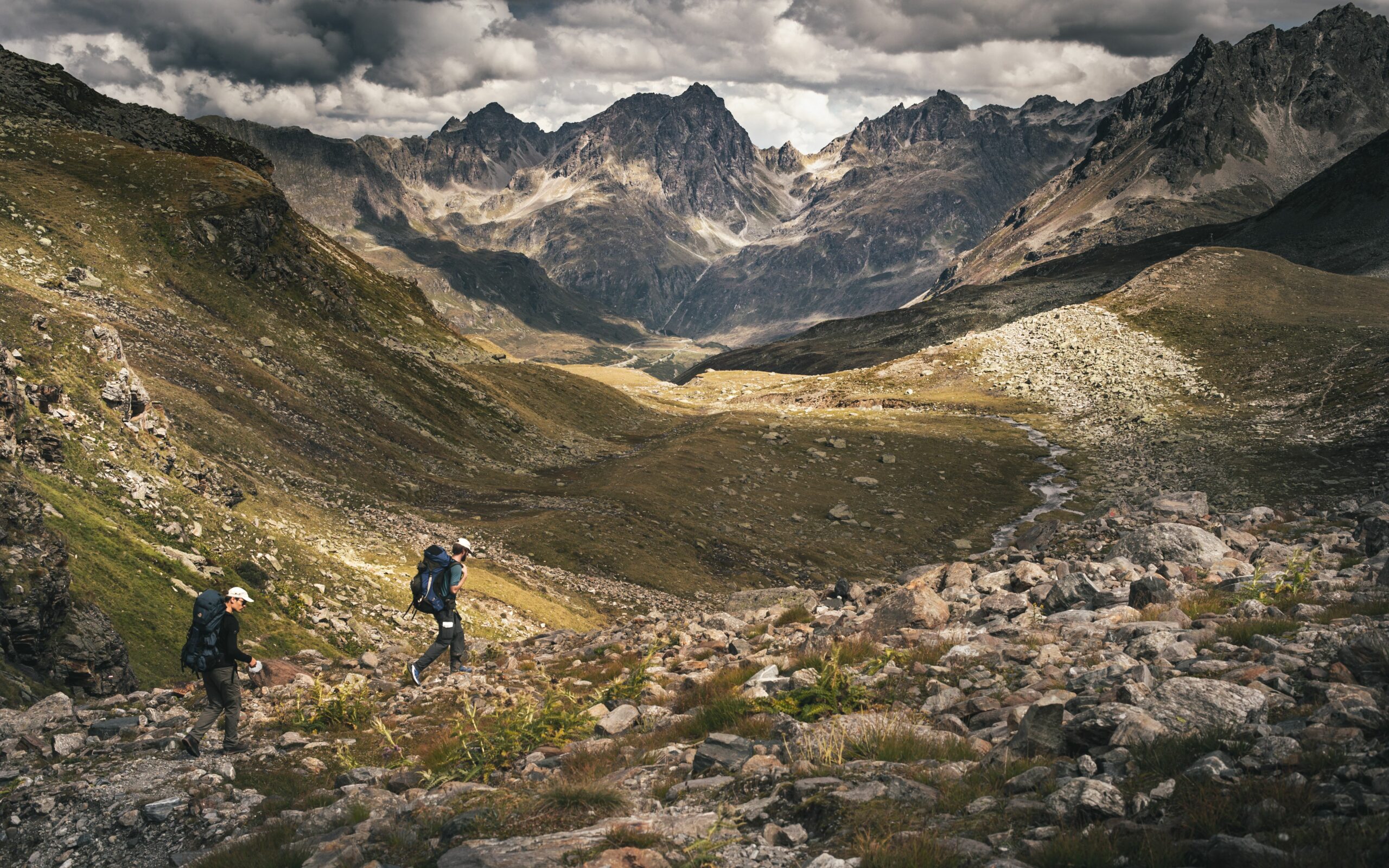
Mountain conditions can be very different from the weather in Marrakech or other low-altitude destinations. Even during warmer months, temperatures can fall quickly after sunset or when you reach higher elevations. Comfortable footwear and layers are therefore more useful than packing only according to the city forecast.
For a typical mountain excursion, keep these essentials with you:
- Comfortable hiking shoes with good grip for rocky and uneven trails.
- Lightweight layers that can be added or removed as temperatures change.
- A waterproof or windproof jacket for changing mountain weather.
- Sunglasses, sunscreen, and a hat for strong sun exposure.
- Reusable water bottles for longer walks and climbs.
- Small snacks such as dates, nuts, or energy bars for longer hiking days.
Food and water planning becomes increasingly important on longer routes. Mountain villages may have simple meals such as tagine, couscous, soup, bread, olives, and mint tea, but you should still carry water and snacks for the trail.
If you are leaving Marrakech in the morning wearing light city clothes, remember that the temperature around Imlil or at a higher mountain pass can feel very different. Keep an extra layer with you even when the Marrakech forecast looks warm.
Should You Book a Guided Mountain Tour?
A guided mountain tour can make the experience easier, particularly for travelers who do not know the Atlas Mountains. Local guides understand village routes, seasonal conditions, walking times, and changes in weather. They can also help organize accommodation, meals, transportation, and the daily pace on multi-day treks.
The cultural side is another advantage. A guide can explain how Amazigh communities live in the mountains, identify villages along the trail, and introduce travelers to local food and traditions. Instead of simply photographing a village, you can understand more about why homes, fields, and paths are arranged the way they are.
For beginners, families, and travelers visiting the region for the first time, this local knowledge can be particularly useful. Experienced hikers may choose more challenging routes, but local guidance remains valuable when the route reaches remote areas or weather conditions change unexpectedly.
Book Your Mountain Travel Experience in Morocco
Mountain travel Morocco can mean very different things depending on your time and interests. You can spend one day walking through the Ourika Valley, explore Imlil and its surrounding villages, or dedicate several days to trekking through the High Atlas. The important part is choosing a route that matches your fitness, season, and available time.
For a short mountain experience from Marrakech, the Ourika Valley is an accessible choice. For travelers who want serious hiking, the Atlas offers multi-day routes and high-altitude landscapes. If you prefer a wider Moroccan adventure, mountain scenery can be combined with Marrakech, Ouarzazate, Fes, Tangier, and the Sahara.
You can browse the full range of MT Morocco Travel tours to find an itinerary that fits your trip. Whether you want a dedicated hiking experience or a Morocco tour that includes the mountains as one part of a longer journey, planning the route around your available days will help you get more from the experience.
Frequently Asked Questions
Is Morocco good for mountain travel?
Yes. Morocco has several mountain ranges, with the High Atlas offering some of the country’s most impressive trekking opportunities. Travelers can choose between short valley walks, village hikes, multi-day trekking, and high-altitude routes around Mount Toubkal.
What is the easiest mountain experience from Marrakech?
The Ourika Valley and Imlil area are practical options for travelers staying in Marrakech. Both can be visited as day trips, while the exact difficulty depends on the walking route selected.
Can beginners hike in the Atlas Mountains?
Yes. Beginners can choose shorter walks through valleys and villages rather than attempting high-altitude routes. The important factors are walking time, elevation gain, weather, and your personal fitness level.
What is the best season for hiking in Morocco?
Spring and autumn generally offer comfortable conditions for many hiking routes. Summer can be suitable for higher elevations, while winter brings snow and colder conditions to the High Atlas.
How many days do I need for mountain travel Morocco?
One day can provide a good introduction to the mountains, while three to eight days allow a much deeper trekking experience. If you also want to visit the Sahara and major cities, a longer Morocco itinerary is more suitable.
Do I need a guide for hiking in Morocco?
For short and familiar routes, experienced hikers may travel independently, but a local guide is particularly useful for longer or remote routes. Guides can assist with navigation, local conditions, accommodation, meals, and cultural interpretation.
Mountain travel Morocco offers an opportunity to experience a side of the country that cannot be seen from its major cities alone. From the villages and valleys around Imlil to the high peaks of the Atlas, the mountains combine dramatic scenery with local culture, traditional food, and outdoor adventure.
Whether you have one day or more than a week, there is a mountain experience to fit your itinerary. Choose a short excursion from Marrakech, dedicate several days to hiking, or combine the Atlas Mountains with a wider Morocco road trip.
With the right route, season, and preparation, the Moroccan mountains can become one of the most memorable parts of your journey.