
Why Moroccan Food Tastes Different in a Family Home
When traveling through Morocco, it’s easy to judge the cuisine by what appears on tourist-filled plazas or hotel dining room tables. But ask any local, and they’ll tell you the exact same thing: the real culinary soul of the country never touches a printed menu.
To experience true Authentic Moroccan Food, you have to step past the restaurant doors. You have to pull up a seat at a family table, break warm khobz with your hands, and surrender to the slow, heart-filled ritual of home cooking.
From the smoky depths of a quiet neighborhood oven to the unwritten recipes passed down through generations, here is what Authentic Moroccan Food really tastes like and why the best meals in Morocco are always the ones made with love at home.
Why Moroccan Home Cooking Tastes Nothing Like a Restaurant
Restaurants cook for customers, but families cook with love
A commercial kitchen is built for speed and volume, but a Moroccan home kitchen operates on a completely different rhythm. In a restaurant, tagines are often assembled quickly to keep up with orders. At home, the same dish spends hours gently simmering over low heat, allowing every spice to fully meld with the meat and vegetables. That patience and care create a depth of flavor no shortcut can match.
Slow cooking isn’t just a recipe, it’s how we show you we care
In Moroccan culture, hospitality isn’t just polite; it’s a sacred duty. When a family spends all morning rendering onions, caramelizing spices, and tending to a clay vessel, it’s a direct expression of love and respect for their guests. Taking time to prepare a meal is how we say “you are honored here” before a single bite is taken.
Ask ten Moroccan moms for a tagine recipe, and you’ll get ten different stories
There is no single “standard” formula for Moroccan dishes. Every household carries its own distinct culinary signature, a pinch more cumin here, a secret splash of orange blossom water there, or a specific ratio of preserved lemons. If you ask ten Moroccan mothers how to make a classic lamb tagine, you won’t get ten recipes; you’ll get ten cherished family traditions.
What 'Authentic' Moroccan Food Really Means ( It’s Not on a Menu)
Recipes are never written down, they’re passed from generation to generation
You won’t find grease-stained cookbooks in a Moroccan kitchen. The secrets of Authentic Moroccan Food rely entirely on muscle memory, aroma, and visual intuition. Children learn by watching their mothers and grandmothers, feeling the texture of kneaded dough and smelling the precise moment spices bloom in warm oil.
Nothing is ever measured with rigid teaspoons. Instead, cooks rely on ainek mizanek, a cherished phrase meaning “your eye is your scale.” It’s an instinctive, living oral tradition that ensures Authentic Moroccan Food carries the soul and heritage of previous generations in every bite.
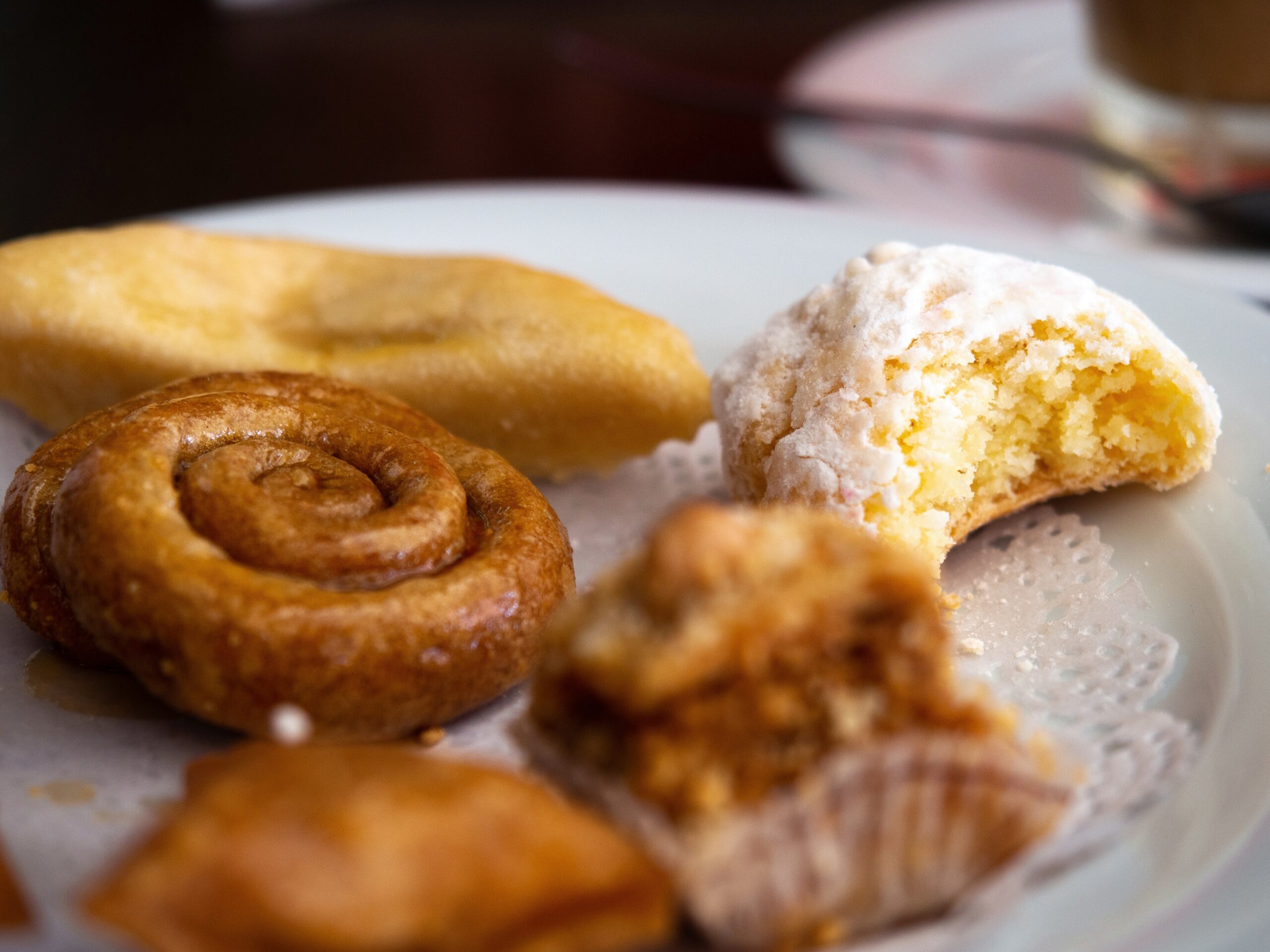
The magic is always in the little details you almost miss
The secret to Authentic Moroccan Food lives in tiny, thoughtful steps. It’s unpasteurized olive oil brought directly from a village press, hand-rubbed saffron threads steeped in warm water, or a dollop of smen (aged, salted clarified butter) stirred in at the very end. These subtle touches give the cuisine its complex, unmistakable character.
The unwritten rules: Why sharing from one big dish makes the food taste better
Moroccan meals are inherently communal. Food is served in a single, large terracotta tagine or platter placed right in the center of the table. Everyone eats from their designated wedge of the dish using pieces of crusty bread. This shared style of dining breaks down barriers instantly, turning strangers into friends over a single shared meal.
The Meals That Make You Feel Like Part of the Family
Friday Couscous: The weekly tradition that brings everyone back home
Friday in Morocco is dedicated to prayer and family, and the centerpiece of the day is always a steaming bowl of Authentic Moroccan Food. Hand-rolled semolina grains are steamed three separate times over a rich vegetable and meat broth until impossibly fluffy. Recognizing its immense cultural value and deep roots in home cooking, the tradition of Moroccan couscous was officially inscribed on the UNESCO Intangible Cultural Heritage list.
The everyday tagine: Simmering gently while laughter fills the house
On any given afternoon, the quiet hum of a home is accompanied by the soft hiss of a conical clay tagine resting over a low flame. This is where you find the true heart of Authentic Moroccan Food. Whether it’s tender chicken with preserved lemon and olives or slow-cooked beef topped with sweet caramelized prunes, the dish gently simmers for hours while family members gather in the living room to catch up on the day.
Breaking the fast: How a hot bowl of Harira feels like a warm hug
Harira is Morocco’s iconic, velvety soup made from tomatoes, lentils, chickpeas, fragrant herbs, and warm spices like cinnamon and ginger. As a staple of Authentic Moroccan Food, it serves as the traditional centerpiece for breaking the daily fast during Ramadan. However, a piping hot bowl served alongside sweet dates and chebakia pastries feels deeply comforting on any chilly evening throughout the year.
Fresh bread and homemade salads: The real stars of the table
No authentic Moroccan table is complete without khobz—the round, dense flatbread baked daily in neighborhood ovens. It acts as your fork, spoon, and napkin all in one. Surrounding the main dish is always an colorful array of cooked, seasoned salads like zaalouk (smoky eggplant and tomato) or sweet roasted peppers, bringing essential texture and flavor to any meal of Authentic Moroccan Food.
Pouring mint tea: The sweetest way we say “You are welcome here”
Known affectionately as “Berber whiskey,” fresh green tea brewed with generous handfuls of spearmint and sugar is the universal symbol of hospitality across the country. Poured from high above to create a delicate foam rim (the crown), accepting a glass of tea is the sweet beginning of every meal and every meaningful connection around Authentic Moroccan Food.
Traditional Secrets You Only Learn Inside a Moroccan Home
The neighborhood oven (Ferran)
In traditional medinas, many homes don’t bake their daily bread in their own kitchens. Instead, children carry wooden boards covered with risen dough to the local neighborhood communal wood-fired oven (ferran). The master baker knows every family’s distinct mark stamped into the dough, baking dozens of loaves over glowing wood embers to give the bread its signature smoky crust an essential element of Authentic Moroccan Food.
Ditching the forks
To truly taste Authentic Moroccan Food, you have to put down the metal cutlery. Eating with the thumb and first two fingers of your right hand using a piece of warm, freshly baked bread completely changes your relationship with the meal. It allows you to feel the temperature, gauge the texture, and curate the perfect bite of sauce, meat, and vegetables every single time.
Taste the Real Morocco on the Road
Experiencing real home cooking is one of the most unforgettable highlights of traveling through North Africa. When you travel across the country, whether crossing mountain passes or staying in desert camps on our 3 Days Desert Tour from Marrakech to Fes or taking a slower pace on our 4 Days Tour from Marrakech to Fes, you’ll discover the genuine warmth, flavors, and hospitality that make MT Morocco Travel journeys so special.