
Moroccan Traditional Crafts: Leather, Pottery, Woodwork, and More
Moroccan traditional crafts are a window into the country’s history, culture, and daily life. Each handmade product tells a story, whether it’s a leather bag from Fez, a Zellige tile from Marrakesh, or a cedar wood carving from Essaouira. Moroccan crafts are renowned for their beauty, precision, and symbolism. They reflect the creativity and skill of generations of artisans who have preserved their traditions despite modernization.
These crafts are not just decorative—they are functional, sustainable, and carry cultural significance. For travelers, exploring Moroccan crafts offers a deeper understanding of the country’s identity and the opportunity to connect with local artisans in meaningful ways.
Major Types of Moroccan Crafts
Traditional Tanning and Dyeing Methods
Moroccan leather, especially produced in Fez and Marrakesh, is renowned for its softness, durability, and exceptional quality. The tanning process is entirely traditional, relying on natural substances such as oak bark, pigeon droppings, and plant-based dyes, which gradually transform raw animal hides into supple leather. The process can take several weeks, involving soaking, sun-drying, softening, and coloring by hand. This attention to detail ensures that each leather piece not only lasts decades but also develops a unique texture and aroma over time, reflecting its handmade authenticity.
Handmade Leather Products
Artisans craft a wide range of leather goods, including babouches (traditional slippers), handbags, belts, jackets, and wallets. Each item is unique, often featuring hand-stitched patterns, embossed designs, or painted motifs inspired by Berber and Arab artistic heritage. These products blend practicality with art, providing everyday functionality while showcasing Morocco’s cultural identity.
Visiting Tanneries
Tourists can visit historic tanneries like the Chouara Tannery in Fez, one of the oldest leather production sites in the world. Visiting a tannery offers a firsthand view of the meticulous processes involved—from soaking and dyeing to drying and finishing—and allows travelers to understand the craftsmanship that transforms raw hides into luxury items.
Pottery and Zellige Tiles
Regional Styles of Pottery
Pottery in Morocco varies significantly by region, each offering unique styles and color palettes. Fez pottery is known for its elegant blue-and-white designs, often featuring complex geometric or floral patterns. Safi, another pottery hub, produces colorful and expressive hand-painted ceramics, frequently used for both cooking and decoration. In southern Morocco, artisans create simpler, utilitarian pottery that maintains durability while reflecting local aesthetics.
Zellige Tile Art and Techniques
Zellige, the iconic Moroccan mosaic tiles, are crafted from clay and natural pigments, then meticulously cut into precise shapes to create intricate geometric patterns. These tiles are commonly used in fountains, palace walls, mosques, and riads, reflecting centuries of Islamic design influence. The process involves hand-cutting each tile, assembling them piece by piece, and sealing them to achieve a flawless finish, often requiring days or even weeks for a single mural.
Practical and Decorative Uses
Zellige and pottery serve dual purposes: functional and decorative. While pottery is used for cooking, storage, and serving, Zellige transforms architectural spaces, infusing homes, gardens, and public buildings with artistic expression. The versatility of these crafts highlights Moroccan ingenuity and the seamless blending of art with daily life.
Woodwork and Carving
Cedar Wood Craftsmanship
Cedar wood, native to the Middle Atlas mountains, is a prized material in Moroccan woodworking. Its natural scent, durability, and softness make it ideal for creating furniture, doors, panels, and decorative items. Artisans often spend months carving intricate designs into raw wood, combining geometric precision with floral or symbolic motifs.
Furniture, Doors, and Decorative Panels
Traditional Moroccan furniture and architectural panels are renowned for their complex patterns, precision, and elegance. Doors and ceilings in historic riads and mosques showcase hand-carved cedar wood with designs that often symbolize protection, prosperity, or spiritual guidance.
Wood Carving Workshops
Visitors can explore workshops in cities like Essaouira and Fez, where artisans demonstrate their craft, from raw wood shaping to the final carved masterpiece. Participating in workshops allows travelers to experience the tactile process, learning techniques while appreciating the skill required for each piece.
Metalwork and Jewelry
Silver Jewelry and Berber Designs
Berber silver jewelry is a hallmark of Moroccan craftsmanship. Artisans produce bracelets, rings, necklaces, and pendants using traditional motifs that convey identity, status, protection, or spiritual meaning. Each piece is individually hammered, engraved, and polished, resulting in a unique item that reflects tribal heritage and centuries of artistic evolution.
Brass and Copper Artisan Products
Moroccan artisans also excel in brass and copper craftsmanship. Items such as lanterns, trays, teapots, and decorative plates are hand-hammered, engraved, and polished. These products combine functionality and artistic beauty, often featuring complex floral or geometric patterns that showcase Morocco’s rich metalworking tradition.
Symbolism and Meaning
Patterns and motifs in metalwork carry cultural and spiritual significance, symbolizing protection, prosperity, or social identity. Purchasing metalwork is not just acquiring a decorative item—it is bringing home a piece of Moroccan cultural storytelling.
Popular Destinations for Private Morocco Tours
Cities Famous for Moroccan Crafts
Morocco is home to several cities where traditional craftsmanship thrives. Each city has its own specialties, influenced by local culture, history, and available materials. Visiting these cities offers travelers an immersive experience in Moroccan artisan culture.
Fez — Leather and Pottery
Fez is considered the spiritual and cultural heart of Moroccan craftsmanship. The city’s medina is a UNESCO World Heritage site, filled with ancient leather tanneries and pottery workshops. The Chouara Tannery is one of the oldest leather production sites in the world, where visitors can watch hides being soaked, dyed, and dried using traditional methods. Fez is also famous for ceramic workshops, particularly in the Fes pottery quarter, where artisans create blue-and-white hand-painted pottery, reflecting centuries of artistic refinement.
Marrakesh — Textiles, Leather, and Metalwork
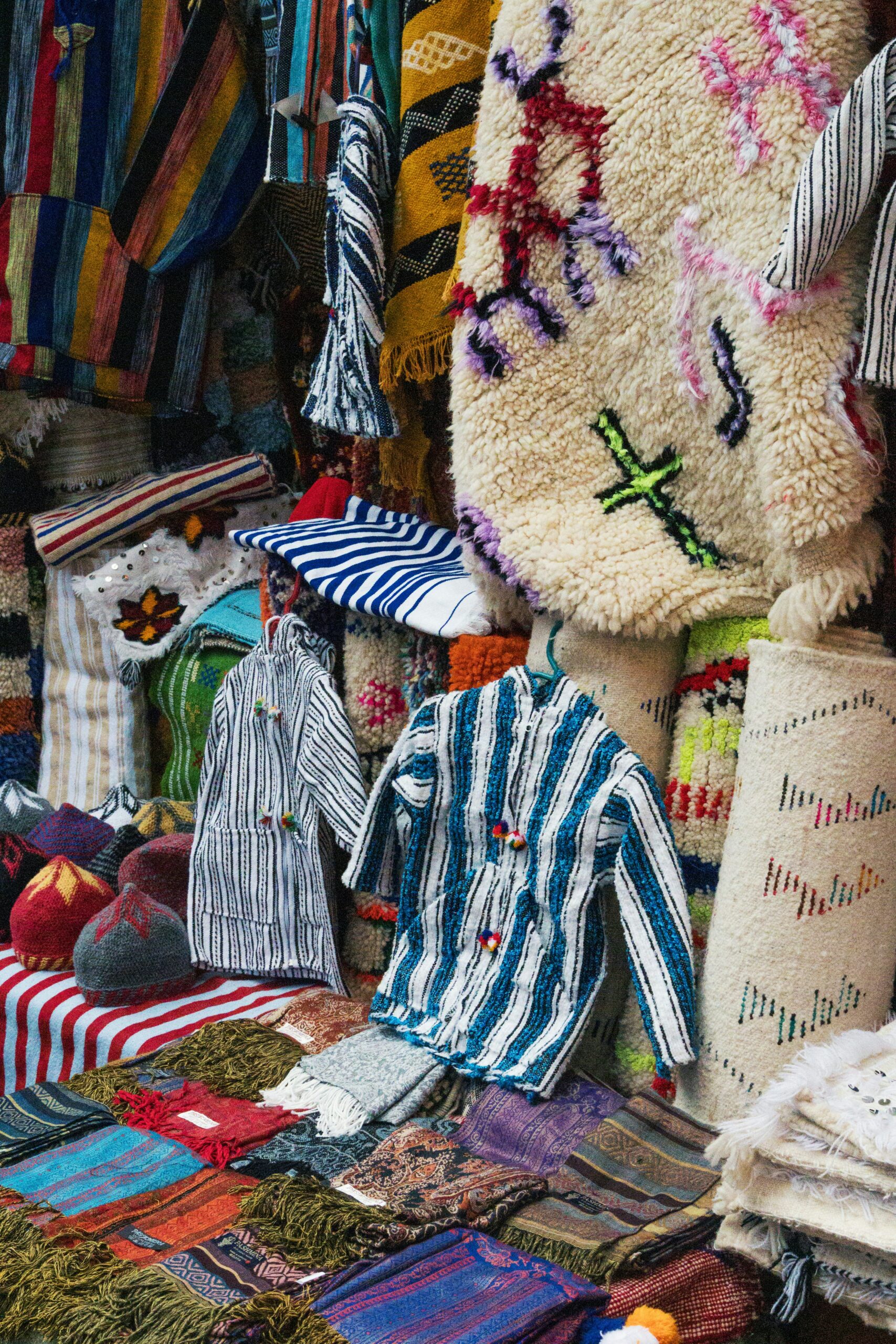
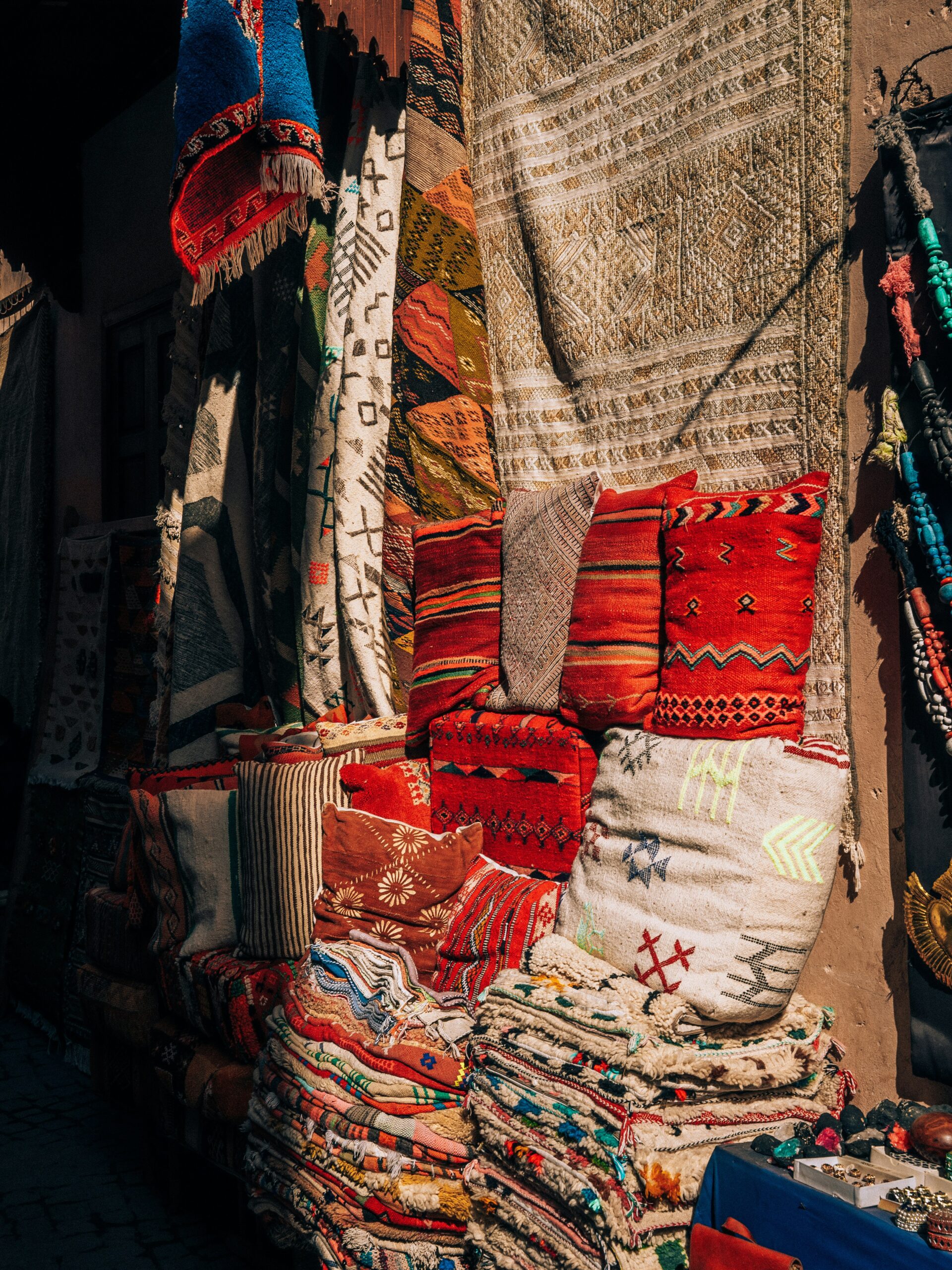
Marrakesh is renowned for its vibrant souks, where visitors can find handwoven textiles, colorful rugs, leather goods, and intricate metal lanterns. The city’s artisans are experts in copper and brass metalwork, producing teapots, trays, and lamps using traditional hammering and engraving techniques. Marrakesh also offers workshops where tourists can participate, giving them hands-on experience in Moroccan crafts.
Essaouira — Wood Carving and Artistic Heritage
Essaouira, a coastal city, is famous for cedar wood carving and artisanal workshops. Local artisans create furniture, decorative panels, and hand-carved wooden doors. The city’s artistic legacy combines Berber, Arab, and Portuguese influences, producing distinctive designs appreciated by collectors and tourists alike.
Meknes — Decorative Crafts
Meknes specializes in ornamental crafts, including detailed pottery, carved wood, and hand-painted ceramics. Its medina contains hidden artisan workshops that preserve centuries-old techniques and provide insight into Morocco’s decorative traditions.
Tetouan — Andalusian Influences in Crafts
Tetouan reflects strong Andalusian influence, especially in tile work, embroidery, and ceramics. The city’s craftsmanship stands out for its precision, delicate patterns, and historical continuity, making it an essential destination for travelers interested in Moroccan artisanal heritage.
Experiencing Moroccan Crafts as a Tourist
Visiting Morocco to explore its Moroccan traditional crafts is a rich cultural experience. Travelers can witness the full process of creation, interact with artisans, and even try their hand at certain techniques.
Visiting Artisan Workshops
Workshops in Fez, Marrakesh, and Essaouira allow visitors to see artisans at work, creating products from scratch. Observing these skilled craftsmen provides insight into the patience, expertise, and creativity required to produce each piece of Moroccan traditional crafts.
Observing Handmade Techniques
Techniques such as leather tanning, hand-knotting carpets, pottery shaping, and wood carving are passed down through generations. Watching these processes helps visitors understand the historical and cultural significance behind each piece of Moroccan traditional crafts.
Participating in Craft Workshops
Many workshops encourage tourists to participate in crafting activities. Visitors can try weaving, pottery, tile assembly, or metal engraving, creating a personal connection to Moroccan artisanal culture and authentic Moroccan traditional crafts.
Cultural Exchange with Local Artisans
Interacting with local craftsmen fosters cultural exchange, allowing travelers to learn about Moroccan traditions, beliefs, and lifestyles, making their visit not just a sightseeing trip but an educational journey through Moroccan traditional crafts.
Buying Authentic Moroccan Handicrafts
Purchasing crafts in Morocco is an experience in itself. To ensure authenticity and cultural value, tourists should be mindful of several factors.
How to Identify Authentic Products
Authentic Moroccan crafts are handmade, use natural materials, and often feature unique designs. Handmade imperfections add character and guarantee originality.
Differences Between Handmade and Mass-Produced Items
Handmade items are durable, culturally significant, and unique, while mass-produced items are typically cheaper but lack authenticity and artistry.
Shopping Tips in Souks and Markets
Visitors should explore local souks, compare prices, and look for small artisan shops. Observing artisans at work is often the best way to ensure genuine products.
Responsible and Ethical Buying
Supporting artisans directly helps preserve traditional crafts. Buying responsibly ensures economic benefits for local communities and encourages the continuation of artisanal skills.
Moroccan Crafts as Unique Souvenirs
Moroccan crafts make excellent souvenirs because they carry stories, culture, and craftsmanship.
Best Handmade Items to Take Home
Leather bags, Zellige tiles, carved wooden panels, silver jewelry, and handwoven carpets are popular souvenirs. Each item represents a piece of Moroccan heritage.
Cultural Value and Stories Behind the Products
Souvenirs reflect the history, symbolism, and artistry of Moroccan crafts. Knowing the story behind an item adds meaning and appreciation.
Transporting Fragile Crafts Safely
Fragile items like ceramics and Zellige tiles require careful packaging. Travelers are advised to wrap items in bubble wrap, use sturdy boxes, and handle with care to ensure they reach home intact.
Challenges and Preservation of Moroccan Crafts
Despite their beauty and cultural importance, Moroccan crafts face challenges in the modern era.
Threats from Mass Production and Modernization
Cheap, machine-made items threaten traditional artisan livelihoods. Mass production reduces demand for authentic handmade products, putting artisan communities at risk.
Efforts to Preserve Skills and Traditions
Organizations, festivals, and museums are actively promoting traditional crafts. Training programs for young artisans ensure that skills are passed to future generations, keeping Moroccan craftsmanship alive.
Moroccan traditional crafts are a living testament to the country’s rich history, artistic talent, and cultural identity. From leather and pottery to woodwork, metalwork, and Zellige tiles, each handmade item reflects generations of skill, patience, and creativity. For travelers, exploring artisan workshops, learning about crafting techniques, and purchasing authentic products offers a deep cultural connection to Morocco.
Plan your Moroccan journey today, visit artisan workshops, and take home unique handcrafted souvenirs that tell the story of Moroccan craftsmanship. By supporting local artisans, you contribute to preserving centuries-old traditions and sustaining Morocco’s cultural heritage.