Mountain Travel Morocco: Amazing Atlas Adventures Await
Mountain travel Morocco is one of the most rewarding ways to experience the Kingdom’s raw landscapes, ancient Berber culture, and dramatic peaks. From the snow-capped summits of the High Atlas to the rolling hills of the Rif and the arid ridges of the Anti-Atlas, Morocco’s mountain ranges offer something no beach or medina tour can match: silence, altitude, and authentic village life. Whether you are an experienced trekker chasing Mount Toubkal’s summit or a traveler who simply wants a scenic day trip from Marrakech, mountain travel in Morocco delivers unforgettable memories at every elevation.
Why Mountain Travel Morocco Attracts Adventurers Worldwide
Morocco sits at a unique crossroads of geography, where the Sahara Desert, the Atlantic coast, and three major mountain ranges meet within a few hours’ drive of each other. This is exactly why mountain travel Morocco has grown into a bucket-list experience for hikers, photographers, and cultural travelers alike. The High Atlas alone is home to North Africa’s highest peak, Mount Toubkal (4,167m), while lesser-known ranges like the Anti-Atlas and Rif Mountains offer quieter trails, dramatic gorges, and traditional Amazigh (Berber) villages largely untouched by mass tourism.
Best Regions for Mountain Travel Morocco: Atlas, Rif & Anti-Atlas
Mountain travel Morocco is not a single experience — it spans several distinct regions, each with its own character:
- High Atlas Mountains: The most popular choice, home to Toubkal National Park, Imlil village, and the dramatic Ourika and Ouzoud valleys.
- Anti-Atlas Mountains: A quieter, rockier range near Tafraoute, known for pink granite formations and almond blossoms in spring.
- Rif Mountains: In the north near Chefchaouen, these forested hills offer cooler trekking routes and access to Talassemtane National Park.
- Middle Atlas: Cedar forests, Barbary macaques, and the mountain city of Ifrane make this a distinct alpine-feeling detour.
If you want a curated route through these regions, our Atlas Mountains tours combine the best valleys and villages into one seamless itinerary.
Top Mountain Travel Morocco Routes and Trekking Trails
For travelers planning mountain travel Morocco itineraries, a handful of routes stand out:
- Imlil to Toubkal Summit (2–3 days): The classic trek for those wanting to stand on North Africa’s rooftop.
- Ourika Valley Day Hike: A gentle, scenic option for travelers based in Marrakech with limited time.
- M’Goun Massif Trek: A longer, less-crowded alternative through Berber valleys and river gorges.
- Chefchaouen to Talassemtane: Forested trails around the Blue City, ideal for a cooler-weather trek.
Many of these routes can be combined with our multi-day Morocco desert and mountain tours, which link mountain treks with Sahara excursions for a complete overland experience.
Mountain Travel Morocco: Best Time to Visit
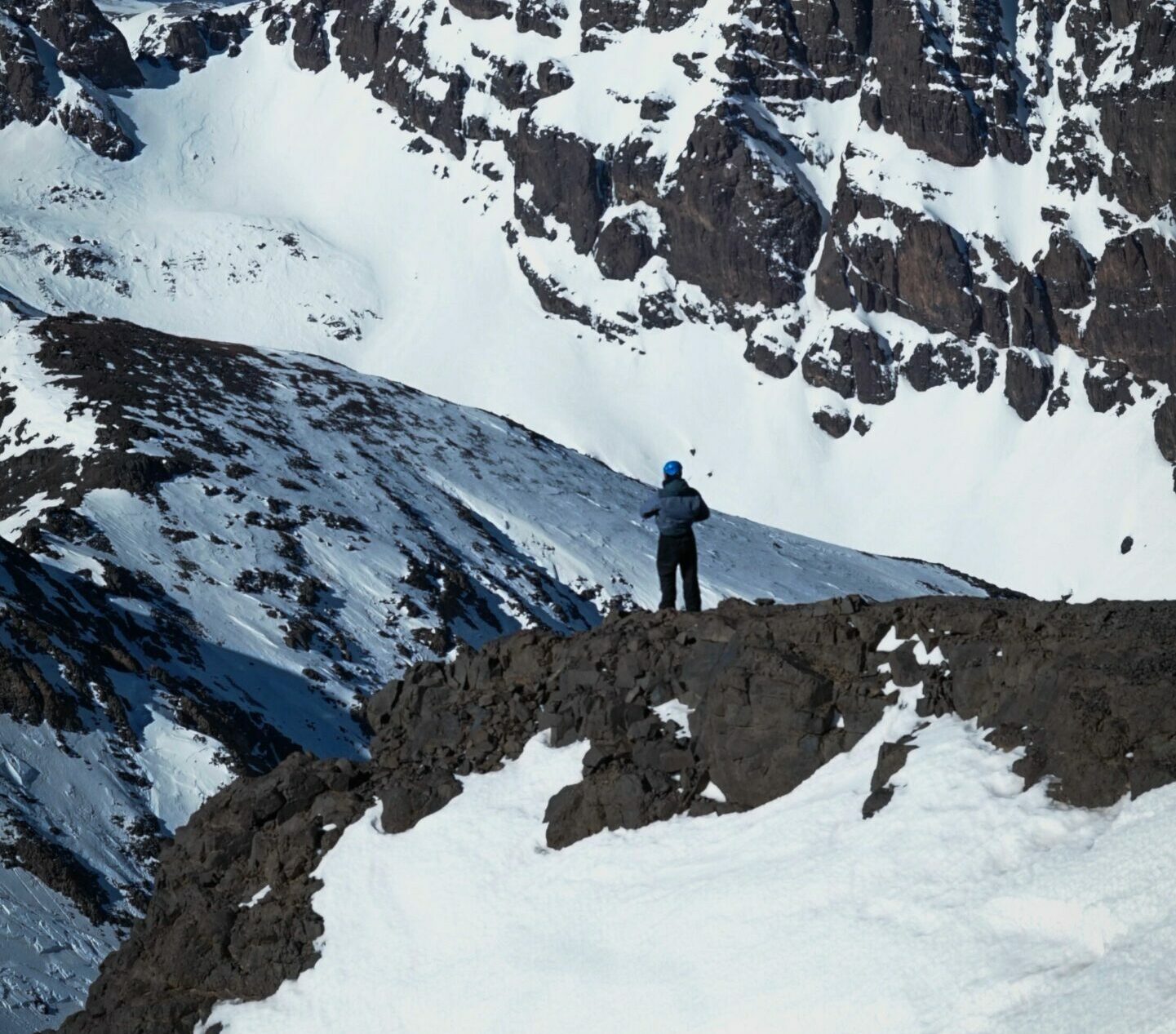
Timing matters enormously for mountain travel Morocco. Spring (March–May) and autumn (September–November) offer the most comfortable temperatures for trekking, with clear skies and blooming valleys in the Anti-Atlas. Summer (June–August) is best reserved for higher altitudes like Toubkal, since lower valleys can be uncomfortably hot. Winter (December–February) brings snow to the High Atlas, which is spectacular for photography but requires proper gear and an experienced guide for higher trails. Check our full Morocco travel guide before booking your trek.
What to Pack for Mountain Travel Morocco
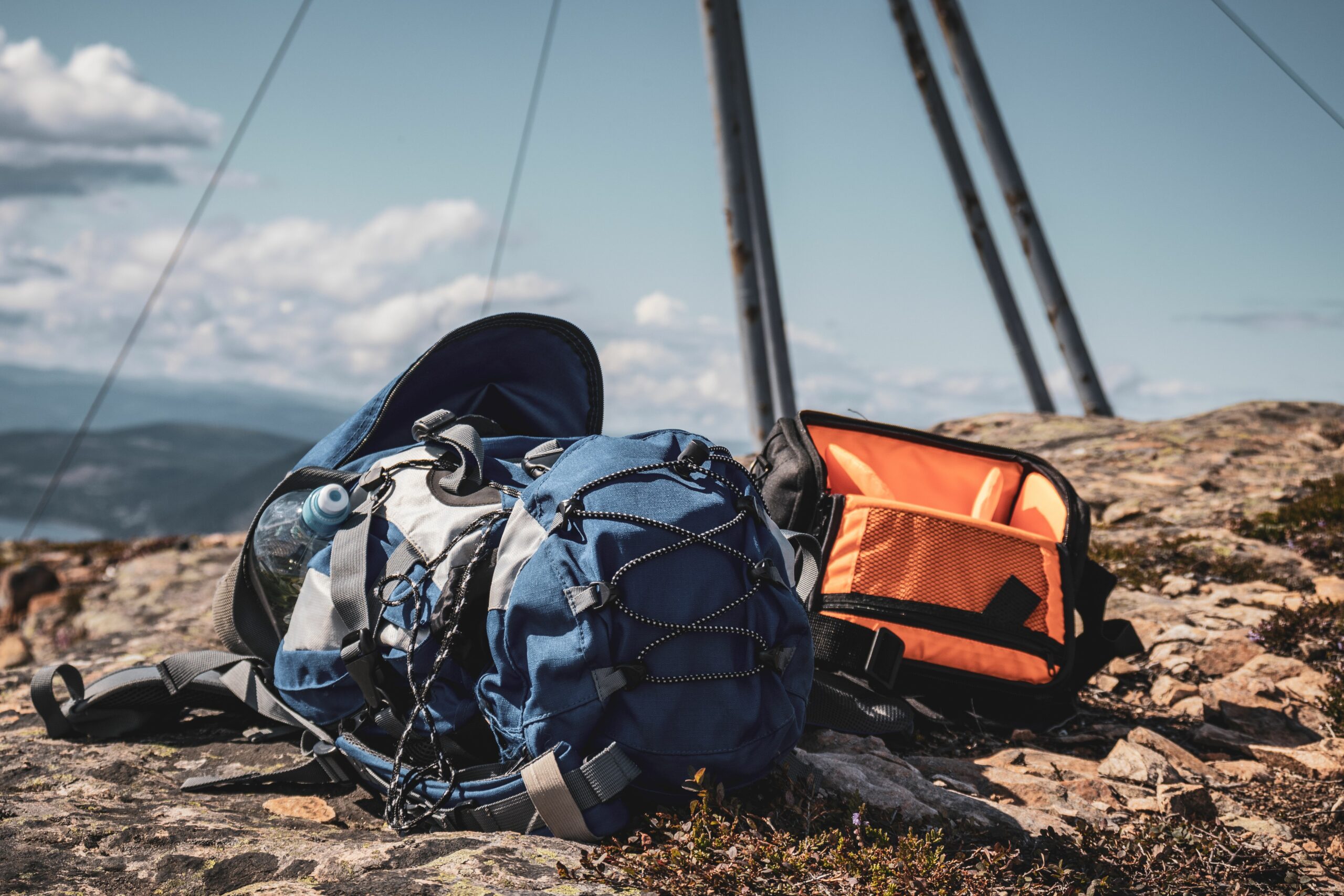
Packing right makes or breaks a mountain travel Morocco trip. Essentials include:
- Sturdy, broken-in hiking boots
- Layered clothing (temperatures swing sharply between day and night)
- A warm jacket, even in summer, for higher elevations
- Sunscreen, a hat, and polarized sunglasses
- A refillable water bottle and basic first-aid kit
- Cash in Moroccan dirhams, since rural mountain villages rarely accept cards
Mountain Travel Morocco with Local Guides: Culture & Safety
One of the most valuable parts of mountain travel Morocco is the chance to connect with Amazigh (Berber) communities who have lived in these ranges for centuries. Hiring a certified local guide is not only safer on unmarked trails and changeable weather, it also supports village economies directly through guesthouses, mule rentals, and homestays. Our team works with licensed mountain guides across the Toubkal region and beyond — see our guided trekking experiences for options ranging from single-day hikes to week-long expeditions.
Mountain Travel Morocco Costs and Trip Planning Tips
Budgeting for mountain travel Morocco depends heavily on trek length, guide fees, and accommodation style (mountain refuge vs. guesthouse vs. camping). A day hike from Marrakech is typically the most affordable option, while multi-day treks with a guide, mule support, and full board cost more but include meals, permits, and equipment. Booking through a licensed local operator ensures fair pricing, trained guides, and support in case weather or trail conditions change your plans.
FAQ’s – Mountain Travel Morocco
Is mountain travel in Morocco's Atlas Mountains safe for tourists?
Yes, mountain travel Morocco is generally safe, especially with a licensed local guide. Popular routes like Imlil and Toubkal are well-established, though weather and altitude should always be respected.
What is the best mountain range to visit in Morocco?
The High Atlas near Marrakech is the most popular choice for mountain travel Morocco, but the Rif Mountains near Chefchaouen and the Anti-Atlas near Tafraoute offer quieter alternatives.
How many days do I need for mountain travel in Morocco?
A day trip from Marrakech to the Ourika or Imlil valleys is enough for a taste of the mountains, while a proper Toubkal summit trek for mountain travel Morocco usually takes 2–3 days.
Which Moroccan mountain village is best for an overnight stay?
Imlil, in the High Atlas near Marrakech, is the most popular base for mountain travel Morocco overnight stays, offering guesthouses, mule transport, and easy access to trailheads.
Mountain travel Morocco offers a side of the country that many visitors never discover: quiet valleys, welcoming Berber villages, and some of the most dramatic scenery in North Africa. Whether you choose a short day hike in the Ourika Valley or a multi-day summit push on Mount Toubkal, planning ahead with the right season, gear, and local guide will turn your trip into one of the highlights of your Morocco journey.