Traditional Clothing in Morocco — Explore Moroccan Fashion and Heritage
Moroccan traditional clothing is one of the most colorful and culturally significant aspects of the country. Beyond mere garments, Moroccan attire reflects centuries of history, regional diversity, and social identity. From the flowing djellaba worn by men and women in daily life to the elaborate kaftans and takchitas of weddings and special ceremonies, each piece tells a story of Moroccan craftsmanship and heritage.
Traditional clothing is not only about aesthetics; it is deeply tied to Moroccan customs, religious practices, and societal norms. Different regions, from the bustling medinas of Fez and Marrakesh to the coastal towns like Essaouira, have developed unique styles, fabrics, and embroidery techniques that distinguish their local identity.
For travelers, exploring Moroccan clothing offers a unique insight into the country’s rich culture. Souks, artisan workshops, and fashion exhibitions allow visitors to experience firsthand the skill, creativity, and passion of Moroccan artisans. Observing and even trying on traditional garments provides an immersive cultural experience that goes beyond sightseeing, creating lasting memories of Morocco’s vibrant traditions.
History of Moroccan Traditional Clothing
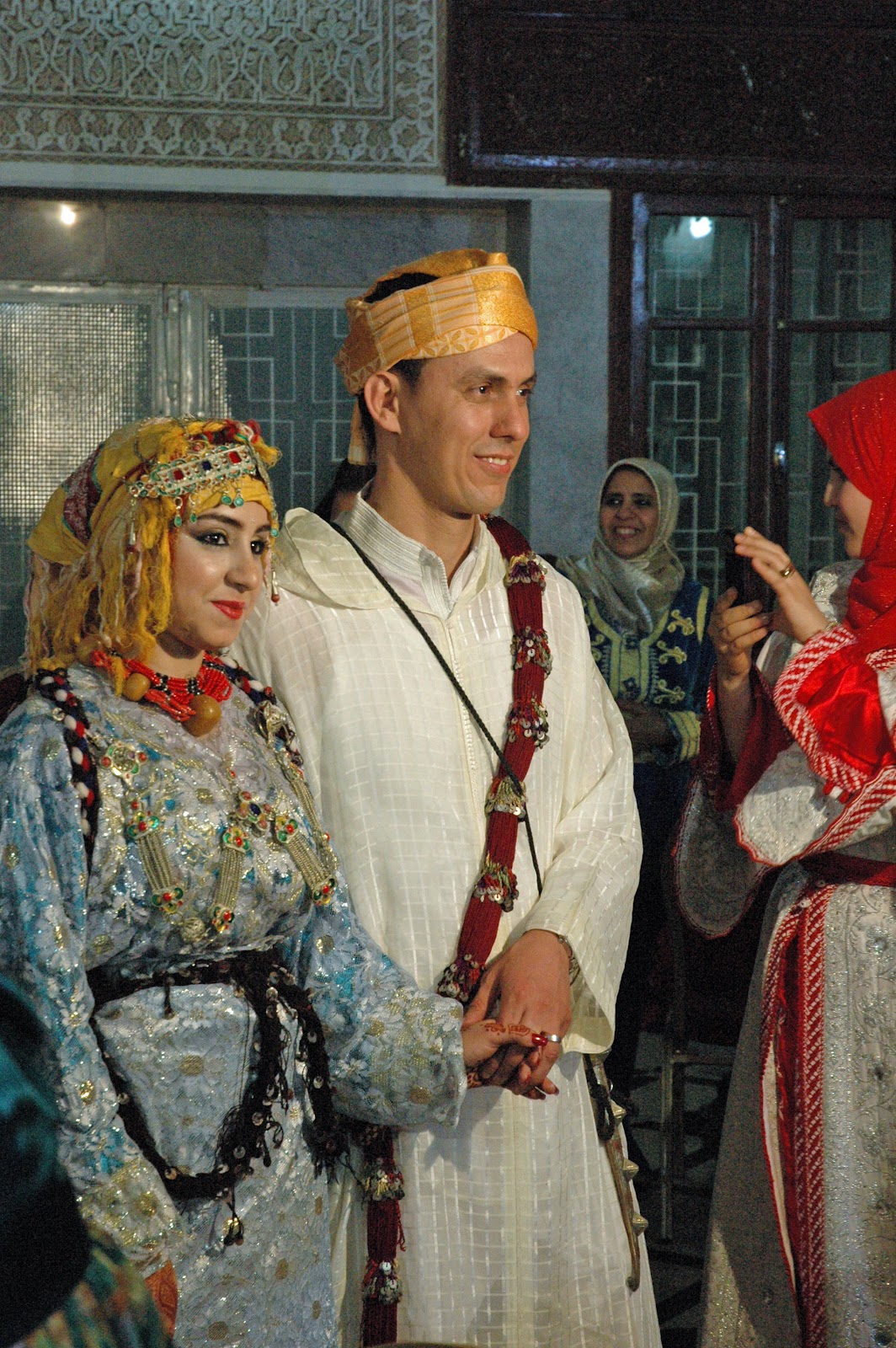
The history of Moroccan traditional clothing spans centuries, shaped by diverse cultural influences and regional adaptations. Moroccan attire reflects the country’s rich heritage, blending Berber, Arab, and Andalusian traditions with local innovations. Clothing was not only practical for daily life and climate but also a symbol of social status, tribal identity, and ceremonial importance.
Origins of Moroccan Garments
Moroccan garments have ancient origins, dating back to the early Berber civilizations. Clothing was initially made from natural fibers such as wool, flax, and leather, providing comfort and protection in Morocco’s varied climate. Early designs were functional yet symbolic, often decorated with patterns that reflected tribal affiliation, cultural identity, or spiritual beliefs.
Influences of Berber, Arab, and Andalusian Cultures
Moroccan clothing evolved as the country became a crossroads of civilizations. Berber communities contributed rich embroidery techniques, geometric patterns, and distinctive color combinations. Arab influences introduced flowing robes, modest designs, and intricate textile ornamentation, often inspired by Islamic art. Andalusian migrations brought elegant tailoring, luxurious fabrics, and ornamental styles that enriched Morocco’s sartorial traditions.
Evolution of Moroccan Fashion Through Centuries
Over the centuries, Moroccan fashion adapted to social changes, political influences, and trade interactions. Royal courts encouraged luxurious fabrics, elaborate embroidery, and ceremonial attire for special occasions. Meanwhile, rural communities maintained simpler yet highly practical designs, preserving traditional weaving, dyeing, and leathercraft techniques. The evolution of Moroccan clothing demonstrates a balance between functionality, artistic expression, and cultural symbolism, creating the diverse styles seen today.
Clothing as a Reflection of Moroccan Heritage
Traditional Moroccan garments are more than clothing—they are a living reflection of heritage. Each piece, from a Berber rug-inspired embroidery on a kaftan to the colorful patterns of a djellaba, tells the story of Morocco’s diverse regions, social customs, and artisan skills. Understanding the history of Moroccan clothing allows travelers to appreciate the cultural depth behind every garment and the skill involved in creating it.
Key Moroccan Traditional Outfits
Moroccan traditional outfits are not just garments—they are expressions of culture, artistry, and regional identity. Each piece carries a story, crafted with skill and attention to detail by artisans who have inherited techniques passed down through generations. From everyday wear to ceremonial attire, Moroccan clothing offers a window into the country’s rich heritage.
Djellaba — Morocco’s Iconic Robe
The djellaba is perhaps the most recognizable piece of Moroccan clothing. Worn by both men and women, it is a long, loose-fitting robe with wide sleeves and a pointed hood called a qob. Traditionally made from wool, cotton, or a blend of fabrics, djellabas are worn in daily life for comfort and protection against the sun and cool evenings.
The djellaba varies in style and decoration depending on the region. In rural areas, simpler wool djellabas are common, while urban versions may include subtle embroidery or vibrant colors. The hood is not merely decorative—it historically served as protection against wind, sand, and sun, showcasing the garment’s practicality alongside its cultural significance.
Kaftan — Royal and Ceremonial Attire
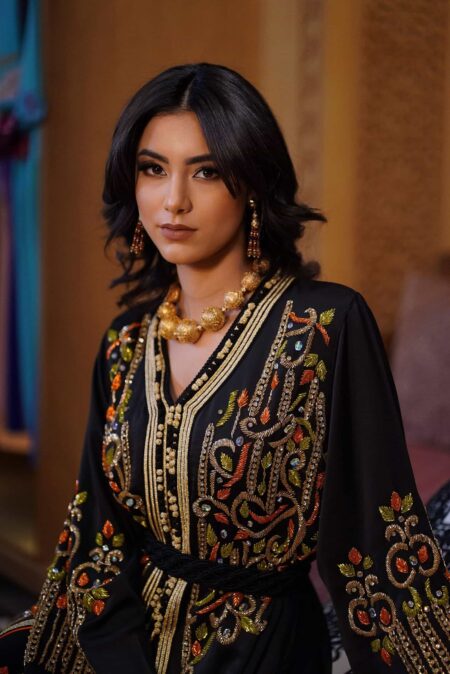
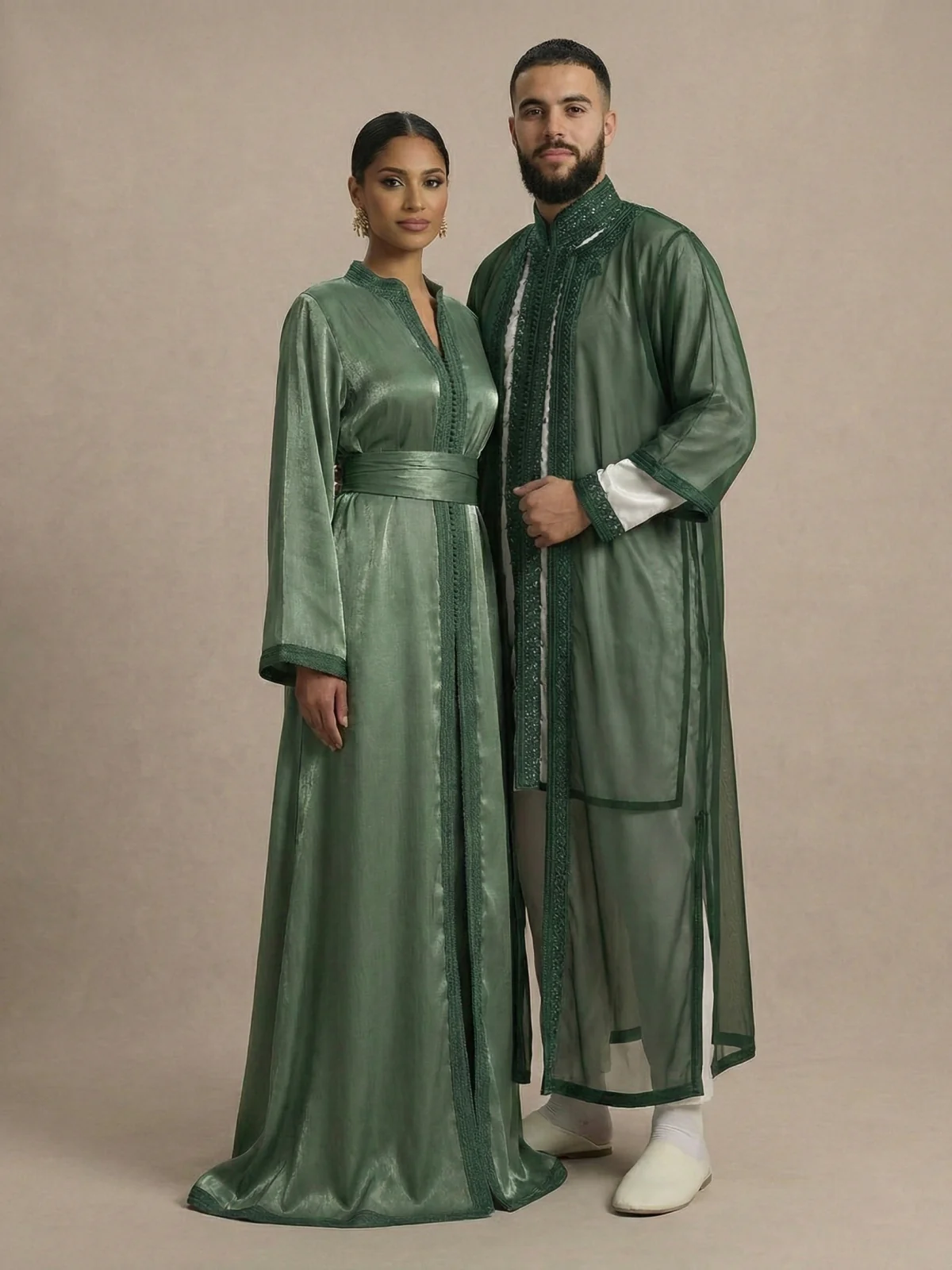
The kaftan is a symbol of Moroccan elegance and ceremonial tradition. Traditionally worn by women on special occasions such as weddings, festivals, and royal events, the kaftan is a long, flowing robe with intricate embroidery, often in gold or silver thread.
Kaftans are crafted from luxurious fabrics like silk, satin, and velvet, featuring elaborate patterns inspired by Moroccan art, geometry, and floral designs. The garment represents refinement, social status, and celebration. Modern kaftans maintain traditional aesthetics while incorporating contemporary fashion trends, making them popular both locally and internationally.
Takchita — Elegant Women’s Dress
The takchita is an elegant two-layered dress worn primarily during weddings and formal occasions. The outer layer (dfina) is richly decorated with embroidery, sequins, or beads, while the inner layer (tahtiya) provides structure and contrast.
Originating from Moroccan cities like Marrakesh and Fez, the takchita reflects centuries of artisanal skill and attention to detail. It is often paired with traditional jewelry, belts, and headpieces, creating a complete ensemble that celebrates Moroccan femininity and heritage.
Gandoura and Jellaba for Men
For men, the gandoura and jellaba are staples of Moroccan traditional clothing. The gandoura is a simple, sleeveless robe often worn at home or during casual outings, made from lightweight fabrics suitable for warmer climates. The jellaba, similar to the djellaba, is a long robe with a hood, worn for both daily life and formal occasions.
Men’s garments are often simpler in decoration than women’s clothing but can include embroidered details along the edges, reflecting regional styles and artisan craftsmanship. Footwear, such as babouches, completes the traditional male attire.
Regional Variations and Tribal Styles
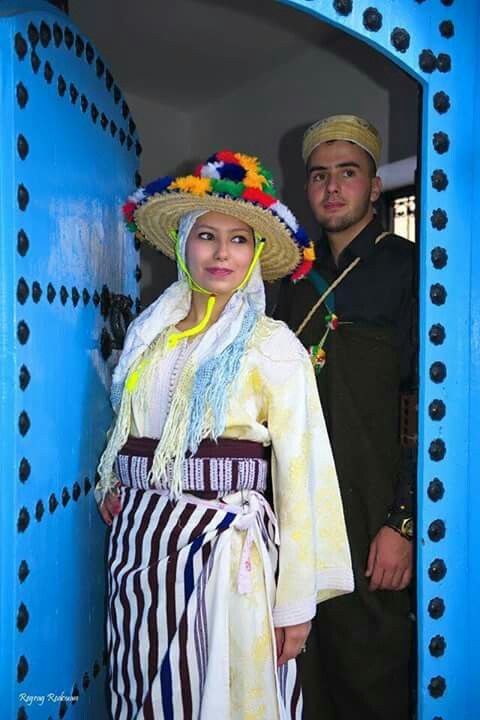
Moroccan clothing differs significantly across regions. Berber communities in the Atlas Mountains favor bold geometric embroidery and vibrant colors, while southern Saharan styles incorporate flowing robes suitable for desert climates. Coastal regions often blend Moroccan and European influences, resulting in lighter fabrics and simplified designs.
Understanding these regional variations allows travelers to appreciate the diversity of Moroccan traditional clothing, as each outfit reflects local identity, climate, and cultural practices.
Traditional Accessories and Jewelry
Accessories and jewelry are essential components of Moroccan traditional clothing, adding elegance, symbolism, and cultural identity to every outfit. From belts and headwear to silver jewelry and footwear, these items reflect centuries of artisanal skill and regional diversity. They not only complete an outfit but also communicate social status, marital status, and regional heritage.
Moroccan Belts (Mdamma) and Embroidery
Moroccan belts, often called mdamma, are used to secure garments like kaftans and takchitas while adding a decorative touch. They are traditionally made from embroidered leather, brocade, or woven fabrics and often feature metallic thread, sequins, or beads.
Belts serve both practical and aesthetic purposes. In weddings and special ceremonies, a beautifully decorated belt can highlight the wearer’s social status and complement the embroidery on the main garment. Each region has distinctive embroidery patterns, allowing travelers to identify the origin of a belt at a glance.
Traditional Headwear (Tarboosh, Chechia, and Scarves)
Headwear is a significant part of Moroccan attire. Men may wear a tarboosh or fez, symbolizing tradition and formality, while women often use scarves, veils, or decorative headpieces for ceremonial purposes.
Scarves and veils come in various colors, materials, and designs, reflecting local customs and personal style. In some regions, headwear indicates marital status or tribal affiliation, making it an important cultural marker beyond its practical use.
Silver and Berber Jewelry
Berber and Moroccan silver jewelry are renowned worldwide for their craftsmanship and intricate designs. Necklaces, bracelets, rings, and earrings are often handmade and feature geometric patterns, filigree work, and symbolic motifs representing protection, fertility, and social identity.
Jewelry complements traditional garments, especially during weddings and festivals, where it enhances the elegance and cultural significance of the outfit. Travelers often admire Moroccan silverwork for its uniqueness and artistry, making it a popular souvenir choice.
Footwear — Babouche and Leather Slippers
Traditional Moroccan footwear, such as babouches (soft leather slippers), is crafted for both comfort and style. These slippers are handmade from high-quality leather and are often dyed in vibrant colors.
Babouches are worn by men and women alike, indoors and outdoors, and their design can indicate regional origin or social status. The flexibility, lightness, and intricate stitching make them not only functional but also an integral part of Moroccan fashion.
Materials and Craftsmanship
The quality and beauty of Moroccan traditional clothing largely depend on the materials used and the craftsmanship behind each piece. Moroccan garments are known for their intricate embroidery, luxurious fabrics, and meticulous handwork, reflecting centuries of artisan traditions and regional techniques.
Natural Fabrics: Wool, Silk, Cotton
Moroccan traditional clothing relies on natural fabrics to ensure comfort, durability, and elegance. Wool is commonly used in colder regions and for garments like djellabas, providing warmth and texture. Silk and satin are preferred for ceremonial attire, including kaftans and takchitas, offering a luxurious feel and elegant drape. Cotton is lightweight and breathable, ideal for everyday wear and garments in warmer areas.
The choice of fabric often depends on regional climate, occasion, and social context. High-quality fabrics are a hallmark of authenticity, and many artisans continue to source natural fibers using traditional methods to preserve cultural integrity.
Hand Embroidery Techniques
Embroidery is one of the most defining features of Moroccan clothing. Skilled artisans use threads in gold, silver, or vibrant colors to create intricate geometric, floral, and symbolic patterns. Each region has its own embroidery style: for example, Fez is known for delicate, refined designs, while southern Berber regions favor bold and colorful motifs.
Hand embroidery is labor-intensive, sometimes requiring weeks of work for a single garment. This meticulous craft ensures that each piece is unique, reflecting the artisan’s skill and creativity.
Weaving and Dyeing Traditions
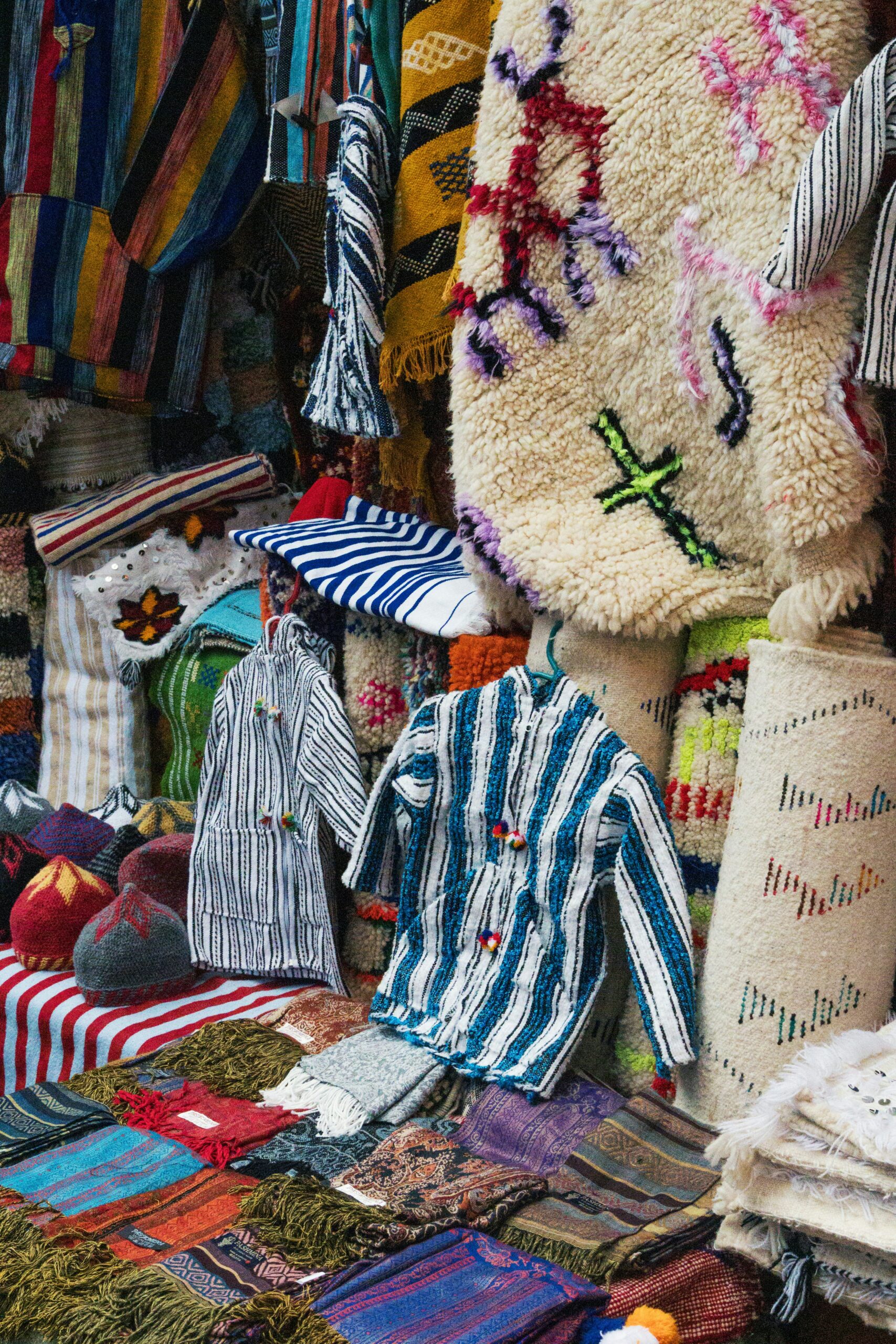
Moroccan weaving and dyeing techniques are ancient practices that add texture, color, and authenticity to traditional clothing. Artisans use natural dyes extracted from plants, roots, and minerals to create vibrant colors that are safe and sustainable.
Traditional weaving methods, often passed down through generations, produce fabrics with distinct patterns, thicknesses, and durability. These techniques not only enhance the beauty of garments but also preserve cultural heritage and local knowledge.
Sustainable Production and Artisan Skills
Sustainability is at the heart of Moroccan traditional clothing. Most garments are handmade using natural materials, reflecting an eco-friendly approach that predates modern sustainability movements.
By supporting artisans and their handcrafted work, travelers contribute to the preservation of these skills and help maintain the livelihoods of local communities. Moroccan craftsmanship is a testament to the harmony between tradition, artistry, and responsible production.
Ready to Explore Morocco?
Discover our collection of carefully designed private tours and experience Morocco’s most iconic destinations, breathtaking landscapes, and authentic cultural treasures.
Cultural Significance of Moroccan Clothing
Moroccan traditional clothing is deeply woven into the cultural fabric of the country. Beyond its aesthetic appeal, it communicates social identity, regional affiliation, religious observance, and respect for traditions. Each garment tells a story, connecting the wearer to Morocco’s history, rituals, and artisan heritage.
Clothing in Daily Life
In daily life, traditional garments like the djellaba and gandoura provide comfort, practicality, and modesty. These clothes are adapted to Morocco’s climate—lightweight fabrics for hot regions, warmer wool garments for mountainous or cooler areas. Daily wear reflects simplicity and functionality, yet regional embroidery and color choices also allow for personal and tribal expression.
Clothing in Weddings and Ceremonies
Weddings and special ceremonies are occasions where Moroccan traditional clothing truly shines. Women wear elaborate kaftans or takchitas adorned with gold and silver embroidery, while men may wear silk or finely embroidered djellabas. Clothing in these events symbolizes elegance, social status, and respect for heritage, and plays a central role in rituals, photography, and celebrations.
Religious and Festive Attire
Religious festivals, including Eid al-Fitr, Eid al-Adha, and other cultural celebrations, are marked by traditional clothing. Families wear their finest garments to attend prayers, visit relatives, and participate in communal festivities. The choice of attire conveys reverence, cultural pride, and adherence to religious customs.
Symbolism and Identity in Moroccan Garments
Traditional Moroccan garments carry symbolic meaning through colors, patterns, and embroidery. For example, specific geometric motifs in Berber embroidery may indicate tribal identity, regional origin, or protective symbolism. The use of colors like red, green, or blue can convey cultural significance, social messages, or even spiritual beliefs.
Clothing is thus a living form of cultural expression, allowing Moroccans to communicate identity and heritage visually. For travelers, understanding these symbols enhances appreciation for the depth and meaning behind each garment.
Cities Known for Traditional Moroccan Clothing
Morocco’s traditional clothing varies widely from city to city, reflecting regional styles, materials, and artisan techniques. Visiting these cities allows travelers to experience the diversity of Moroccan fashion, explore local markets, and witness authentic craftsmanship firsthand.
Fez — Embroidery and Fine Fabrics
Fez is renowned for its rich textile heritage and intricate embroidery. The city has long been a center for artisan workshops specializing in silk, wool, and cotton garments. Traditional kaftans and takchitas from Fez often feature detailed gold and silver thread embroidery, reflecting the city’s refined aesthetic and centuries-old artisan skills. Visiting Fez allows travelers to see master craftsmen at work and purchase authentic, high-quality clothing directly from local artisans.
Marrakesh — Souks and Kaftan Shops
Marrakesh is famous for its bustling souks, where a wide variety of traditional clothing is available. From hand-embroidered kaftans to colorful djellabas and elegant takchitas, the city offers both everyday wear and ceremonial garments. Marrakesh is also a hub for contemporary fashion designers who incorporate traditional Moroccan elements into modern styles, creating a vibrant mix of old and new.
Casablanca — Modern Adaptation
Casablanca, Morocco’s largest city, blends traditional clothing with modern influences. While traditional garments remain popular, urban adaptations often feature contemporary cuts, fabrics, and colors. Casablanca is known for fashion boutiques and designer stores that modernize classic garments while preserving Moroccan identity. Travelers can explore both traditional and modern styles, offering a unique perspective on Moroccan clothing evolution.
Essaouira — Coastal Influence on Clothing
Essaouira’s coastal location has influenced local fashion, incorporating lighter fabrics and simpler designs suitable for warmer, humid weather. Traditional garments here often feature subtle embroidery and relaxed silhouettes, reflecting the city’s laid-back lifestyle and artistic heritage. Essaouira is also known for artisan workshops specializing in hand-dyed fabrics and unique accessories inspired by both Berber and maritime traditions.
Rabat — Political and Cultural Center
As the capital city, Rabat combines traditional and formal attire in its urban landscape. Traditional garments are often worn during national celebrations, cultural events, and official ceremonies. Rabat’s markets offer high-quality fabrics, kaftans, and accessories, while workshops preserve traditional techniques for embroidery, weaving, and tailoring. Visiting Rabat provides a comprehensive view of Morocco’s sartorial heritage, linking historical traditions with contemporary practices.
Traditional Clothing as Souvenirs
Moroccan traditional clothing makes for unique and meaningful souvenirs, allowing travelers to take a piece of the country’s culture home. Each garment carries history, artistry, and regional identity, making it more than just a piece of clothing—it’s a story and a memory.
Best Items to Bring Home
Some of the most popular items to bring home include hand-embroidered kaftans, colorful djellabas, elegant takchitas, and finely woven scarves. Accessories like belts (mdamma), babouches, and silver jewelry also make excellent souvenirs. These items capture Morocco’s craftsmanship, beauty, and cultural heritage, offering a tangible reminder of the travel experience.
Cultural Value and Memory of Moroccan Clothing
Every piece of traditional clothing reflects Morocco’s history, regional artistry, and social traditions. Owning such a garment allows travelers to remember their journey, appreciate Moroccan artisan skills, and share the story of Moroccan culture with friends and family. These garments often become cherished items passed down or displayed as cultural memorabilia.
Transporting Fragile Garments and Fabrics
When bringing traditional clothing home, it’s important to handle fabrics with care. Lightweight silks, embroidered garments, and delicate accessories should be folded properly and stored in protective covers to prevent damage during travel. Some travelers also use garment bags or wrap textiles in soft cloths to preserve embroidery, sequins, or delicate stitching.
Modern Trends and Moroccan Fashion Industry
Moroccan traditional clothing is evolving, blending centuries-old techniques with contemporary fashion trends. Today, Moroccan artisans and designers are creating innovative garments that honor traditional styles while appealing to modern tastes, both locally and internationally.
Contemporary Adaptations of Traditional Clothing
Modern Moroccan fashion incorporates traditional motifs, embroidery, and fabrics into everyday wear, ready-to-wear collections, and high-fashion garments. Kaftans and djellabas are now crafted in lighter fabrics, with updated cuts, colors, and styles suitable for urban lifestyles and global fashion markets. These adaptations maintain cultural authenticity while allowing for practical and stylish wear.
Fashion Shows and Cultural Exhibitions
Fashion shows in cities like Marrakesh and Casablanca highlight the fusion of tradition and modernity. Designers showcase collections that feature elaborate embroidery, contemporary tailoring, and innovative fabric use. Cultural exhibitions also allow artisans to present traditional techniques to global audiences, preserving heritage while fostering creativity and innovation.
Moroccan Clothing in Global Markets
Moroccan fashion is gaining recognition worldwide, with designers exporting traditional-inspired garments to Europe, the Middle East, and North America. Online platforms and international fashion events have increased global awareness of Moroccan textiles, embroidery, and craftsmanship, ensuring that these traditions continue to thrive in the modern era.
Tips for Travelers Interested in Moroccan Fashion
Exploring Moroccan traditional clothing as a traveler can be a rewarding cultural experience. Knowing how, when, and where to engage with Moroccan fashion helps visitors make the most of their journey while respecting local customs and artisans.
Best Time to Visit Souks and Markets
The best time to explore souks and artisan markets is during the morning hours when shops first open. Markets are less crowded, artisans are available to demonstrate their craft, and travelers can observe the entire process of garment creation. Visiting during cultural festivals or special events also offers the opportunity to see traditional attire in action during weddings, ceremonies, and public celebrations.
Understanding Cultural Etiquette When Wearing Moroccan Garments
When trying on or wearing Moroccan clothing, it’s important to respect local customs. Women should be mindful of modesty, especially when wearing kaftans or takchitas in religious or rural areas. Men should avoid overly casual adaptations of ceremonial garments in formal settings. Always ask permission before photographing artisans or their work, as respect enhances the experience and fosters positive cultural exchange.
Planning a Fashion-Focused Travel Experience
Travelers who want a deep dive into Moroccan fashion can plan visits to multiple cities known for their textile heritage, such as Fez, Marrakesh, and Essaouira. Scheduling artisan workshop tours, attending fashion shows, and participating in embroidery or weaving classes can create an immersive, hands-on experience. Such planning ensures travelers not only shop for souvenirs but also gain a deeper understanding of Moroccan craftsmanship and culture.
Moroccan traditional clothing is a vibrant reflection of the country’s rich history, diverse regions, and skilled artisans. From everyday djellabas to luxurious kaftans and intricate accessories, each garment tells a story of heritage, craftsmanship, and cultural pride. Exploring Moroccan clothing offers travelers a unique way to connect with the culture, learn about regional styles, and appreciate the artistry passed down through generations.
Whether you are visiting bustling souks, artisan workshops, or attending local festivals, Moroccan fashion provides an immersive cultural experience. By purchasing authentic garments and supporting local artisans, travelers contribute to preserving these traditions for future generations.
Plan your Moroccan fashion journey today! Visit traditional markets, explore artisan workshops, and bring home authentic pieces that capture the beauty, history, and artistry of Morocco. Immerse yourself in the vibrant world of Moroccan clothing and experience the culture like never before
Moroccan fashion is truly a work of art, and I love how you highlighted everything from everyday djellabas to the gorgeous takchitas worn at weddings
GREAT Guide