Camel trek in Morocco: What to expect, best time and how to choose your trek
Few travel moments in Morocco can compare to the first time you climb on a camel at the edge of the Sahara and watch the dunes turn orange as the sun falls. A camel trek in Morocco is a slow, quiet and surprisingly personal experience. There is no engine noise, no arrival time on your phone, only the soft rhythm of the animal and the sand slipping under its feet.
But a good experience is all about choices you make before you get there: which desert, how many nights, what season, what kind of camp. Many people just book the first thing they see and then realize the ride was too short or it was too hot or the camp wasn’t what they thought. Here we explain how a camel trek actually works so you can find the right one.
Should you already know your preferences, you can look through our camel trekking tours in Morocco and select one according to the length of time. If you are still deciding, then keep reading.
What a Camel Trek in Morocco Is Really Like
A camel trek is a walk, not a ride in the adventurer’s adrenaline spirit. Camels travel at a gentle shuffle, and a ride to a desert camp averages a single to two hours, depending on whether the camp sits between the dunes or atop them. You are seated on a cushioned saddle with a handlebar ahead as your guide leads the caravan by foot or ahead on his camel.
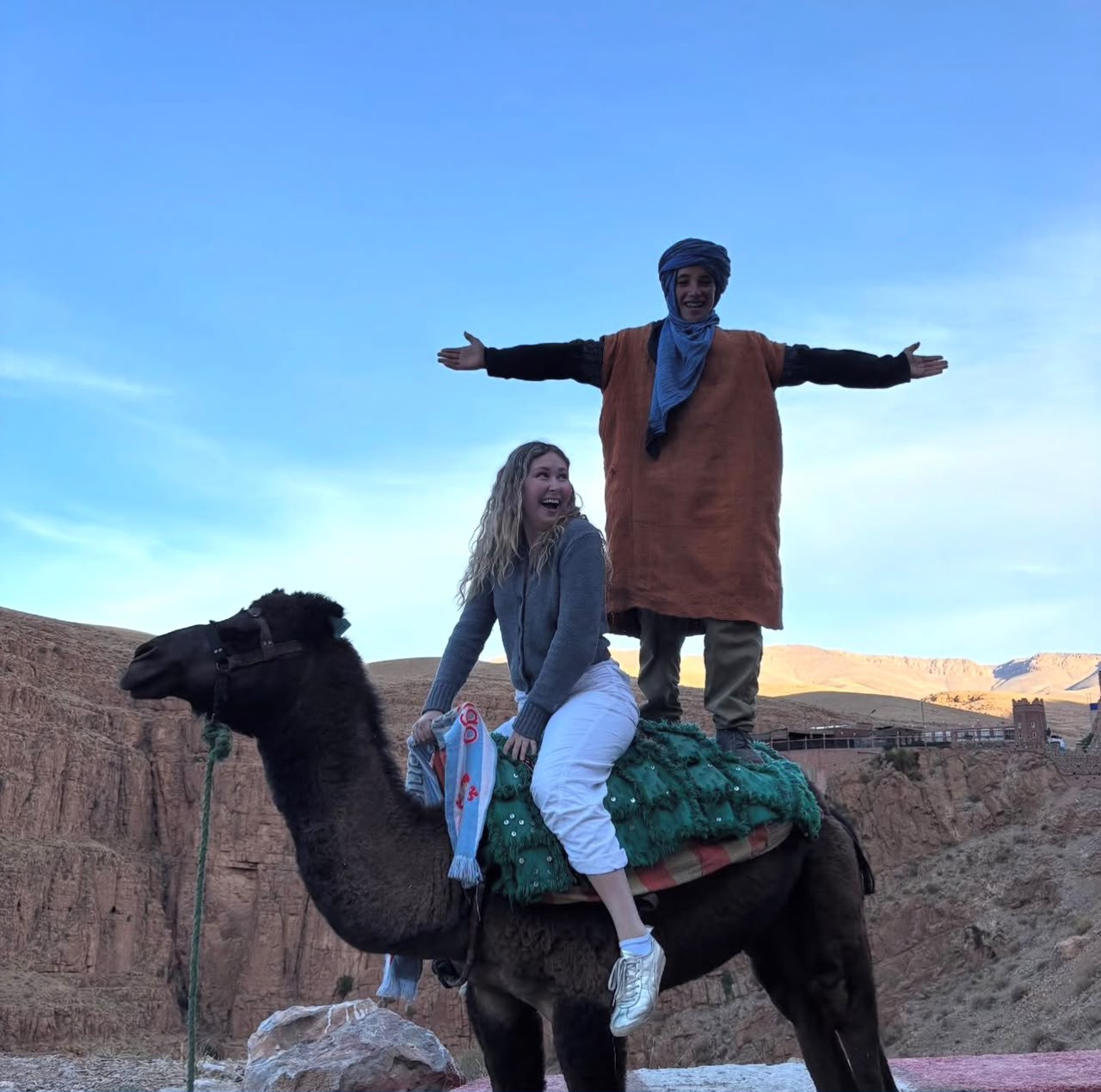
Where to Visit: either at Erg Chebbi, Erg Chigaga and, Zagora
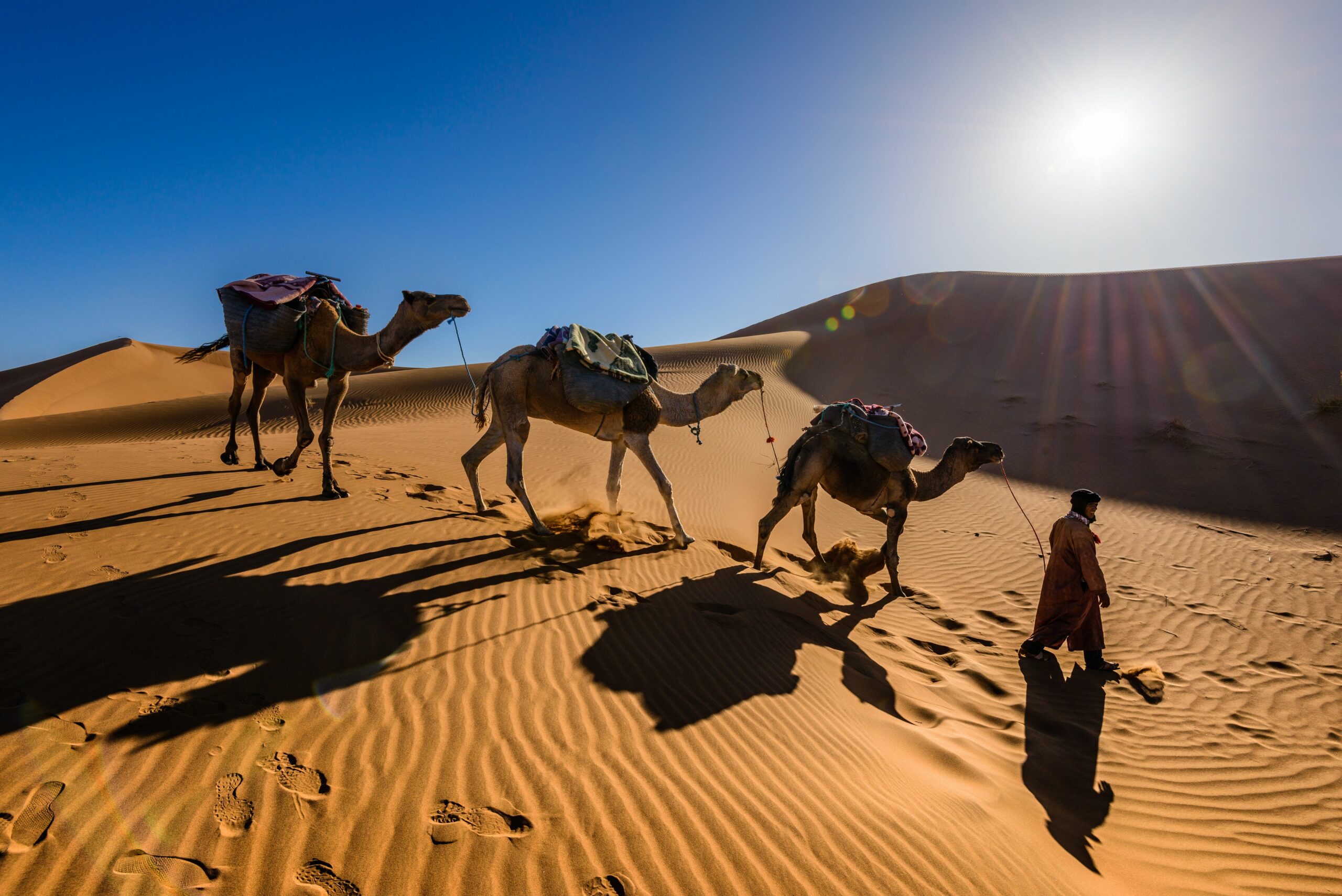
Morocco actually has desert areas and they are not all the same. The most popular one is Erg Chebbi, close to Merzouga in the southeast. The sand dunes are approximately 150 meters high, it is accessible by road, and you will find many various camps and tours. If this will be your first camel trek in Morocco, it is the safest one.
More remote and more away from the beaten track, Erg Chigaga behind M’Hamid. The desert is a little further and deeper off the main roads and most of the journey will be over sandy tracks requiring 4WD. As such, you are unlikely to be able to fit it in if you are on a tight schedule. But its remoteness means a more tranquil experience.
The nearest Zzagora is only an hour away from Marrakech and used for shorter trips. The dunes are much less imposing and less as a sea of sand, more as a desert edge, but the camel ride, and the camping over night, still make for a Sahara experience.
1 Night or 2 Nights? Trek Duration Tips
The question we get asked most often is ‘How long should the trek be? The straight answer is that you can see the desert on a single night, but you only experience it with two nights. On a one-nighter, you arrive at sunset and depart at sunrise, so you have just a glimpse. On a two-nighter, you get a whole day of desert life and time to enjoy it.
Option | Typical riding time | What you do | Best for |
|---|---|---|---|
Sunset ride only | 1 to 2 hours | Ride to the dunes, watch sunset, return | Short visits, tight itineraries |
1 night | 1 to 2 hours each way | Sunset, camp dinner, sunrise ride out | First-timers, most travelers |
2 nights | Several rides, more time | Full day in the dunes, extra walks, quiet time | Photographers, slow travelers |
If you only have a few hours in Merzouga, a one-day camel trek in the Merzouga desert gives you the ride and the dunes without an overnight stay. It is also a good way to test whether you enjoy riding a camel before committing to a longer trek.
If you can spare the time, 2 nights of camel trekking in Merzouga is the version that most travelers describe as the highlight of their Morocco trip. The second night is where the desert stops feeling like an excursion. You are no longer watching the clock, and the camp becomes a place to rest rather than a stop on the way somewhere else.
Not Sure Which Camel Trek Fits Your Trip?
Tell us your arrival date in Merzouga and how many nights you have. We will recommend the right trek and build it around your route.
A Typical Camel Trek Day, Hour by Hour

Exact times change with the season and the tour, but most overnight treks follow the same shape. Knowing it in advance helps you plan your clothes, your camera battery, and your expectations.
- Late afternoon (around 4 to 5 pm): meet your guide in Merzouga, receive your camel, and adjust your scarf and saddle. This is also the moment to leave large luggage at the hotel or in the vehicle.
- Around sunset: ride through the dunes toward camp. In summer the departure is later, because the afternoon heat stays strong.
- Evening: reach camp, drink tea, and climb a nearby dune for the sunset. Dinner is usually a tajine, followed by drums and songs around the fire.
- Early morning: wake before sunrise, climb a dune for the first light, then eat breakfast and ride back to Merzouga.
The most beautiful hours are the two around sunset and sunrise. That is why a sunset camel trek on the Erg Chebbi dunes is so popular: it focuses on the part of the day when the light and the temperature are at their best.
Best Time of Year for Camel Trek in Morocco
You can trek in the Moroccan desert for most of the year, but the experience changes a lot between seasons. The key factors are daytime heat and night cold, since both can be extreme. Spring and autumn offer the most balanced conditions, while summer and winter each have strengths and weaknesses that are worth knowing before you book.
| Season | Conditions | Pros | Watch out for |
|---|---|---|---|
| Spring (Mar to May) | Warm days, mild evenings | Comfortable riding, clear light | Occasional wind and sand haze |
| Summer (Jun to Aug) | Very hot days, often above 40°C | Fewer visitors, warm nights | Heat; late-afternoon starts only |
| Autumn (Sep to Nov) | Warm days, cooler nights | Great light, easy temperatures | Busy around holidays |
| Winter (Dec to Feb) | Mild days, cold nights | Crisp air, very clear skies | Nights can approach freezing |
Summer deserves a direct answer, since many travelers ask about it. A camel trek in Morocco in July or August is possible, but it is demanding. Rides start later, you drink far more water than you expect, and you should avoid being outside in the middle of the day. If summer is the only time you can travel, choose a tour with air-conditioned transport and a camp that offers shade and cooling.
What to Wear and Pack for a Camel Trek
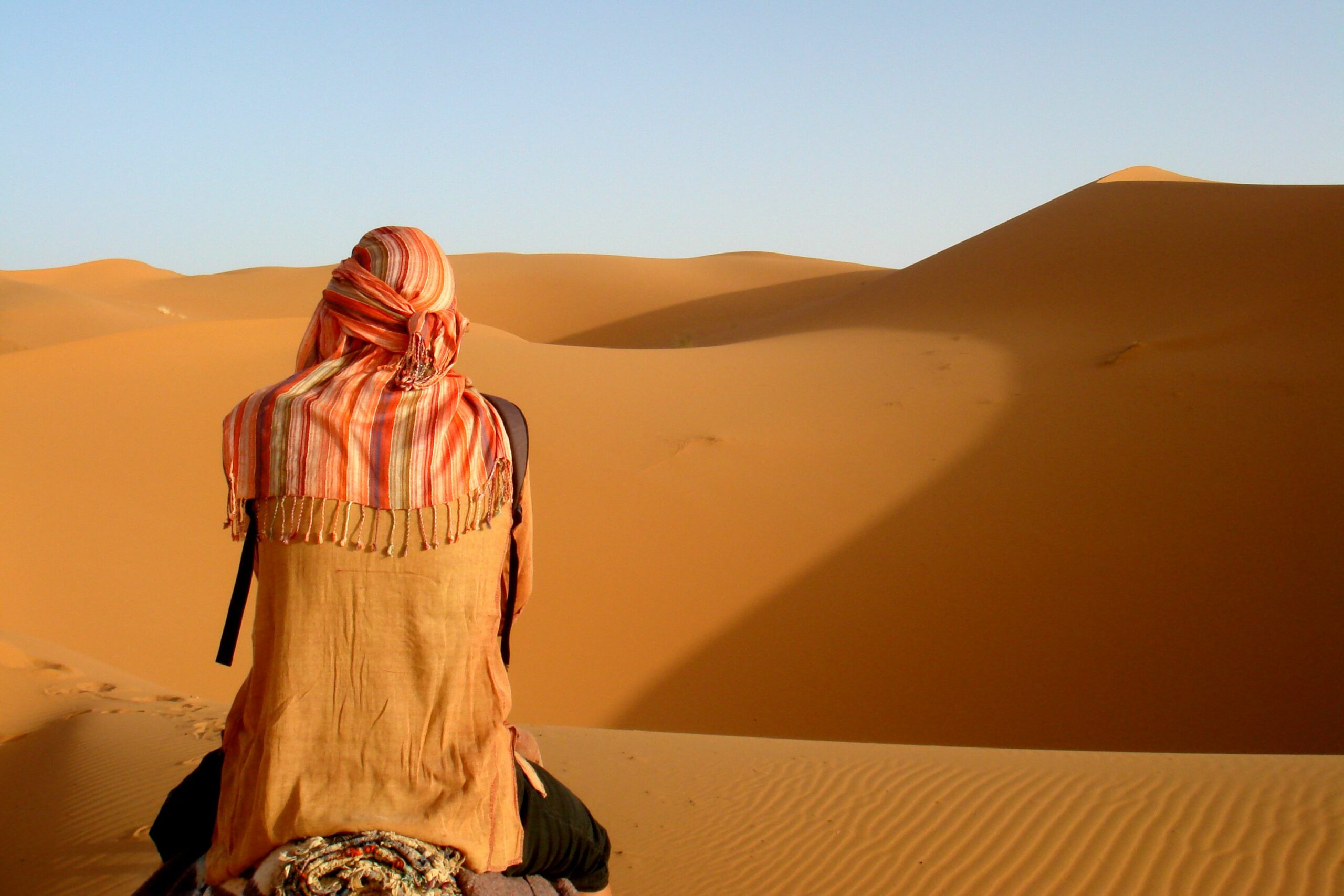
Pack light. You usually leave your main luggage at the hotel and bring a small bag for the night. The goal is comfort on the camel, protection from sun and sand, and enough warmth for the evening.
- Loose, long trousers: they protect your legs from rubbing against the saddle, which is more comfortable than shorts.
- A scarf or shesh: it covers your face in wind and shields your neck from the sun. Your guide can show you how to tie it.
- Closed shoes or trainers: sand gets hot, and you will walk up dunes.
- A warm layer: even in summer, the desert cools down after dark.
- Sunglasses, sun cream, and a hat: the glare off the sand is strong.
What Nobody Tells You Before Your First Camel Trek
Camel trekking is not painful, but it is not effortless either. The saddle is wide, your legs are held open, and after an hour or so your hips and inner thighs will notice. Shifting your position, holding the front handle lightly, and wearing loose trousers all help. Most travelers find the second ride easier than the first.
Finally, accept that the desert is not a hotel. Facilities at standard camps are basic, sand will end up in your bag, and nights can be cold. These details do not spoil the experience for most people, but they are easier to enjoy if you expect them.
Standard Camp or Luxury Camp?
Camps in Merzouga range from simple tents with shared facilities to large private tents with real beds and private bathrooms. A standard camp gives you the traditional experience: mattresses, blankets, a communal dinner, and a simple setup that is closest to the old caravan routes. It is also the better value choice for travelers who care more about the landscape than the room.
A luxury camp costs more but changes the comfort level significantly. You get privacy, better beds, proper bathrooms, and often better food and service. This option suits couples, honeymooners, families, and anyone who wants the dunes without the roughing it. Whichever you choose, check how far the camp is from the first dunes, because the best camps are set deep enough that you do not see other tents.
Is Camel Trek in Morocco Safe for First-Timers and Solo Travelers?
For most travelers, yes. Camel treks in Merzouga are a well-established activity, the camels are used to tourists, and guides stay with your group throughout. The most common problems are minor: sunburn, dehydration, and sore legs. Drinking water regularly and following your guide’s instructions solves most of them.
Many solo travelers, including women, join desert treks every year, usually through an organized tour with a local guide rather than arranging things independently. If you are traveling alone, choose a reputable operator, share your itinerary with someone at home, and ask about group size and camp setup before booking. Dress modestly in villages, and keep valuables with you.
How to Reach the Desert from Marrakech, Fes, and Casablanca
Merzouga is far from the main cities, and the drive is part of the experience. From Fes it takes around eight to nine hours, crossing the Middle Atlas and the Ziz valley. From Marrakech, you usually cross the High Atlas and pass through the Dades or Draa regions, which takes about nine to ten hours of driving if done in one day. From Casablanca, the trip is longer still.
For that reason, most travelers do not travel to Merzouga and back in a single day. They combine the desert with a longer circuit, often three to four days from Fes or Marrakech, with stops at Ait Benhaddou, the Todra Gorge, or the Dades Valley. Planning the route around the desert, rather than adding it at the end, saves time and gives you a calmer trip.
Frequently Asked Questions About Camel Trek in Morocco
How long is a camel trek in Morocco?
A typical ride to a desert camp lasts one to two hours each way. Treks are usually sold as a sunset ride, a one-night trek, or a two-night trek.
Where is the best place for camel trekking in Morocco?
Erg Chebbi near Merzouga is the most popular and easiest option, with the largest dunes. Erg Chigaga is wilder and more remote, and Zagora is closer to Marrakech.
Is a camel trek suitable for beginners?
Yes. No experience is needed, and guides help you mount and dismount. Expect some stiffness in your legs after the first ride.
What is the best time of year for a camel trek in Morocco?
Spring and autumn are the most comfortable. Summer is very hot during the day, and winter nights can be cold.
Can I do a camel trek from Marrakech or Fes?
Yes, but the desert is a long drive from both cities, so it is usually combined with a multi-day tour.
Camel trekking in Morocco is simple at its core, but the details decide whether it becomes the highlight of your trip or just another stop. Choose Erg Chebbi if you want the classic dunes, travel in spring or autumn if you can, pack for both heat and cold, and decide honestly how much time you have. One night is a great introduction. Two nights is the version most people wish they had booked.
When you are ready to compare dates and durations, look through our full range of Morocco camel trek tours or contact MT Morocco Travel to build a private route that fits your arrival city and schedule.
Ready to Ride Into the Sahara?
Choose your dates, pick your trek, and spend a night under the stars in the Erg Chebbi dunes. Prefer a private trek? We will plan it with you.