
Morocco in Winter: The Best Hidden Places to Visit Beyond the Tourist Season
Morocco in winter (December to February) is mild and sunny in the cities, snowy in the Atlas Mountains and cold at night in the Sahara. It is also low season, with fewer crowds and lower prices.
From snow-covered mountains to peaceful coastal towns, and from hidden villages to warm traditional meals, Morocco in Winter allows travelers to experience the country beyond the crowded tourist season. It is the perfect time for those seeking calm landscapes, cultural immersion, and unique adventures.
One of the greatest advantages of Morocco in Winter is the diversity of experiences. In the same trip, travelers can enjoy snowy mountain hikes, sunny Atlantic beaches, traditional village life, and warm desert nights. This contrast makes winter travel in Morocco truly special.
For travelers who want to go beyond the classic tourist routes, Morocco in Winter opens the door to hidden places that remain less touristic and more authentic .
The Climate of Morocco in Winter: What Travelers Should Expect
Understanding the climate is essential before planning a trip to Morocco in Winter. The country’s geography creates very different weather conditions depending on the region.
In northern cities like Tangier and Tetouan, winters are mild but can be rainy. Coastal temperatures usually range between 10°C and 18°C.
In central cities like Fez and Marrakech, Morocco in Winter can be cold in the mornings and evenings, but sunny during the day. Temperatures often range between 6°C and 20°C.
The Atlas Mountains experience much colder weather, often with snow covering higher altitudes. This makes Morocco in Winter ideal for mountain lovers and winter hikers.
In southern desert areas like Merzouga and Zagora, days remain comfortable while nights can become freezing.
The beauty of Morocco in Winter lies in this climate diversity. Travelers must simply prepare according to the regions they plan to visit.
Hidden Mountain Villages to Explore in Morocco in Winter
One of the most rewarding parts of Morocco in Winter is discovering mountain villages far from the tourist crowds.
In the High Atlas, villages like Imlil and Aroumd become peaceful winter escapes. Surrounded by snowy peaks, they offer a quiet atmosphere and authentic Amazigh hospitality.
Further east, the hidden valleys of Aït Bouguemez are among the most beautiful places to visit in Morocco in Winter. Known as the “Happy Valley,” this region becomes incredibly scenic with winter light and fresh mountain air.
In the Rif Mountains, villages near Chefchaouen provide a different experience. Green hills, misty mornings, and traditional stone houses make Morocco in Winter in the Rif both peaceful and photogenic.
What makes these villages special is the warmth of local life. During Morocco in Winter, travelers are often welcomed with hot mint tea, homemade bread, and traditional meals by the fire.
These hidden villages reveal a slower and more authentic Morocco.
Why Morocco in Winter Is Ideal for Discovering the Atlas Mountains
The Atlas Mountains are one of the country’s greatest natural treasures, and Morocco in Winter is one of the best times to explore them.
Winter transforms the Atlas into a breathtaking landscape of snow-covered peaks, frozen rivers, and silent valleys.
For hikers, Morocco in Winter offers a different kind of adventure. Trails around Imlil and Toubkal become more challenging but far more rewarding.
The winter season also means fewer hikers, which creates a more intimate connection with nature.
Even for non-hikers, visiting the Atlas during Morocco in Winter is worth it. Traditional mountain villages become incredibly charming, and the scenery feels almost cinematic.
Travelers can also experience Oukaïmeden, Morocco’s ski resort, where winter sports add another layer of adventure to Morocco in Winter.
The Atlas Mountains prove that Morocco is not just a desert destination — it is also a winter wonderland.
Less Touristic Coastal Escapes to Visit in Morocco in Winter
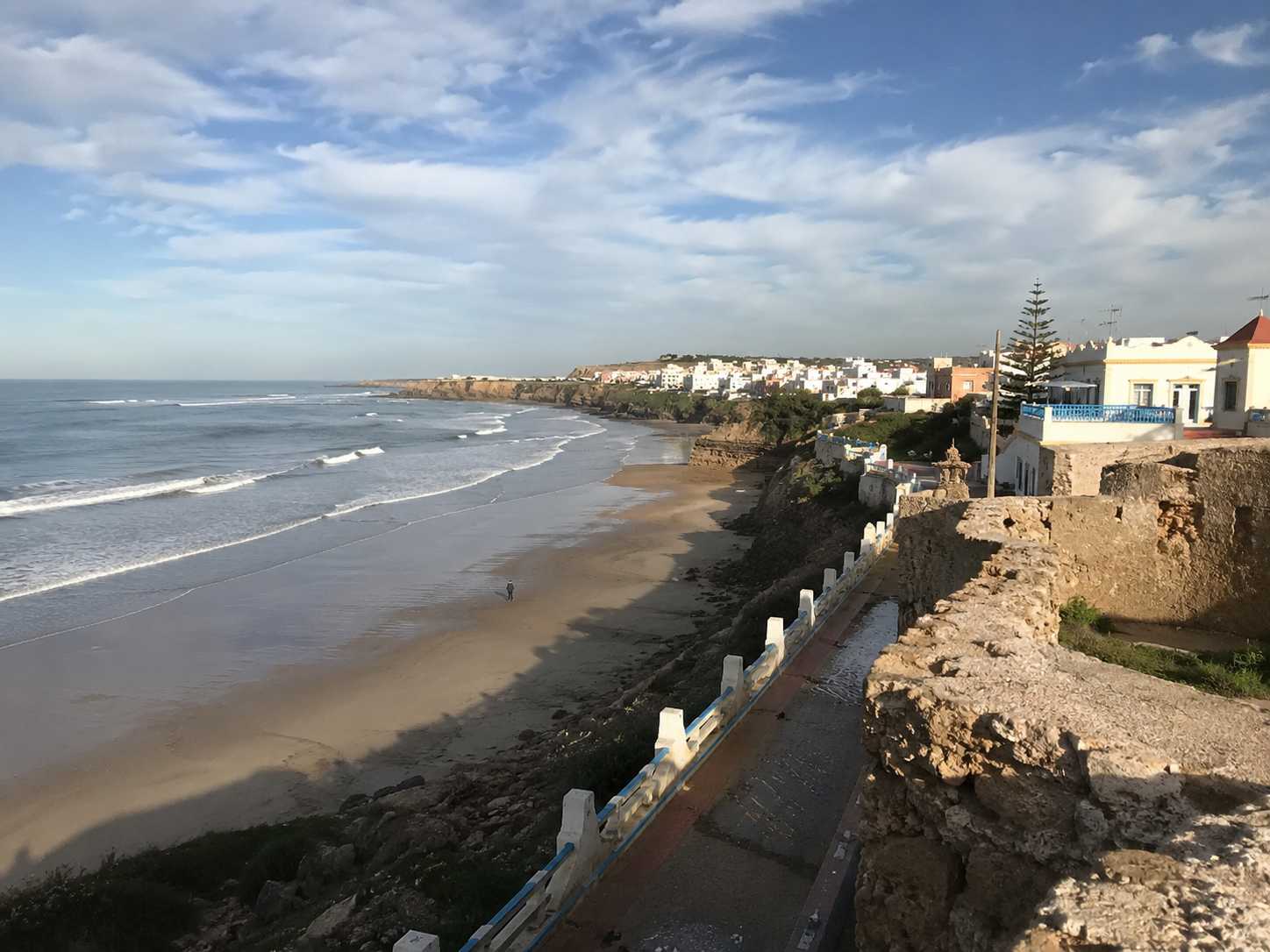
Not all winter travel in Morocco means cold weather. In fact, Morocco in Winter offers beautiful coastal escapes with mild temperatures and peaceful beaches.
Essaouira is one of the best examples. During winter, this Atlantic town becomes calm and relaxing. The beaches are almost empty, and the medina feels more authentic.
Further south, Sidi Ifni is one of the most underrated places for Morocco in Winter. Its dramatic cliffs, ocean views, and quiet atmosphere make it ideal for slow travel.
In northeastern Morocco, Nador and Ras El Ma offer Mediterranean beauty during Morocco in Winter. While summer attracts more visitors, winter reveals the region’s peaceful charm.
Taghazout also remains attractive for surfers. Winter waves are often at their best, making Morocco in Winter perfect for surf lovers.
The coast in winter shows a different side of Morocco: calm, reflective, and far from tourist pressure.
Traditional Food Experiences to Enjoy in Morocco in Winter
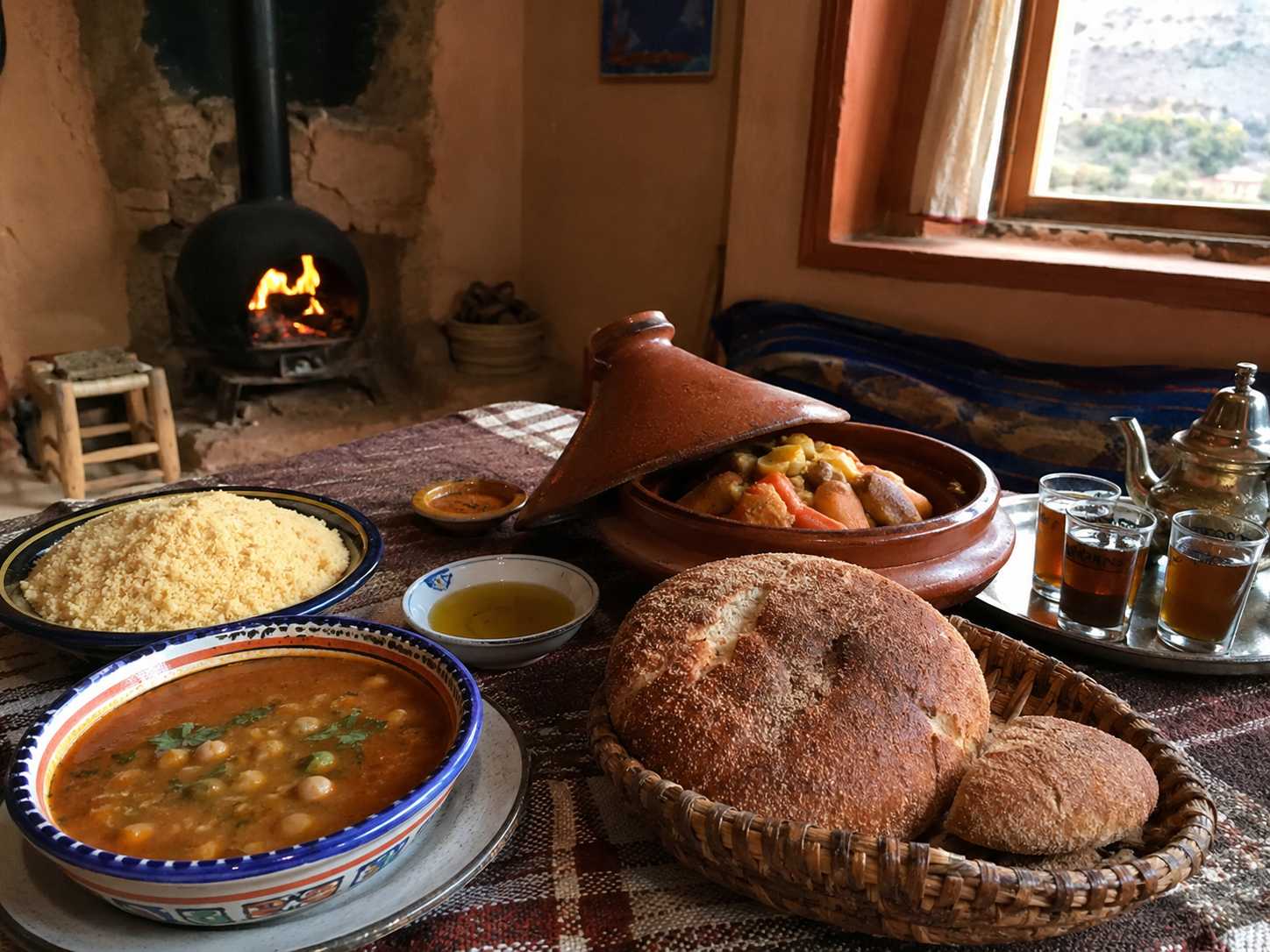
Food becomes even more important during Morocco in Winter. Cold weather makes Moroccan cuisine feel richer and more comforting.
One of the best winter dishes is harira, a warm soup made with lentils, chickpeas, tomatoes, and spices. It is perfect after a cold day of travel.
Tagines are another highlight of Morocco in Winter. Slow-cooked for hours, they become the ultimate comfort meal.
In mountain villages, travelers can enjoy Berber bread, freshly baked and served with olive oil or honey.
Couscous, traditionally eaten on Fridays, is another essential part of Morocco in Winter.
Mint tea becomes even more meaningful during winter. Sitting by a fire while drinking tea is one of the most authentic experiences of Morocco in Winter.
Food is not just about taste — it is part of the warmth and hospitality of Moroccan culture.
Hidden Natural Wonders You Should See in Morocco in Winter
Plan Your Winter Trip to Morocco
Tell us your dates and we will build a private itinerary with the best weather for your route.
Nature lovers will quickly understand why Morocco in Winter is such a special time to travel.
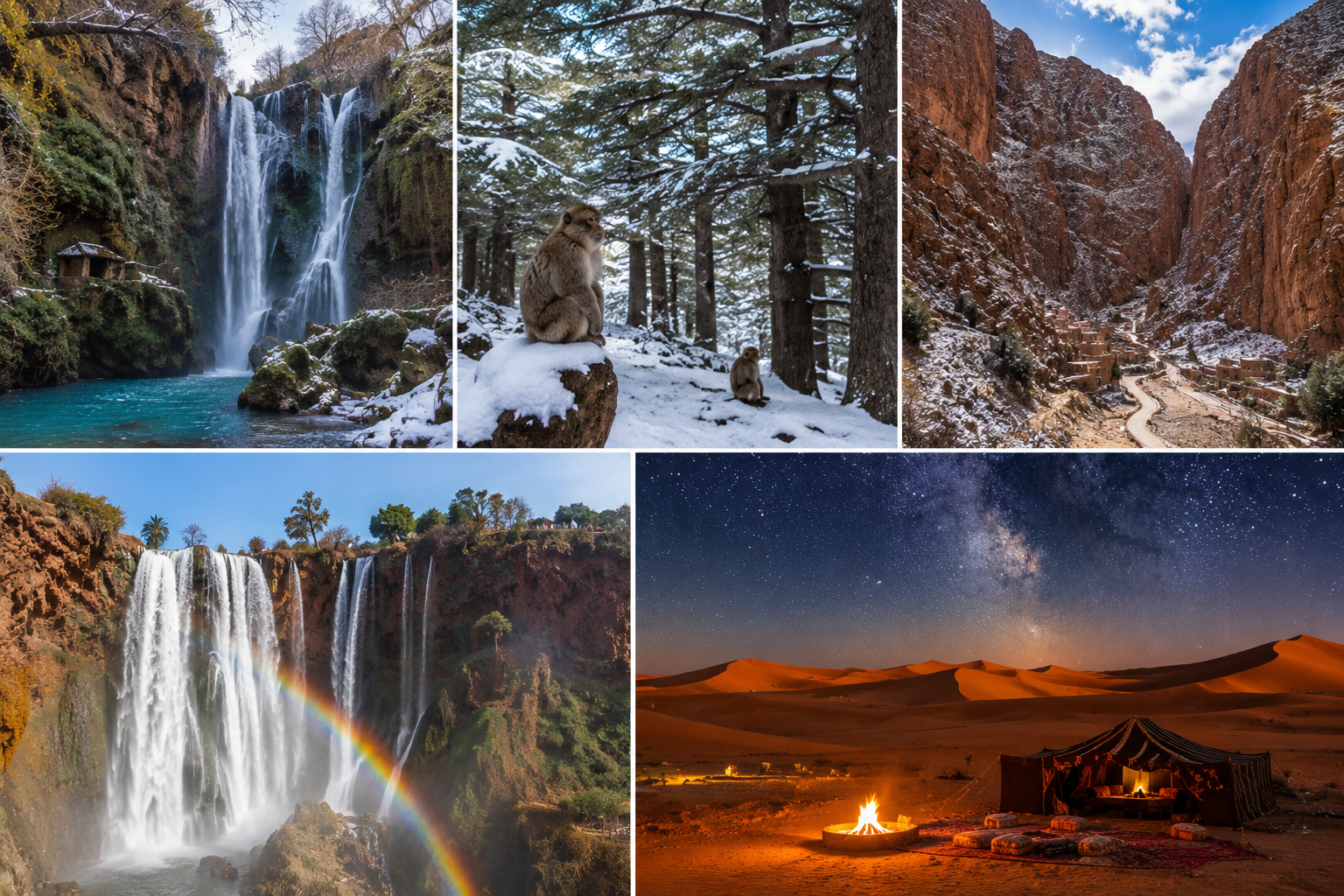
Akchour waterfalls near Chefchaouen are particularly beautiful in winter. Rainfall increases the water flow, making the waterfalls even more powerful.
The cedar forests near Azrou offer a magical winter atmosphere. Snow-covered trees and wild monkeys create a unique experience of Morocco in Winter.
The Dades Valley and Todra Gorge become quieter and more dramatic under winter light.
The Ouzoud waterfalls are another must-see during Morocco in Winter, with fewer tourists and stronger water flow.
Even the Sahara offers hidden natural beauty. Winter sunsets and star-filled skies in Merzouga make Morocco in Winter unforgettable.
These natural wonders prove that winter is not a low season — it is simply a different season.
What to Pack for Traveling Across Morocco in Winter
Packing correctly is essential for enjoying Morocco in Winter comfortably.
Because the climate changes dramatically, travelers need flexible clothing.
Important items for Morocco in Winter include:
- Warm jackets for cold nights
- Light layers for sunny afternoons
- Comfortable hiking shoes
- A scarf and gloves for mountain regions
- Waterproof jackets for rainy northern cities
- Thermal clothing for desert nights
- Sunscreen, because winter sun can still be strong
- A power bank for long travel days
- Moisturizer for dry mountain and desert air
For travelers planning Morocco in Winter, smart packing makes the journey smoother and more enjoyable.
Preparation allows travelers to enjoy every climate and region without discomfort.
For travelers looking to escape crowded tourist seasons and discover a quieter side of the country, Morocco in Winter is one of the best choices.
From snowy Atlas villages to peaceful Atlantic coastlines, from warm tagines by the fire to hidden waterfalls surrounded by silence, Morocco in Winter offers experiences that many travelers never see.
The beauty of Morocco in Winter lies in its contrasts: cold mountains and warm hospitality, quiet beaches and lively traditions, adventure and peace.
It is a season that reveals Morocco’s authenticity in a powerful way.
So, if you want to experience a more intimate, less touristic, and unforgettable journey, why not choose Morocco in Winter and explore the hidden places beyond the tourist season?
Is Morocco worth visiting in winter?
Yes, Morocco in Winter is worth visiting because the country becomes quieter, more authentic, and less crowded. Travelers can enjoy snowy mountains, peaceful beaches, warm desert days, traditional food, and hidden villages beyond the tourist season.
What is the weather like in Morocco in winter?
The weather in Morocco in Winter depends on the region. Coastal cities are usually mild, central cities like Marrakech and Fez can be sunny during the day and cold at night, the Atlas Mountains can receive snow, and the Sahara Desert has comfortable days but very cold nights.
What are the best places to visit in Morocco in winter?
Some of the best places to visit in Morocco in Winter include Imlil, Aroumd, Aït Bouguemez, the Atlas Mountains, Oukaïmeden, Essaouira, Sidi Ifni, Nador, Ras El Ma, Akchour waterfalls, Azrou cedar forest, Dades Valley, Todra Gorge, and Merzouga.
Can you visit the Sahara Desert in Morocco in winter?
Yes, winter is one of the best seasons to visit the Sahara Desert in Morocco. The days are usually more comfortable than in summer, making camel rides, desert walks, and camp experiences easier. However, nights can be very cold, so warm clothing is necessary.
Does it snow in Morocco in winter?
Yes, it snows in Morocco in winter, especially in the High Atlas Mountains and areas around Imlil, Mount Toubkal, and Oukaïmeden. Snow can also appear in some Middle Atlas regions, including areas near Azrou and Ifrane.
What should travelers pack for Morocco in winter?
Travelers should pack warm jackets, light layers, comfortable shoes, waterproof clothing for rainy northern cities, gloves and scarves for mountain areas, thermal clothes for desert nights, sunscreen, moisturizer, and a power bank for long travel days.