mtmoroccotravel@gmail.com

+212645359247

What to Expect on Your First Camel Trek: The Ultimate Beginner’s Guide to the Moroccan Sahara

 Riding across vast waves of golden sand, watching the sky turn brilliant shades of violet and crimson as the sun dips below the horizon, and falling asleep under a blanket of endless Saharan stars is a bucket-list dream for travelers around the world. A camel safari through the Moroccan desert is an experience unlike any other, offering a rare blend of ancient Berber traditions, tranquil silence, and raw natural beauty.

However, if you have never mounted a dromedary before or spent a night in a desert bivouac, it is completely normal to have a few questions. How bumpy is the ride? What should you pack? How cold does the desert actually get at night?

Knowing what to expect on your first camel trek will turn potential anxiety into pure anticipation. From mounting your camel in Merzouga to enjoying traditional mint tea in a Berber camp, this complete guide covers everything you need to know for an unforgettable Saharan journey with MT Morocco Travel.

1. Choosing Your Moroccan Desert Destination: Erg Chebbi vs. Erg Chigaga

Before you strap on your cheche (traditional Berber turban) and mount your camel, you must choose where your desert journey will take place. Morocco features two major regions for authentic camel trekking: Erg Chebbi (near Merzouga) and Erg Chigaga (near M’Hamid and Zagora). Each offers a distinct experience tailored to different travel timelines and preferences.

Erg Chebbi (Merzouga Dunes)

Located in southeastern Morocco near the village of Merzouga, Erg Chebbi is world-renowned for its massive, wind-sculpted golden dunes that rise up to 150 meters high. Because paved roads lead right to the edge of the dunes, Merzouga is the most popular choice for first-time trekkers, families, and those seeking comfortable or luxury desert camps. Exploring the camel trekking in Morocco options in Merzouga allows you to easily combine camel riding with 4×4 dune bashing, quad biking, and authentic Berber musical performances.

Erg Chigaga (Zagora & M’Hamid)

If you prefer a wilder, more remote adventure away from commercial tourist routes, Erg Chigaga offers an expansive sea of dunes stretching toward the Algerian border. Reaching Erg Chigaga requires an adventurous off-road 4×4 drive through gravel plains before reaching the camp. It is ideal for travelers who want an untouched, off-the-beaten-path Saharan immersion.
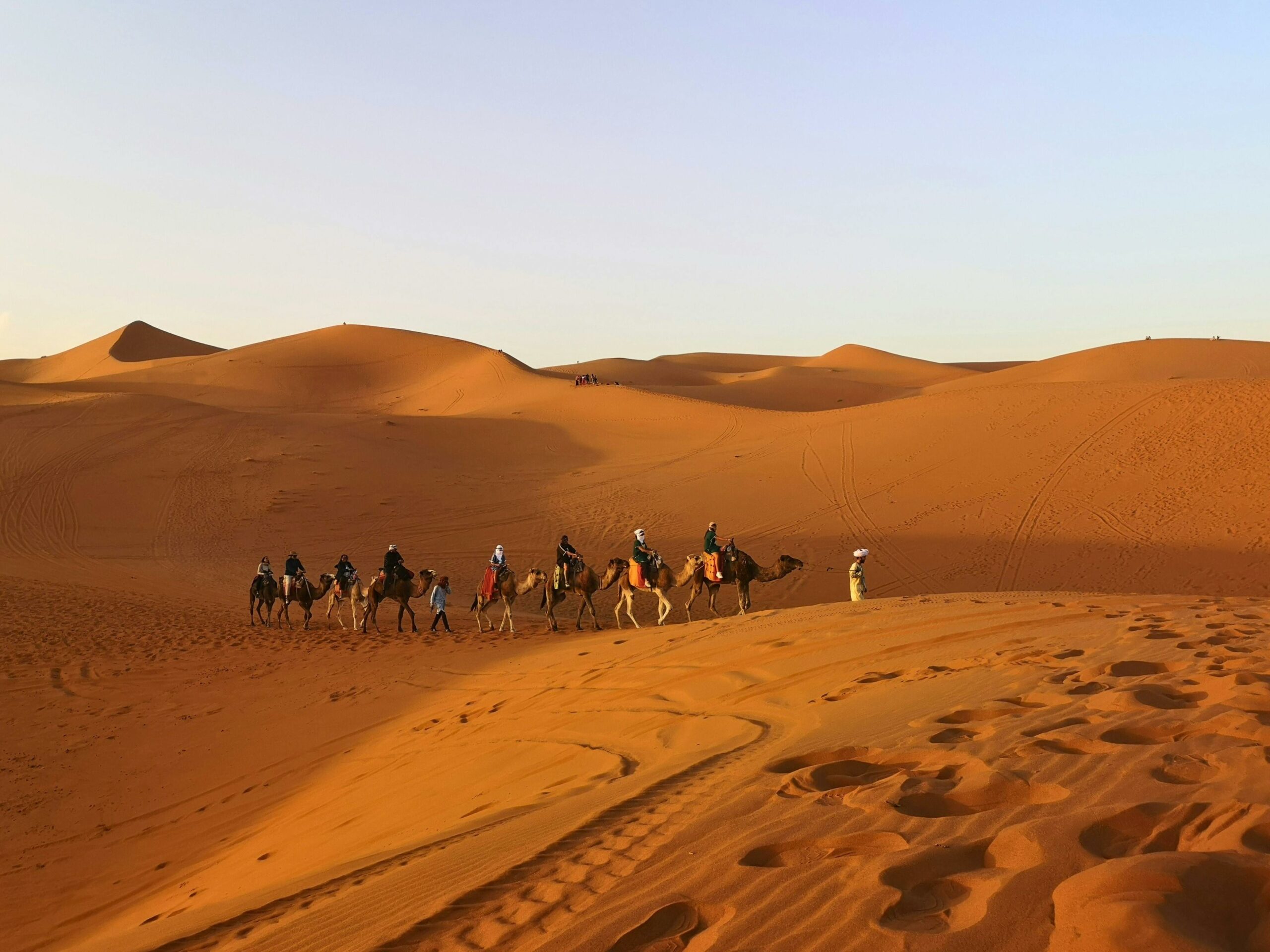
What to Expect on Your First Camel Trek

2. Physical Reality: How the Camel Ride Actually Feels

One of the most frequent questions first-timers ask is: What does riding a camel feel like?

First, a quick anatomical clarification: the “camels” of Morocco are technically dromedaries (one-humped camels). They are gentle, sturdy animals perfectly adapted to the harsh Saharan terrain.

Mounting and Dismounting (The Seesaw Motion)

The most thrilling part of camel riding happens before you even start moving. Dromedaries fold their legs underneath themselves when resting. When you sit in the saddle and the guide instructs the camel to stand up, it lifts its hind legs first!

  • The Motion: You will lean backwards sharply as the back legs rise, and then lean forward as the front legs lift.
  • Pro Tip: Keep a firm grip on the saddle handle, lean back when the camel stands up, and let your body move naturally with the animal’s rhythm.

Riding Rhythm and Comfort

Unlike a horse’s crisp trot, a dromedary walks with a slow, swaying side-to-side cadence.

    • Movement: Your hips will roll naturally with every step.
    • Duration: Standard sunset or sunrise camel treks typically last between 1 to 2 hours. This duration is ideal for first-time riders because sitting on a wide wooden saddle padded with blankets can cause mild inner-thigh soreness if sustained for longer periods.
    • Stirrups and Saddles: Moroccan camel saddles are equipped with thick woven blankets and metal handlebar grips for balance.

3. What to Expect on Your First Camel Trek: Step-by-Step Itinerary

To help you visualize your journey, here is what a standard overnight camel trekking itinerary in Morocco looks like from late afternoon to the following morning.

Phase 1: Late Afternoon Departure and Dune Trek

Your journey begins in the late afternoon (around 4:30 PM or 5:00 PM depending on the season) to avoid the intense midday desert heat. After loading your overnight duffel bag onto the support vehicle or camel pack, you mount your camel and set off in a single-file caravan led by your local native Amazigh (Berber) guide.

As the sun sets, the light transforms the dunes from bright ochre to deep crimson and copper shades. Your guide will halt the caravan at a high dune peak so you can walk to the crest, snap breathtaking photos, and enjoy the pure silence of the Sahara.

Phase 2: Welcome at the Desert Camp

Arriving at the desert camp as twilight sets in, you will be greeted with genuine Moroccan hospitality—freshly brewed mint tea (often called “Berber Whiskey”) and sweet dates.

Phase 3: Saharan Dinner and Fireplace Melodies

After settling into your private tent, you will gather in the dining pavilion for a traditional Moroccan feast featuring hot vegetable soup, slow-cooked chicken or beef tagine with prunes and almonds, fresh bread, and seasonal fruits. Afterward, guests gather around a roaring central campfire under the starry sky as local guides play traditional Gnawa and Berber drums.

Phase 4: Early Morning Sunrise Ride

The next morning starts early before dawn. You will ascend a nearby dune to witness the magnificent Saharan sunrise as the morning light turns the sand from cool purple into radiant gold. After breakfast at the camp, you hop back onto your camel or 4×4 vehicle for the return trek to Merzouga.

4. Desert Accommodations: Standard vs. Luxury Desert Camps

When booking a camel trek through MT Morocco Travel, you can choose between two main accommodation styles in the Sahara. Both offer authentic hospitality, but they differ significantly in amenities.

Standard Desert Camps

Standard camps provide an authentic, rustic sleeping experience. Tents are made from heavy woven camel-wool canvas to keep out wind and sand. You will sleep on clean mattresses raised off the ground with thick blankets. Bathroom facilities are shared and housed in a separate, clean utility structure near the camp perimeter. Electricity is typically limited to central areas, making it a true unplugged experience.

Luxury Saharan Camps

For travelers wanting modern comforts in the middle of the dunes, luxury desert camps deliver a boutique hotel experience. Tents feature full wooden framing, carpeted floors, king-sized plush beds, electrical outlets powered by solar energy, and private en-suite bathrooms equipped with flushing toilets and running hot showers.

5. Essential Packing List for a Moroccan Camel Trek

Packing correctly is crucial for a comfortable desert experience. Because heavy suitcases stay secured in your tour driver’s vehicle or base hotel at the edge of the desert, you will only bring a small backpack or duffel bag on the camel ride.

What to Wear During the Ride

  • Long Pants are Mandatory: Never wear shorts on a camel trek. The texture of the saddle blanket combined with camel hair will chafe bare legs quickly. Choose lightweight cargo pants, leggings, or linen trousers.
  • Closed-Toe Shoes: Sand gets hot during the day and cold at night. Sneakers or lightweight hiking boots protect your feet from hot sand and rocky terrain.
  • A Scarf (Cheche): Purchase an authentic cotton scarf prior to departure. Your guide will wrap it into a traditional turban to protect your nose, mouth, and hair from windblown sand.

Sun and Gear Essentials

  • Sun Protection: High SPF broad-spectrum sunscreen, protective lip balm, and UV-blocking sunglasses are essential in the high-exposure desert environment.
  • Lighting and Power: Pack a headlamp or small flashlight for navigating around the camp after dark, along with a high-capacity power bank to keep your phone and camera charged.
  • Personal Care: Reusable water bottle to stay hydrated, wet wipes for quick cleanups, and any personal medications.

Preparing for Extreme Night Temperatures

The desert climate features dramatic temperature swings. While afternoon temperatures in Merzouga can reach 30°C to 40°C (86°F–104°F) in warmer months, desert temperatures plunge rapidly once the sun sets. During winter months (November to February), night temperatures frequently drop near freezing (0°C–5°C / 32°F–41°F). Pack thermal layers, a warm sweater, and wool socks for sleeping.

6. Desert Climate, Seasonality, and Weather Realities

To ensure your first camel trek is enjoyable, timing your trip according to Morocco’s seasonal climate is key.

Autumn and Spring (Peak Months)

March through May and October through November represent the absolute best times for camel trekking in Morocco. Temperatures are comfortably warm during the day (ranging from 20°C to 30°C) and pleasantly cool at night, providing the most pleasant riding conditions.

Winter (Clear Skies & Cold Nights)

December through February offers crystal-clear blue skies during the day with optimal visibility for photography. Daytime temperatures hover around 10°C to 20°C, but you must prepare for chilly evenings by wearing thermal undergarments and fleece outerwear inside your desert tent.

Summer Considerations

July and August bring intense Saharan heat, often exceeding 42°C (107°F). If you visit during summer, camel rides are restricted strictly to early sunrise and late sunset hours, with afternoons spent in air-conditioned vehicles or shaded oasis swimming pools.

Asilah Arts Festival: Morocco’s Most Colorful Cultural Celebration

Asilah Arts Festival is one of Morocco's most beloved cultural events, turning the small whitewashed town of Asilah on the Atlantic coast into a living, breathing open-air gallery every summer. For several weeks, local and international artists cover the medina's...

No Medina, No Hustle: Why Your Next Morocco Trip Needs to Be Taghazout

Forget the crowded medinas, the constant bargaining, and the fast pace of Morocco’s imperial cities. Located just 20 kilometers north of Agadir, along Morocco's Atlantic coast, Taghazout reveals a completely different side of the country, where the sound of the ocean...

A Food Lover’s Guide to Morocco: Regional Dishes You Must Try Beyond Tagine

Morocco is one of the world’s richest culinary destinations, where every region tells its own story through food. For many travelers, Moroccan cuisine starts and ends with tagine. While tagine remains iconic, it is only one part of a much larger culinary world. A true...

The Blue Cities of Morocco — Discover the Magic of the Blue Pearl

Morocco is a country known for its vibrant colors, rich culture, and diverse landscapes, but few places capture global attention like its famous blue cities. Hidden in the mountains of northern Morocco, these destinations offer a unique visual experience where...

Morocco in Winter: The Best Hidden Places to Visit Beyond the Tourist Season

When travelers think about Morocco, they often imagine hot summer days, desert sunsets, and busy medinas full of life. But few realize that Morocco in Winter offers one of the most magical and underrated travel experiences in North Africa. While most tourists focus on...

Imilchil Marriage Festival: Morocco’s Legendary Berber Love Story

Imilchil Marriage Festival is one of Morocco's most extraordinary cultural gatherings, held each year high in the Atlas Mountains among the Aït Haddidou Berber tribe. Part souk, part celebration, part living legend, this three-day event draws thousands of visitors who...

Ait Bouguemez (The Happy Valley): The Complete Travel Guide to Morocco’s Hidden Paradise

Tucked deep in the heart of the Central High Atlas, the Happy Valley is one of Morocco's best-kept secrets — a lush, green corridor of mud-brick villages, walnut groves, and snow-capped peaks that feels a world away from the souks of Marrakech. For travelers searching...

Moroccan Sunset Guide: The Best Spots to Watch & Capture the Magic

Have you ever wondered what Morocco actually means? In Arabic, the country is called Al-Maghrib, “the place where the sun sets.” For ancient travelers, this wild edge of North Africa was the absolute end of the known world. But as the old saying goes, the sun doesn't...

Skiing at Oukaïmeden: The Ultimate Guide to Morocco’s Highest Ski Resort

Few travelers expect to find a ski resort less than an hour from the palm-lined streets of Marrakech, yet skiing at Oukaïmeden has been a well-kept secret of the Atlas Mountains since the 1930s. Perched at over 2,600 meters above sea level in the High Atlas range,...

Private Morocco Tours | Custom Travel with Local Experts

Morocco is a destination full of diversity, culture, and unforgettable landscapes, but planning the perfect trip can often feel overwhelming. With so many cities to explore, traditions to discover, and experiences to enjoy, choosing the right travel approach makes all...

Moroccan Traditional Crafts: Leather, Pottery, Woodwork, and More

Moroccan traditional crafts are a window into the country’s history, culture, and daily life. Each handmade product tells a story, whether it’s a leather bag from Fez, a Zellige tile from Marrakesh, or a cedar wood carving from Essaouira. Moroccan crafts are renowned...

Moroccan Natural Products: Traditional Treasures, Argan Oil, Spices & Artisan Beauty Secrets

Morocco is known not only for its vibrant cities and breathtaking landscapes but also for its rich heritage of natural products deeply rooted in tradition. From the world-famous argan oil to aromatic spices and traditional beauty treatments, Moroccan natural products...

Is Morocco Safe for Solo Female Travelers? Complete Guide for 2026 

Traveling alone as a woman can be one of the most empowering experiences in life. It offers freedom, confidence, and the opportunity to connect deeply with new cultures. In recent years, Solo Female Travel in Morocco has become increasingly popular as more women seek...

The Summer Mistake: Why Your Morocco Summer Travel Plans Could Ruin Your Vacation

Morocco is a dream destination for travelers around the globe, but organizing Morocco summer travel between June and August can quickly turn into a logistical nightmare if you pick the wrong route. The biggest mistake first-time visitors make is treating Morocco as a...

Spectre James Bond Locations in Morocco: From Explosive Craters to Exotic Cities

Morocco's stunning deserts and historic architecture have long served as the perfect stand-in for exotic and high-stakes worlds, and few films showcase this better than Sam Mendes' James Bond adventure Spectre (2015). While the story unfolds across global locales with...

Hidden Morocco: Secret Places & Unique Experiences

Morocco is a land of vibrant colors, rich history, and breathtaking landscapes — but beyond the well-known cities and popular tourist spots lies a hidden side that few travelers ever experience. From secret villages tucked away in the Atlas Mountains to serene desert...

Morocco Travel Guide: Moroccan Food Tourism, Traditional Dishes & Culinary Experiences

Morocco is not only a destination known for its stunning landscapes, historic cities, and rich culture, but also for its exceptional cuisine that attracts food lovers from around the world. Moroccan food tourism has become one of the fastest-growing travel...

Lawrence of Arabia Locations in Morocco: Iconic Deserts and Kasbahs from a Cinematic Masterpiece

Morocco's stunning deserts and historic architecture have long served as the perfect stand-in for exotic and ancient worlds, and few films showcase this better than David Lean's masterpiece Lawrence of Arabia (1962). While the story unfolds across the Arabian...

Moroccan Food Trails: A Culinary Journey Through Traditional Cities and Villages

Morocco is a country celebrated for its rich history, breathtaking landscapes, and vibrant traditions. But beyond its famous medinas, desert adventures, and coastal escapes, Morocco offers another unforgettable experience: its food. Across the country, food is much...

27 Iconic Things to Do in Morocco for First-Timers

Morocco is one of North Africa’s most fascinating destinations, where ancient traditions blend seamlessly with vibrant modern life.  For first-time travelers, Morocco feels like stepping into another world. The scent of spices fills the air in traditional markets and...

Moroccan Mint Tea Preparation and Traditions: Authentic Recipes & Cultural Guide

Morocco's aromatic mint tea and deep-rooted hospitality customs have long offered visitors a warm introduction to daily life and culture. Moroccan mint tea preparation and traditions represent far more than a simple beverage ritual—they reflect recipes, variations,...

Erfoud Date Festival: A Complete Guide to Morocco’s Sahara Harvest Celebration

Erfoud Date Festival transforms this quiet gateway to the Sahara into one of southeastern Morocco's liveliest cultural stages every autumn. For three days, the streets of Erfoud fill with the scent of fresh dates, the rhythm of Berber drums, and processions of camels...

The Hidden Side of Morocco: Nador, the Rif Mountains & Coastal Wonders

Morocco is widely known for its imperial cities, bustling souks, and desert landscapes. Destinations such as Marrakech, Fes, Chefchaouen, and the Sahara Desert attract millions of visitors every year. However, beyond these famous places lies a completely different...

Thanksgiving Week Morocco: Why This Is the Perfect Time to Travel

Thanksgiving Week Morocco trips have quietly become one of the smartest ways for American and Canadian travelers to spend their late-November break. Instead of a long weekend built around turkey, football, and holiday traffic, you land in a country where the souks are...

Traditional Clothing in Morocco — Explore Moroccan Fashion and Heritage

Moroccan traditional clothing is one of the most colorful and culturally significant aspects of the country. Beyond mere garments, Moroccan attire reflects centuries of history, regional diversity, and social identity. From the flowing djellaba worn by men and women...

How Many Days Do You Need in Morocco? Complete Travel Guide 

If you're wondering how many days in Morocco you need, most travelers spend 7 to 10 days exploring the country. This timeframe allows enough time to visit cities like Marrakech and Fes, travel through the Atlas Mountains, and experience the Sahara Desert. Short trips...

Best Sahara Desert Tour in Morocco: What to Expect + Activities You Can’t Miss

Few landscapes evoke the same sense of awe as the Sahara Desert in Morocco. Rolling golden dunes that stretch endlessly under brilliant blue skies, the silence of the desert broken only by the gentle sway of camels and the whispers of the wind — it’s a scene that...

Do You Really Need to Learn Arabic Before Visiting Morocco?

Planning a trip to Morocco often sparks one major, pressing question for travelers: Do I need to learn Arabic before I arrive? With its dizzying labyrinth of ancient medinas, remote high-altitude mountain villages, and bustling coastal city centers, worrying about...

Moroccan Music: Exploring Traditional Sounds, Instruments & Cultural Heritage

Traveling to Morocco is a journey of the senses. From the golden dunes of the Sahara to the winding streets of historic medinas, Morocco offers travelers a unique blend of culture, history, and unforgettable experiences. One of the most immersive ways to connect with...

Hidden Luxury in Morocco: Exclusive Escapes Beyond the Famous Riads

When people think of luxury travel in Morocco, they often imagine elegant riads in Marrakech or traditional palaces in Fez. While these iconic accommodations remain part of the country’s charm, Luxury in Morocco goes far beyond famous riads and classic tourist routes....

Best Hiking Destinations in Morocco for Adventure Lovers

Morocco is a country of contrasts, where mountains, deserts, valleys, and coastlines create endless opportunities for adventure. While many travelers visit Morocco for its imperial cities, colorful souks, and Sahara experiences, an increasing number are discovering...

Digital Nomad in Morocco: Best Cities for Remote Work and Slow Living

The world of remote work has changed dramatically over the past few years, and in 2026, more people than ever are choosing to work while traveling. Digital nomads are no longer looking only for strong internet and affordable rent—they are also searching for lifestyle,...

The Mummy Filming Locations in Morocco: From Bustling Medina Streets to Desert Ruins

Morocco's stunning deserts and historic architecture have long served as the perfect stand-in for ancient worlds, and few films showcase this better than Stephen Sommers' The Mummy (1999). While the story unfolds in 1920s Egypt with curses and lost tombs, much of the...

Digital Detox Retreat Morocco Mountains: Unplug and Recharge in the Atlas

If your phone buzzes before your eyes even open, you're not alone — and it might be time to consider a digital detox retreat in the Morocco mountains. Tucked into the folds of the High Atlas, where Berber villages sit above the noise of the modern world, Morocco has...

Kingdom of Heaven Filming Locations in Morocco: From Epic Jerusalem Sets to Desert Strongholds

Morocco's stunning deserts and historic architecture have long served as the perfect stand-in for ancient and medieval worlds, and few films showcase this better than Ridley Scott's Kingdom of Heaven. While the story unfolds in the Holy Land during the Crusades of the...

Traveling Independently in Morocco: Practical Tips for a Confident Trip

Traveling independently in Morocco is an experience unlike any other. The country offers a unique mix of vibrant cities, serene deserts, and breathtaking landscapes that invite exploration at your own pace. Without a guided tour, you have the freedom to wander through...

What Your Camera Doesn’t Capture About Morocco

We’ve all spent hours scrolling through those breathtaking pictures online: the dreamy, cobalt-blue streets of Chefchaouen, the sun-drenched golden dunes of Erg Chebbi stretching endlessly toward the horizon, and those postcard-perfect riad courtyards glowing in soft...

Why Moroccan Food Tastes Different in a Family Home

When traveling through Morocco, it’s easy to judge the cuisine by what appears on tourist-filled plazas or hotel dining room tables. But ask any local, and they’ll tell you the exact same thing: the real culinary soul of the country never touches a printed menu. To...

Mountain Travel Morocco: Amazing Atlas Adventures Await

Mountain travel Morocco is one of the most rewarding ways to experience the Kingdom's raw landscapes, ancient Berber culture, and dramatic peaks. From the snow-capped summits of the High Atlas to the rolling hills of the Rif and the arid ridges of the Anti-Atlas,...

7. Responsible Camel Trekking and Animal Welfare

At MT Morocco Travel, ethical tourism and animal care are fundamental priorities. Dromedaries are essential partners in Saharan life, and ensuring their health and respectful treatment guarantees a positive experience for both animals and guests.

  • Healthy Condition: All camels are well-fed, hydrated, and regularly rested between treks.
  • Strict Load Limits: Weight limits are strictly enforced—maximum 1 rider per camel (or 1 adult with a small child), with light saddle bags only.
  • Gentle Handling: Native Amazigh guides use soft rope bridles and positive reinforcement methods without harsh hooks or sticks.
  • Fair Working Shifts: Animals rotate work shifts and rest during peak afternoon heat.

When joining a trek, follow these simple ethical practices:

  1. Approach Calmly: Always approach a camel from the front or side within its field of vision, avoiding sudden movements or loud noises.
  2. Respect Weight Limits: Follow your guide’s instructions regarding luggage placement to ensure balanced weight distribution across the animal’s back.
  3. Support Local Communities: Your trek directly supports Amazigh camel handlers and local families who have cared for these animals across generations.

Frequently Asked Questions 

How long is the camel ride to the desert camp in Merzouga?

Standard camel rides from the base hotel in Merzouga to Erg Chebbi desert camps take between 1 and 1.5 hours each way. This duration allows you to enjoy the sunset across the dunes without experiencing excessive physical fatigue.


Can children and seniors participate in a camel trek?

Yes! Camel trekking is suitable for all ages. Children aged 5 and older can ride comfortably alongside an adult or on their own gentle camel led directly by a guide. For seniors or guests with back mobility concerns, MT Morocco Travel provides 4×4 transfer alternatives straight to the camp so everyone can enjoy the desert experience together.

Are there bathroom facilities in the desert camps?

Yes. Standard camps feature shared, clean western-style toilets and basic washing facilities. Luxury desert camps offer fully private en-suite bathrooms inside each tent, complete with flushing toilets, hot running water, and showers.

What happens if there is a sandstorm during our trek?

Sandstorms are generally rare, but if wind picks up, your guide will wrap your cheche (scarf) securely around your face and lead the caravan safely to camp. If severe weather arises before departure, transfers are seamlessly switched to comfortable 4×4 vehicles.


How do I get from Marrakech or Fes to the Sahara Desert?

Most travelers reach the desert via guided multi-day tours. A popular option is a 3-day desert tour starting in Marrakech, traveling through the High Atlas Mountains and Ait Benhaddou, and finishing in Merzouga—or continuing onward to Fes.

Book Your Ultimate Moroccan Camel Trek Today

Whether you are dreaming of a luxury tented camp under the stars or a classic Saharan expedition across the dunes of Merzouga and Zagora, MT Morocco Travel handles every detail with care and local expertise.